Tips for choosing safe online multiplayer games for kids?
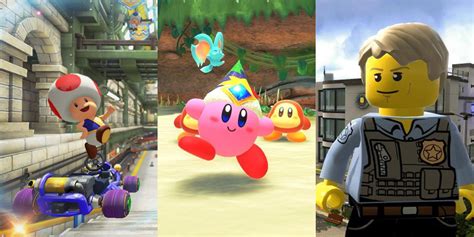
Navigating the Digital Playground: Ensuring Safe Online Gaming for Kids
Online multiplayer games offer incredible opportunities for kids to socialize, collaborate, and develop problem-solving skills. However, they also come with potential risks, from exposure to inappropriate content and cyberbullying to interactions with strangers. As parents, understanding how to choose and manage these games is crucial for creating a safe digital environment for your children.
Understanding the Potential Risks
Before diving into specific game choices, it’s important to be aware of the common hazards associated with online multiplayer gaming:
- Inappropriate Content: Other players might use offensive language or share mature content.
- Stranger Danger: Kids can interact with unknown adults or older children who may not have their best interests at heart.
- Cyberbullying: Children can be targets or perpetrators of online harassment.
- In-Game Purchases: Many games offer microtransactions that can lead to unexpected costs.
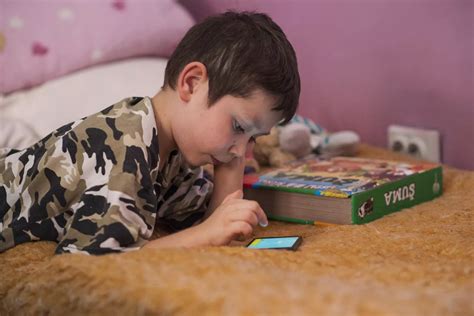
- Addiction and Screen Time: The immersive nature of games can sometimes lead to excessive play, affecting other aspects of life.
Key Features to Look for in Safe Games
Age Appropriateness and Content Ratings
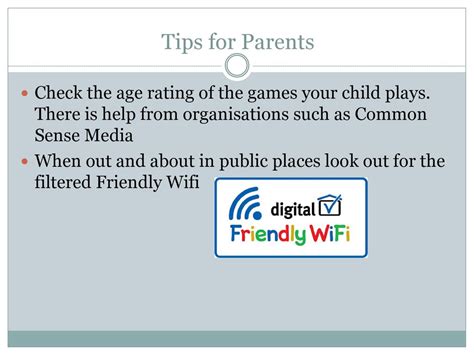
Always check the Entertainment Software Rating Board (ESRB) or PEGI ratings. These ratings provide guidelines on age appropriateness and content warnings (e.g., violence, language, crude humor). For younger children, look for titles rated E (Everyone) or EC (Early Childhood).
Communication Features
Consider how players communicate within the game. Does it have voice chat, text chat, or only pre-set phrases (emotes)? Games with limited or no free-form communication are generally safer for younger children. If a game features chat, ensure there are robust moderation tools or options to disable it.
Privacy Settings and Reporting Tools
Good games for kids offer comprehensive privacy settings that allow you to control who your child can interact with, whether their profile is public, and what information is shared. Look for clear and easy-to-use reporting tools for inappropriate behavior.
Community Reputation and Moderation
Research the game’s community. Are there stories of frequent harassment or poor moderation? Well-moderated communities with active staff dedicated to maintaining a positive environment are preferable.
Leveraging Parental Controls and Settings
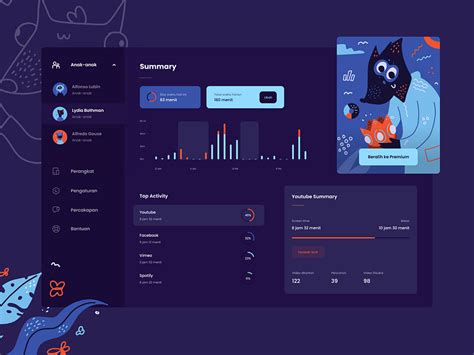
Most gaming consoles (PlayStation, Xbox, Nintendo Switch), PC platforms (Steam, Epic Games), and even mobile devices offer parental control features. These can include:
- Spending Limits: Prevent unauthorized in-game purchases.
- Time Limits: Control how long your child can play daily or weekly.
- Communication Restrictions: Disable or limit chat functions.
- Content Filters: Block access to games above a certain age rating.
- Friend Requests: Restrict who can send or receive friend requests.
Familiarize yourself with these settings on every platform your child uses and configure them to suit your family’s rules.
Open Communication and Active Involvement
Parental controls are a tool, but open communication is your strongest defense. Talk to your kids about online safety. Teach them:
- The “Never Share” Rule: Never give out personal information (real name, address, school, phone number, passwords) to anyone online.
- The “Tell a Grown-Up” Rule: If something makes them uncomfortable, they should immediately tell a trusted adult.
- The “Think Before You Type” Rule: Remind them that words can hurt, even online, and that what they post can be permanent.
- Online Etiquette: Encourage respectful behavior towards other players.
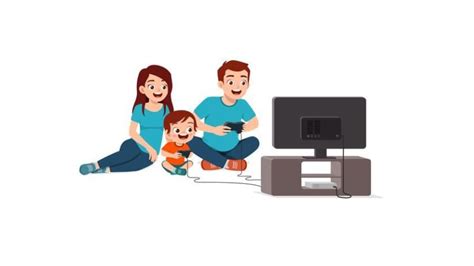
Consider playing games with your children. This not only allows you to monitor their interactions but also provides a great opportunity for bonding and understanding their digital world firsthand.

Conclusion
Choosing safe online multiplayer games for your kids doesn’t have to be a daunting task. By researching game ratings, understanding communication features, utilizing parental controls, and maintaining open lines of communication with your children, you can empower them to enjoy the vast and exciting world of online gaming safely and responsibly. Your active involvement is the best way to ensure their positive experience in the digital playground.