Sustainable indie monetization beyond launch?
The Post-Launch Quandary for Indie Developers
For many independent game developers, the initial launch period is a whirlwind of anticipation, marketing, and the hope of hitting it big. However, the true test of an indie studio’s longevity often begins *after* the launch honeymoon fades. Sustaining an income stream beyond the initial sales spike is a critical challenge, requiring foresight, creativity, and a deep understanding of your player base. Without a strategy for long-term monetization, even successful initial launches can lead to studios struggling to fund their next project or maintain their current one.
The goal isn’t just to make money, but to build a stable ecosystem that supports ongoing development, community engagement, and future ventures. This shift from a ‘one-off’ product mentality to a ‘game as a service’ or ‘ongoing experience’ approach is often key to achieving true sustainability.
Diversifying Revenue Streams
Relying solely on upfront game purchases can be a precarious strategy. Smart indie developers look to diversify their income sources, ensuring multiple channels contribute to their financial health.

Downloadable Content (DLC) and Expansions: Offering new levels, characters, stories, or features post-launch can breathe new life into a game. Well-received DLC not only generates direct revenue but also re-engages existing players and can attract new ones who might have missed the initial launch.
Merchandise and Physical Goods: For games with strong art styles, memorable characters, or compelling lore, physical merchandise can be a lucrative avenue. T-shirts, art books, plushies, and collector’s editions deepen fan engagement while adding another revenue stream. This approach often works best when integrated with an existing fanbase.
Subscription Models and Patreon: While full-blown MMO-style subscriptions are rare for indies, models like Patreon allow dedicated fans to support developers directly in exchange for exclusive content, early access, or behind-the-scenes glimpses. Some single-player games can even introduce a ‘season pass’ for future content without becoming a live service game.
Community-Driven Longevity
A thriving community is an indie developer’s most valuable asset. Engaged players are not only repeat customers but also powerful advocates for your game.
Ongoing Updates and Seasonal Events: Regular content updates, even small ones, keep a game feeling fresh. Seasonal events (e.g., Halloween, Christmas) can offer limited-time content, cosmetic items, or gameplay twists that encourage players to return. This can be monetized through battle passes or direct cosmetic sales, if implemented thoughtfully and without predatory practices.
User-Generated Content (UGC) and Modding Support: Empowering players to create their own content through robust modding tools or in-game editors can exponentially extend a game’s lifespan. While not a direct monetization strategy for the developer, a vibrant UGC scene keeps the game relevant and reduces the burden of constant new content creation on the studio. Monetization can come indirectly from increased sales due to a longer-lasting, more dynamic game.
Expanding Reach and Platform Porting
Broadening your audience base is another key to long-term financial health.
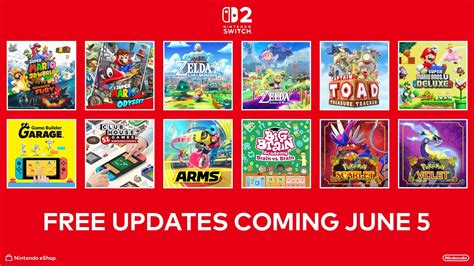
Porting to New Platforms: Releasing your game on additional platforms (e.g., Switch, PlayStation, Xbox, mobile, Epic Games Store) can open up entirely new markets and provide significant revenue bumps long after the initial PC launch. Each new platform launch can feel like a mini-relaunch, bringing fresh marketing opportunities and a new wave of sales.
Regional Localization: Translating your game into multiple languages can unlock access to vast international markets. A game that resonates culturally and linguistically in non-English speaking territories can see a substantial increase in sales.

Creative Monetization and Partnerships
Sometimes, sustainable monetization comes from thinking outside the traditional game sales box.
Bundles and Sales: Participating in curated bundles, seasonal sales, or charity initiatives can introduce your game to new players at a reduced price point, often leading to increased visibility and subsequent full-price sales or DLC purchases.
Strategic Partnerships and Collaborations: Teaming up with other indie developers, content creators, or even brands can create cross-promotional opportunities and unique monetization avenues. Think crossover content, themed merchandise, or joint marketing campaigns.
Educational or Licensing Opportunities: For games with unique mechanics or artistic merit, there might be opportunities to license elements for educational purposes or even non-game media. This is niche but can provide unexpected revenue.
Conclusion: The Long Game for Indies
Sustainable indie monetization beyond launch is not a singular event but an ongoing process of adaptation, innovation, and relationship building. It requires a developer to shift from simply selling a product to cultivating an experience and a community. By diversifying revenue streams, fostering an engaged player base, strategically expanding reach, and exploring creative partnerships, indie developers can build a resilient business model that supports their passion for game creation for years to come. The long-term success of an indie studio hinges on its ability to evolve with its game, its community, and the ever-changing market.