Struggling with screen time? What are realistic daily game limits?

In an increasingly digital world, parents often find themselves grappling with one of the most persistent modern parenting challenges: managing children’s screen time, particularly when it comes to video games. The allure of virtual worlds is powerful, making it difficult to establish boundaries that feel both fair and effective. The big question on many parents’ minds is, “What are realistic daily game limits?”
Understanding the Challenge of Digital Play
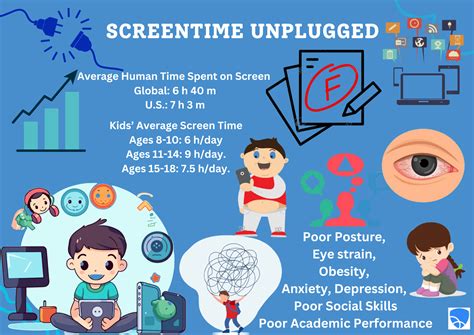
For children, video games offer entertainment, social connection, and even cognitive benefits when played in moderation. However, excessive gaming can interfere with homework, physical activity, sleep, and face-to-face social interactions. Striking the right balance is crucial for a child’s overall development and well-being.

No One-Size-Fits-All Answer: Factors to Consider
There isn’t a universal magic number for screen time because every child and family is unique. Instead, it’s more effective to consider several factors:
- Child’s Age and Developmental Stage: Younger children generally benefit from less screen time, while older children and teens might have more complex digital needs, including educational or social aspects.
- Type of Content: Is it an active, educational game, or passive entertainment? The quality of screen time matters as much as the quantity.
- Other Daily Activities: Is your child getting enough physical activity, sleep, homework done, and real-world social interaction? Gaming time should complement, not replace, these essential activities.
- Child’s Temperament and Interests: Some children are naturally more drawn to gaming than others. Understanding your child’s personality can help tailor limits.
- Family Values: What are your family’s overall priorities regarding technology, education, and recreation?
Realistic Daily Game Limit Suggestions by Age Group
While acknowledging the individual nature of screen time, here are some general guidelines many experts and pediatricians suggest. These are starting points for discussion, not rigid rules:
Preschoolers (Ages 2-5)
For this age group, the American Academy of Pediatrics (AAP) recommends very limited screen time, focusing on high-quality, interactive content when used. For gaming, 15-30 minutes per day, ideally with a parent, is often a good cap. The emphasis should be on creative and physical play.
School-Aged Children (Ages 6-12)
As children enter school, their capacity for understanding rules and managing time grows. However, balance remains key. Many experts suggest aiming for 1-1.5 hours of recreational screen time per day, including gaming. This time might be split, or be longer on weekends (e.g., 2 hours), but should always be balanced with other activities.
Teenagers (Ages 13-18)
Teens use screens for school, social connection, and entertainment, making limits more complex. For recreational gaming, a range of 1.5-2 hours on weekdays and up to 3 hours on weekends is often considered reasonable, depending on individual circumstances and responsibilities. The focus shifts more towards self-regulation and open communication about how gaming fits into their lives.

Strategies for Implementing and Maintaining Limits
Setting limits is one thing; enforcing them consistently is another. Here are practical strategies:
- Communicate and Collaborate: Involve your children in the discussion about limits. When they feel part of the decision-making, they’re more likely to cooperate.
- Use a Timer: A simple kitchen timer or a built-in game timer can help children visually track their remaining time, reducing arguments.
- Create a Schedule: Integrate screen time into a daily or weekly schedule, clearly defining when and for how long gaming is allowed.
- Tech-Free Zones and Times: Designate certain areas (e.g., bedrooms, dining table) or times (e.g., meal times, an hour before bed) as completely tech-free.
- Offer Engaging Alternatives: Ensure there are plenty of enticing non-screen activities available, such as board games, outdoor play, reading, or creative arts.
- Lead by Example: Children observe their parents. Be mindful of your own screen habits and demonstrate healthy digital boundaries.
- Utilize Parental Control Tools: Many devices and games offer built-in parental controls to set time limits and restrict content, which can be a valuable aid.

When to Seek Professional Guidance
If gaming consistently leads to significant family conflict, impacts your child’s academic performance, sleep, mood, or social life, or if your child shows signs of withdrawal or extreme irritability when unable to play, it might be time to seek advice from a pediatrician or child psychologist. These could be indicators of problematic gaming behavior.
Conclusion: Finding Your Family’s Balance
Ultimately, establishing realistic daily game limits is an ongoing process of communication, observation, and adjustment. The goal isn’t to eliminate screens entirely, but to foster a healthy, balanced relationship with technology. By setting clear boundaries, offering alternatives, and leading by example, parents can guide their children toward a fulfilling life that embraces both the digital and real worlds.