Strategies to avoid impulse in-game purchases by young players?
Understanding the Lure of In-Game Purchases
The world of online gaming has evolved dramatically, and with it, the prevalence of in-game purchases. From cosmetic skins and power-ups to loot boxes and battle passes, these microtransactions are a significant part of many games young players enjoy. While they can enhance the gaming experience, they are often designed to encourage impulse buying, sometimes leveraging psychological tactics that can be hard for children and teenagers to resist. For parents, understanding why these purchases are so tempting is the first step toward effective management.
Many games expertly blur the lines between virtual currency and real money, making it easy for young players to lose track of actual spending. Limited-time offers, daily rewards tied to purchases, and the fear of missing out (FOMO) on exclusive content all contribute to a high-pressure environment that can lead to impulsive decisions. Protecting young players from these spending traps requires a proactive, multi-faceted approach.
Setting Financial Boundaries and Expectations
1. Open Communication About Money
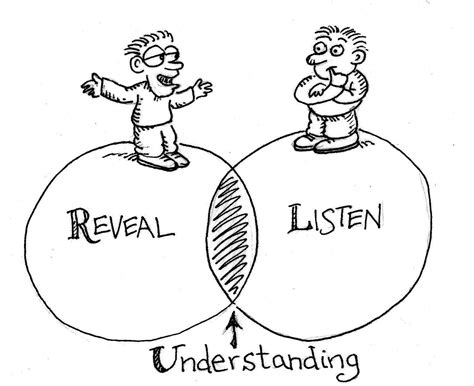
The most powerful tool a parent has is open dialogue. Talk to your children about the value of money, both real and virtual. Explain that the items they see in games cost actual money, which is earned through work. Discuss budgeting and the concept of saving for desired items rather than buying on impulse. Help them understand that digital items, while fun, do not hold the same long-term value as real-world assets.
2. Implement a “Gaming Allowance”
Consider giving your child a fixed monthly or weekly allowance specifically for in-game purchases. This teaches them to budget, prioritize, and make informed choices within a defined limit. If they spend it all quickly, they learn the natural consequence of having no more funds until the next allowance. This approach fosters financial responsibility and delayed gratification.

Leveraging Parental Control Features
3. Enable Password Protection for Purchases
Most gaming consoles, app stores (iOS, Android), and PC game launchers (Steam, Epic Games) offer robust parental control features. One of the most crucial is the ability to require a password for every purchase. Ensure this setting is enabled and that the password is known only to you. This acts as a critical barrier against unauthorized or impulse spending.
4. Disable In-App Purchases Entirely
For younger children or those prone to severe impulse buying, consider disabling in-app purchases altogether on their devices. While more restrictive, it eliminates the possibility of accidental or unauthorized spending. You can selectively enable it for specific, pre-approved purchases under your supervision.

Fostering Critical Thinking and Delayed Gratification
5. Discuss Marketing Tactics
Educate your children about the marketing strategies games employ. Explain concepts like limited-time offers, psychological pricing (e.g., $4.99 instead of $5.00), and the social pressure of having the latest skin or item. By understanding these tactics, they can approach in-game promotions with a more critical and discerning eye.
6. Encourage Waiting Before Buying
Instill the habit of waiting a day or two before making any in-game purchase. This cooling-off period can help differentiate between a genuine desire and a fleeting impulse. Often, the urge to buy passes, or they might realize the item isn’t as essential as they initially thought.

Monitoring and Active Engagement
7. Stay Informed About Their Games
Take an interest in the games your children play. Understand their mechanics, especially concerning monetization. Knowing how a game encourages spending allows you to anticipate potential issues and discuss them proactively. Ask questions about what they enjoy, what items they wish for, and why.
8. Play Together
If possible, play games with your children. This provides first-hand insight into their gaming experience, including how in-game purchases are presented. It also creates a shared activity, fostering an environment where they feel comfortable discussing their gaming desires and challenges with you.

Conclusion
Navigating the landscape of in-game purchases requires a balanced approach that combines technological safeguards with consistent education and open communication. By empowering young players with financial literacy, critical thinking skills, and clear boundaries, parents can help them enjoy their gaming experiences without falling victim to impulse spending. The goal is not to eliminate fun, but to foster responsible digital citizenship and healthy financial habits that will serve them well beyond the gaming world.