Spotting predatory F2P gacha: What red flags should players watch for?

The Allure and Peril of Free-to-Play Gacha
Free-to-play (F2P) games, especially those incorporating gacha mechanics, have become a dominant force in the gaming industry. Their initial zero cost of entry makes them incredibly appealing, offering hours of entertainment without an upfront purchase. However, beneath the surface of engaging gameplay and vibrant characters often lies a complex monetization strategy, where the gacha system (inspired by Japanese capsule toy machines) can quickly become a financial trap.
Gacha mechanics involve players spending in-game currency (often purchased with real money) for a chance to receive a random item, character, or upgrade of varying rarity. While not inherently evil, the design choices around these systems can easily cross the line from sustainable business model to outright predatory, exploiting player psychology and addiction. Recognizing these red flags is key to enjoying F2P gacha games responsibly without falling victim to manipulative practices.
Key Red Flags of Predatory Gacha Games
1. Extremely Low Drop Rates and Unforgiving Pity Systems
One of the most obvious indicators of a predatory gacha is abysmal drop rates for desirable items or characters. If the chances of obtaining a top-tier reward are consistently below 1% (or even fractions of a percent) without a robust and accessible ‘pity timer’ or ‘spark’ system, it’s a warning sign. A ‘pity timer’ guarantees a rare item after a certain number of failed attempts, while ‘spark’ allows players to directly purchase a specific unit after enough pulls. Predatory games often have a very high pity threshold, or worse, reset the pity counter for every new banner, forcing players to spend even more to hit the guaranteed reward.

2. Aggressive Limited-Time Offers (LTOs) and FOMO Tactics
Is the game constantly bombarding you with pop-up ads for time-limited bundles and special offers? Do these offers often disappear after a short window, creating a sense of urgency and fear of missing out (FOMO)? Predatory games heavily leverage FOMO by introducing powerful new characters or items that are only available for a very short period, making players feel compelled to spend now or risk being at a disadvantage. These bundles are often designed to look like a ‘great deal’ but are still expensive and push players towards impulsive purchases.
3. Rapid and Constant Power Creep
Power creep refers to the phenomenon where newly released characters or items are significantly more powerful than existing ones, quickly rendering previous investments obsolete. If a game consistently introduces new units that make your meticulously acquired ‘meta’ team irrelevant within weeks or months, it’s a sign that the developers are trying to force players to continually open their wallets to stay competitive. This devalues past spending and discourages long-term investment in specific units.
4. Unrewarding Grind & Energy Systems Designed to Frustrate
Many F2P games include a grind, which is an expected part of the experience. However, predatory games design their core gameplay loop to be exceptionally slow, tedious, or gate progress behind artificial barriers like energy systems that deplete quickly. The goal is to make the grind so unbearable that players feel compelled to purchase ‘quality of life’ packs, energy refills, or resource bundles to skip the frustrating parts and progress at a reasonable pace. If playing without spending feels like a punishment rather than a challenge, be wary.

5. Confusing UI/UX and Multiple Obscure Currencies
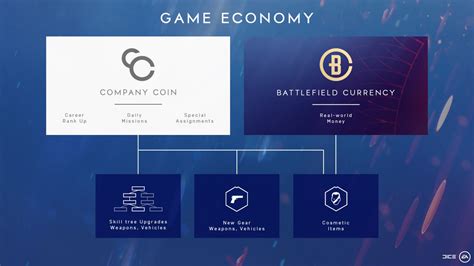
Does the game feature a dizzying array of different in-game currencies, each with specific uses and conversion rates that are hard to track? Are purchase buttons strategically placed to encourage accidental taps? Predatory games often use overly complex user interfaces and multiple obscure currencies to obfuscate the real-money value of purchases, making it harder for players to understand exactly how much they are spending or what they are getting in return. This lack of transparency can lead to unintentional overspending.
6. Emotional Manipulation and Exploitation of Vulnerabilities
Perhaps the most insidious red flag is a game that directly or indirectly preys on player vulnerabilities. This can manifest as leaderboards that highlight top spenders, social pressure within guilds or communities to keep up, or even narrative elements that link character strength to real-world spending. Games that foster a sense of inadequacy or guilt for not spending enough, or those that feature highly addictive loop designs, are particularly dangerous. If a game feels like it’s trying to get you addicted rather than entertained, it’s time to step back.
Protecting Yourself as a Player
The best defense against predatory gacha is awareness and self-control. Before investing time or money, research a game’s monetization model. Read reviews, check community forums, and watch gameplay videos. Set strict budgets for yourself and stick to them. Understand that the joy of gacha is in the chase, but also recognize when the chase becomes an endless, expensive treadmill. Remember, a truly player-friendly F2P game will offer a rewarding experience even to those who choose not to spend, or spend minimally, while still providing value for those who do.