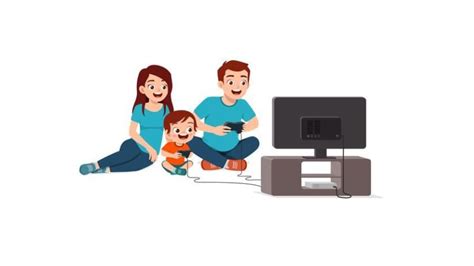
Practical tips: Manage kids’ screen time for gaming on school nights?

The allure of video games can be incredibly strong, especially for children. When school nights roll around, balancing homework, extracurriculars, sleep, and the desire to game becomes a significant challenge for many families. It’s a modern parenting dilemma: how do you allow for fun without compromising crucial responsibilities?
The Balancing Act: Why Screen Time Management Matters
Unchecked gaming on school nights can have a ripple effect on a child’s well-being. It often leads to late bedtimes, insufficient sleep, difficulty concentrating in school, and a decline in academic performance. Beyond school, excessive screen time can reduce opportunities for physical activity, face-to-face social interaction, and engagement in other creative or developmental hobbies. Establishing clear boundaries isn’t about denying fun, but about fostering a healthy, balanced lifestyle that prioritizes growth and responsibility.
A proactive approach helps kids understand the value of time management and self-regulation. By involving them in the process, parents can teach invaluable life skills that extend far beyond screen time.

Establishing Clear Boundaries and Routines
Communicate and Collaborate
Start by having an open, honest conversation with your children. Explain why limits are necessary, focusing on their health, sleep, and school performance. Involve them in setting the rules, which gives them a sense of ownership and makes them more likely to comply.
Create a Schedule
Structure is key. Designate specific times for gaming, perhaps after homework and dinner are completed, and before bedtime routines begin. A visual schedule can be particularly helpful for younger children. Make it clear: no gaming until schoolwork is done and chores are finished.

Set Specific Time Limits
Decide on a reasonable amount of gaming time for school nights – perhaps 30 to 60 minutes, depending on the child’s age and workload. Use timers (kitchen timers, phone alarms, or in-game timers if available) to help kids stick to their allotted time. When the timer goes off, the game goes off.
Implement “Screen-Free” Zones and Times
Establish rules like no screens at the dinner table, and no gaming in bedrooms after a certain hour. A ‘wind-down’ period of at least an hour before bed, free from screens, is crucial for promoting better sleep.
Utilizing Technology and Promoting Offline Fun
Leverage Parental Control Tools
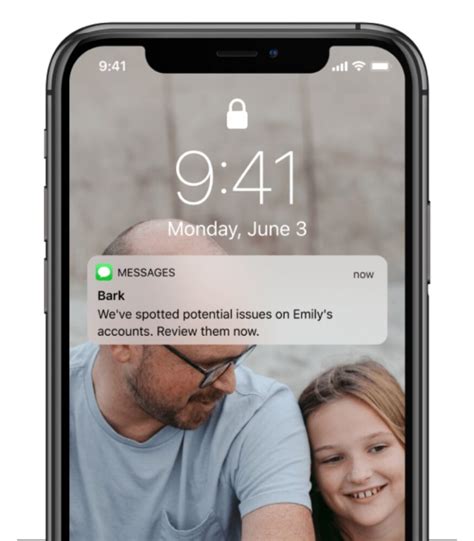
Most gaming consoles, computers, and even Wi-Fi routers offer built-in parental controls. These tools can help enforce time limits, restrict access to certain games or content, and even pause internet access for specific devices. Familiarize yourself with these settings and use them as an ally.
Encourage Alternative Activities
Actively promote and provide opportunities for non-screen activities. Stock up on books, board games, art supplies, and sports equipment. Plan family activities like walks, bike rides, or cooking together. When children have engaging alternatives, the pull of gaming often lessens.
Lead by Example
Children are keen observers. Be mindful of your own screen habits. Show them that there’s a rich life beyond screens by engaging in hobbies, reading, and spending quality time with family without digital distractions.
The Key to Success: Consistency and Flexibility
Once rules are established, consistency is paramount. Children will test boundaries, and it’s essential to remain firm but fair. Giving in occasionally sends mixed messages and makes future enforcement more difficult.
However, also recognize the need for flexibility. There might be special occasions or school holidays where rules can be temporarily relaxed. Discuss these exceptions beforehand to avoid misunderstandings. As children grow, their needs and responsibilities change, so be prepared to review and adjust your screen time policy periodically.

Finding the Right Balance
Managing kids’ screen time for gaming on school nights doesn’t have to be a battle. By implementing clear rules, maintaining open communication, leveraging available tools, and encouraging a variety of interests, you can guide your children toward a balanced and healthy relationship with technology. The goal is not to eliminate gaming, but to ensure it complements, rather than detracts from, their overall development and well-being.