Practical tips for setting daily gaming limits and choosing age-appropriate titles?

Navigating the Digital Playground: Setting Limits and Choosing Wisely
In today’s digital age, video games are an integral part of many children’s lives, offering entertainment, social interaction, and skill development. However, like any activity, moderation and appropriate content are key. For parents, understanding how to set healthy gaming limits and select age-appropriate titles can be a challenging but crucial task. This article offers practical tips to help you guide your children through the world of gaming responsibly.
Establishing Healthy Daily Gaming Limits
Setting boundaries is fundamental to ensuring a balanced lifestyle. Clear, consistent limits help children understand expectations and prevent gaming from overwhelming other important activities like schoolwork, physical play, and family time.
1. Collaborate and Communicate
Involve your children in the discussion about gaming limits. When kids feel they have a voice, they are more likely to respect the rules. Explain the ‘why’ behind the limits – for their health, sleep, and overall well-being. Agree on a daily or weekly time allowance that everyone can commit to.

2. Use Tools and Timers
Many gaming consoles, PCs, and mobile devices have built-in parental controls that allow you to set daily time limits, enforce curfews, and even schedule breaks. Utilize these features. For younger children, a simple kitchen timer or visual cue can also be effective in signaling when gaming time is up.
3. Consistency is Key
Once limits are established, stick to them. Inconsistency can lead to frustration and make it harder for children to adhere to the rules in the long run. Be prepared for occasional pushback, but calmly reinforce the agreed-upon boundaries.
4. Encourage Other Activities
Ensure gaming is just one part of a diverse range of activities. Encourage participation in sports, creative arts, reading, and outdoor play. A rich variety of interests naturally helps balance screen time with other enriching experiences.
Choosing Age-Appropriate Game Titles
The vast universe of video games offers experiences for all ages, but not all content is suitable for every child. Making informed choices about game titles is essential for protecting children from potentially disturbing or inappropriate material.
1. Understand Rating Systems
Familiarize yourself with established rating systems like the ESRB (Entertainment Software Rating Board) in North America, PEGI (Pan European Game Information) in Europe, or similar systems in your region. These ratings provide guidance on age suitability and content descriptors (e.g., violence, language, crude humor). Always check the rating before purchasing or allowing a new game.

2. Research Beyond the Box
While ratings are a good starting point, they don’t tell the whole story. Look up reviews from reputable gaming websites, watch gameplay videos on platforms like YouTube (with caution, as comments can be unfiltered), and read parent forums. This will give you a better sense of the actual gameplay, themes, and potential challenges within a game.
3. Play Together (or Watch Them Play)
One of the best ways to understand a game is to experience it yourself. Play alongside your child or simply sit and watch them play. This not only gives you insight into the game’s content and complexity but also provides an opportunity for shared activity and conversation about what they’re experiencing.

4. Consider Online Interactions
Many games feature online multiplayer modes where children can interact with strangers. Be aware of the communication features (voice chat, text chat) and consider disabling them or monitoring interactions, especially for younger players. Discuss online safety and the importance of never sharing personal information.
Leveraging Parental Control Tools
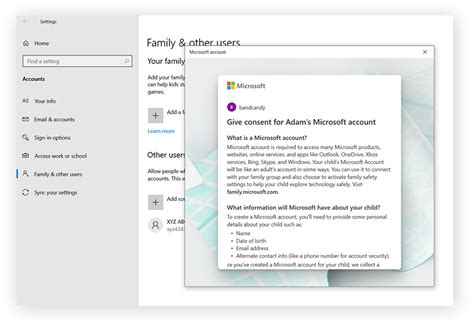
Modern gaming platforms offer robust parental control settings that go beyond just time limits. These tools can restrict access to certain game ratings, block in-game purchases, manage friend requests, and filter online content. Take the time to explore and configure these settings on your family’s consoles, computers, and mobile devices to create a safe gaming environment tailored to your child’s age and maturity.
Conclusion
Empowering children to enjoy video games responsibly involves a combination of clear boundaries, open communication, and informed choices. By actively engaging in setting limits, understanding game content, and utilizing available tools, parents can foster a healthy and enriching gaming experience that contributes positively to their children’s development, rather than detracting from it. Remember, the goal is balance and safety, allowing children to explore digital worlds while still thriving in the real one.