Practical tips for choosing age-appropriate games using official ratings?

Navigating the Digital Playground: Why Official Game Ratings Matter
In today’s digital age, video games are an integral part of many children’s lives. While they offer numerous benefits, from cognitive development to social interaction, ensuring your child plays age-appropriate content is paramount. This can feel like a daunting task for parents unfamiliar with the gaming landscape, but thankfully, official rating systems are here to help. These systems act as invaluable guides, offering clear indicators of a game’s content and suitability for different age groups.
Understanding and utilizing these ratings effectively empowers you to make informed decisions, fostering a positive and safe gaming environment for your family. Let’s delve into how you can practically apply these tools to choose the best games for your kids.
Understanding the Major Rating Systems: ESRB and PEGI
Globally, two of the most prominent and trusted video game rating systems are the Entertainment Software Rating Board (ESRB) for North America and the Pan European Game Information (PEGI) for Europe and other regions. While their specific labels and descriptors vary, their core mission is identical: to provide parents with objective information about game content.
- ESRB (Entertainment Software Rating Board): Primarily used in the US and Canada, ESRB ratings consist of an age category (e.g., E for Everyone, T for Teen, M for Mature) and content descriptors (e.g., Violence, Blood, Language, Sexual Themes) that explain why a game received a particular rating.
- PEGI (Pan European Game Information): Predominantly used across Europe, PEGI ratings also feature age categories (e.g., PEGI 3, PEGI 7, PEGI 12, PEGI 16, PEGI 18) and content descriptors (e.g., Violence, Bad Language, Fear, Drugs, Sex) that indicate the type of content present in the game.
Familiarizing yourself with the system prevalent in your region is the first crucial step. These ratings are determined by trained professionals who review game content against strict guidelines, offering an unbiased assessment.
Decoding the Labels: Age Categories and Content Descriptors
The real power of these systems lies in their detailed information. Don’t just glance at the age recommendation; take a moment to understand what it truly signifies:
- Age Categories: These are not strict legal age limits but rather guidelines indicating the general suitability of content. A ‘T for Teen’ game, for instance, might contain mild violence or suggestive themes suitable for ages 13 and up, while an ‘M for Mature’ game is intended for ages 17 and up due to strong violence, intense language, or sexual content. Similarly, a ‘PEGI 12’ game is suitable for children aged 12 and over.
- Content Descriptors: These are arguably even more important than the age rating alone. They provide specific details about the type of content that influenced the rating. For example, two games might both be rated ‘T for Teen,’ but one might have ‘Fantasy Violence’ and ‘Mild Language,’ while another has ‘Suggestive Themes’ and ‘Use of Alcohol.’ These descriptors allow you to tailor your choice to your child’s specific sensitivities and your family’s values.
Always look for both the age category and the accompanying content descriptors on the game packaging or digital store page. This comprehensive view ensures you’re aware of all relevant elements.

Beyond the Rating: What Else to Consider
While official ratings are a fantastic starting point, they shouldn’t be your only consideration. A child’s individual maturity level, your family’s values, and the context of play also play significant roles.
- Individual Maturity: One 10-year-old might handle certain content differently than another. Consider your child’s temperament, sensitivity, and ability to distinguish between fantasy and reality.
- Online Interactions: Many modern games include online multiplayer components. Ratings systems primarily focus on the game’s inherent content, not necessarily player-generated content or interactions with strangers online. Be aware of communication features (voice chat, text chat) and consider parental controls or monitoring for these aspects.
- Co-op Play and Family Involvement: Playing games together can be a great way to bond. If you plan to play with your child, you might feel comfortable with content that you can discuss and contextualize as a family.

Practical Tips for Parents
- Always Check the Rating Label: Make it a habit to look for the ESRB or PEGI rating on physical game boxes or digital storefronts before purchasing or downloading.
- Read the Content Descriptors Carefully: Don’t just stop at the age recommendation. The descriptors give you the ‘why’ behind the rating, which is often more informative.
- Visit Rating Board Websites: ESRB.org and PEGI.info offer searchable databases with detailed explanations for specific games, including summaries of the content that led to the rating.
- Watch Gameplay Videos: If you’re still unsure, a quick search for gameplay videos on platforms like YouTube can give you a better visual understanding of the game’s actual content and tone.
- Talk to Your Kids: Involve your children in the discussion. Ask them what kind of games they are interested in and explain why certain games might not be suitable yet. This fosters open communication.
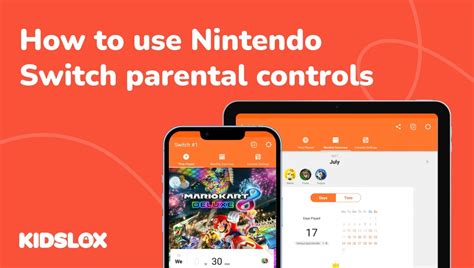
- Utilize Parental Controls: Most gaming consoles, PCs, and mobile devices offer built-in parental controls that allow you to restrict games by rating, manage screen time, and control online interactions.
Empowering Your Gaming Choices
Choosing age-appropriate games doesn’t have to be a guessing game. By consistently using official rating systems like ESRB and PEGI, delving into their content descriptors, and considering your child’s unique maturity, you can confidently navigate the vast world of video games. This proactive approach not only protects your children from unsuitable content but also helps them develop a healthy and enjoyable relationship with gaming, ensuring fun and enriching experiences for the whole family.