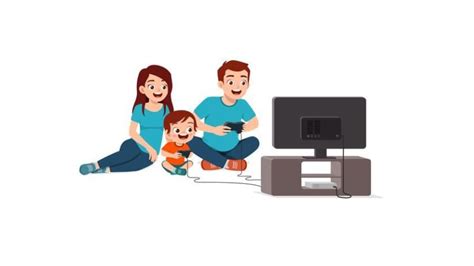
Online game safety tips for kids: what should parents know?

Online gaming has become an integral part of many children’s lives, offering entertainment, skill development, and social interaction. However, this vast digital playground also comes with potential risks, from exposure to inappropriate content and cyberbullying to privacy concerns and excessive screen time. As parents, understanding these dangers and knowing how to mitigate them is crucial for ensuring a safe and positive online experience for your kids.

Foster Open Communication
The most powerful tool in a parent’s arsenal is an open and trusting relationship with their child. Encourage your child to talk openly about their online experiences – who they play with, what games they’re enjoying, and any situations that make them feel uncomfortable or worried. Create a judgment-free zone where they feel safe to disclose issues without fear of punishment, even if it means admitting to a mistake.
Understand Privacy Settings and Personal Information
Many online games feature social elements that allow players to interact with strangers. Teach your child the golden rule: never share personal information online, including their real name, age, address, school, or phone number. Familiarize yourself with the privacy settings of the games and platforms your child uses. Show them how to adjust these settings to restrict who can contact them, see their profile, or join their games. Encourage the use of generic, non-identifying usernames.

Choose Age-Appropriate Games
Not all games are created equal. Always pay attention to age ratings from organizations like ESRB (Entertainment Software Rating Board) or PEGI (Pan European Game Information). These ratings provide valuable insights into a game’s content, including violence, language, and thematic elements. Research games before allowing your child to play them, and if possible, play alongside them to understand the environment firsthand.
Set Clear Time Limits and Boundaries
Unrestricted screen time can negatively impact a child’s physical health, academic performance, and social development. Establish clear, consistent rules for gaming duration, ensuring it doesn’t interfere with homework, sleep, outdoor activities, or family time. Utilize parental control features available on gaming consoles, PCs, and mobile devices to enforce these limits effectively. Encourage a balanced lifestyle that includes diverse activities.

Recognize and Report Cyberbullying or Inappropriate Contact
Unfortunately, gaming communities can sometimes be breeding grounds for cyberbullying, harassment, or even predatory behavior. Educate your child on what constitutes inappropriate behavior, language, or requests from other players. Teach them how to use in-game reporting features to flag problematic users, how to block unwanted contacts, and most importantly, to immediately inform a trusted adult if they encounter anything that makes them feel unsafe or uncomfortable.

Secure Accounts with Strong Passwords
Emphasize the importance of creating unique, strong passwords for all gaming accounts and never sharing them with anyone, even close friends. Encourage the use of a password manager if appropriate for their age. Where available, enable two-factor authentication (2FA) for an extra layer of security, making it much harder for unauthorized users to gain access to their accounts.
Manage In-Game Purchases and Microtransactions
Many “free-to-play” games often rely on in-game purchases (microtransactions) for cosmetics, power-ups, or extra content. These can quickly accumulate significant costs. Discuss these with your child and set clear rules regarding spending. Consider disabling in-app purchases on devices or requiring a password for every transaction to prevent unauthorized spending and teach responsible financial habits.
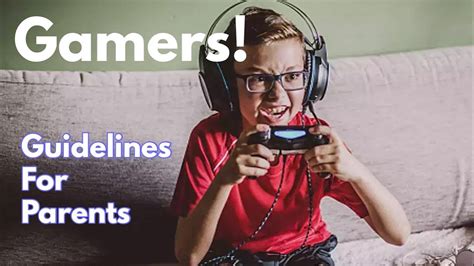
The Parent’s Role: Be Involved and Informed
Ultimately, your active involvement is the best safety measure. Play games with your children, understand the platforms they use, and stay informed about the latest online trends and risks. Regular check-ins and an open-door policy for discussions about their online world will empower them to make safer choices and seek help when needed.
Conclusion
Navigating the world of online gaming with kids requires a proactive and informed approach. By fostering open communication, understanding game settings, setting boundaries, and empowering your children with the knowledge to protect themselves, you can help them enjoy the exciting and social aspects of online games while minimizing the potential dangers. Your guidance is key to creating a safe and enriching digital environment for your child.