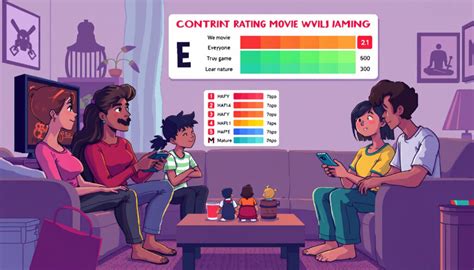


Managing in-game purchases: How to avoid unexpected gaming costs?

For many parents, video games are a source of joy and entertainment for their children, offering everything from creative outlets to social interaction. However, the world of modern gaming often comes with a hidden financial layer: in-game purchases. What might seem like a small, one-time expenditure can quickly snowball into significant, unexpected costs if not properly managed. Understanding how these purchases work and implementing preventative measures is crucial for protecting your family’s budget and teaching responsible financial habits.
Understanding the Lure of In-Game Purchases
In-game purchases, often referred to as microtransactions, are a staple of many popular games today. These can range from cosmetic items like character skins and emotes, which offer no gameplay advantage, to functional items such as extra lives, power-ups, or even new levels and characters. Games often use psychological design tactics to encourage these purchases, such as limited-time offers, virtual currencies, and ‘loot boxes’ that offer randomized rewards, creating a powerful incentive for players to spend.

The ubiquity of digital storefronts and linked payment methods makes these transactions incredibly easy to complete, sometimes with just a few clicks. Children, unaware of the real-world financial implications of virtual currency or an ‘X-amount for Y-gems’ offer, can easily make purchases without fully grasping the cost. This often leads to shock for parents when bank statements reveal unexpected charges.
Setting Up Robust Parental Controls
The most effective defense against accidental or unauthorized in-game spending is to utilize the parental control features offered by gaming platforms and app stores. Every major console (PlayStation, Xbox, Nintendo Switch), PC gaming platform (Steam, Epic Games), and mobile operating system (iOS, Android) provides robust options to restrict purchases, require passwords for every transaction, or even block transactions entirely.
Steps to Implement Controls:
- Platform-Specific Settings: Access the settings on your child’s primary gaming console or device. Look for sections related to ‘Family Management,’ ‘Parental Controls,’ or ‘Account Settings.’
- Require Password for Purchases: Ensure that a password (preferably one your child doesn’t know) is required for every single purchase. Do not save payment information for one-click buying.
- Set Spending Limits: Many platforms allow you to set monthly spending limits for child accounts, providing an extra layer of protection.
- Disable In-App Purchases: For mobile devices, you can often completely disable the ability to make in-app purchases through the device’s main settings.

Open Communication and Budgeting
While technical controls are essential, fostering open communication with your children about money and gaming is equally important. Explain what in-game purchases are, how they are funded, and why they can become expensive. Help them understand the value of real money and how it translates to virtual items.
Consider setting a specific gaming budget. This could be a weekly or monthly allowance that your child can use for any desired in-game purchases. This approach teaches them to prioritize, save, and make informed choices, developing critical financial literacy skills. If they want a particular skin or item, they learn to save their budget rather than making impulsive purchases.
Monitoring Accounts and Payment Methods
Regularly check the purchasing history on your gaming accounts or associated payment methods. Many platforms send email notifications for purchases, which can be a good way to stay informed. Consider using a dedicated payment method for online family purchases, such as a prepaid card with a limited balance, to prevent overspending from your primary bank account.
It’s also wise to review which credit cards or payment details are saved on gaming platforms and app stores. Remove any that are not strictly necessary or that you don’t want linked to potential child-initiated purchases.
Beyond the Wallet: Promoting Healthy Gaming Habits
Managing in-game costs isn’t just about money; it’s also about promoting healthy gaming habits and digital citizenship. Encourage your children to enjoy games for their intrinsic value and gameplay, rather than focusing solely on acquiring cosmetic items or progressing through pay-to-win mechanics. Discuss the psychological tactics games use and empower them to recognize and resist the pressure to spend.
Setting time limits for gaming, encouraging breaks, and ensuring a balance with other activities (like outdoor play, reading, and homework) can also reduce the overall exposure and temptation to make in-game purchases. A balanced approach to gaming helps children appreciate the entertainment value without falling prey to its financial pitfalls.

Conclusion
In-game purchases are an integral part of the modern gaming landscape, but they don’t have to be a source of constant financial anxiety for parents. By combining robust parental controls with open communication, clear budgeting, and active monitoring, you can effectively manage these potential costs. Empowering your children with financial literacy and encouraging healthy gaming habits will not only protect your wallet but also equip them with valuable life skills that extend far beyond the virtual world.