Manage kids’ screen time & pick age-appropriate games: Best strategies?
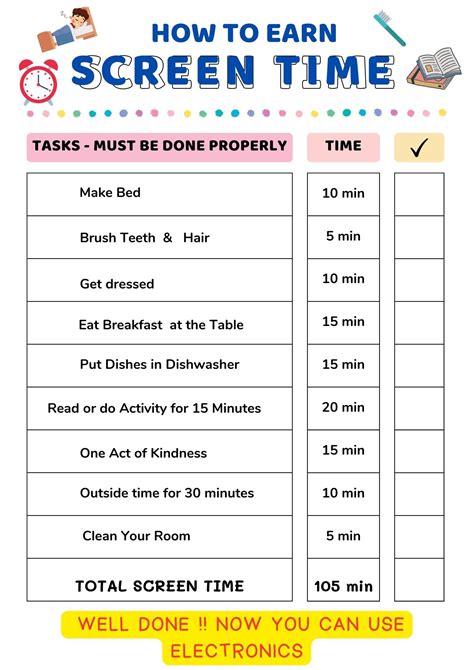
In today’s digitally saturated world, one of the biggest challenges facing parents is how to effectively manage their children’s screen time while ensuring they engage with content that is both safe and beneficial. The omnipresence of tablets, smartphones, and gaming consoles means that navigating the digital playground requires a proactive and informed approach. This article explores practical strategies to help parents strike a healthy balance, fostering responsible digital habits and enriching their children’s development.
The Evolving Digital Landscape for Kids
Gone are the days when “screen time” primarily meant watching TV. Today, it encompasses a vast array of activities from educational apps to online multiplayer games. While digital tools offer incredible opportunities for learning and connection, excessive or unsupervised use can lead to issues such as sleep disruption, reduced physical activity, and exposure to inappropriate content. Understanding this evolving landscape is the first step towards effective management.

Strategies for Managing Screen Time Effectively
Setting boundaries is crucial, but it’s more than just imposing limits; it’s about teaching healthy habits. Here are some key strategies:
- Establish Clear Limits and Expectations: Work with your children to set daily or weekly time limits for different devices. Use timers, and stick to the agreed-upon schedule. Explain the ‘why’ behind these rules to foster understanding, not just compliance.
- Create a Family Media Plan: Develop a written plan that outlines when, where, and how screens can be used. Include device-free zones (e.g., bedrooms, dining table) and specific times (e.g., no screens an hour before bedtime). The American Academy of Pediatrics offers excellent templates for this.
- Encourage Alternative Activities: Balance screen time with ample opportunities for outdoor play, reading, creative arts, and face-to-face social interaction. Make these alternatives appealing and accessible.
- Lead by Example: Children are keen observers. Model responsible tech use by putting down your phone during family time and engaging in non-screen activities yourself.

Picking Age-Appropriate and Beneficial Games
Once screen time limits are in place, the next challenge is ensuring the content consumed is suitable. Not all games are created equal, and what’s appropriate for a teenager is certainly not for a toddler.
- Research Game Ratings (ESRB, PEGI): Organizations like the Entertainment Software Rating Board (ESRB) in North America and Pan European Game Information (PEGI) in Europe provide age recommendations and content descriptors. These are invaluable first stops for understanding a game’s suitability.
- Play Games With Your Kids: The best way to know if a game is appropriate is to experience it yourself. This not only gives you insight into the content but also creates a bonding opportunity.
- Focus on Educational and Creative Value: Look for games that promote problem-solving, creativity, strategic thinking, or learning new skills. Many apps and games are designed to be both fun and educational.
- Check Reviews and Community Feedback: Read reviews from other parents and reputable gaming sites. Look for discussions in parenting forums about specific games.
- Consider the ‘Why’: Ask yourself what your child gains from playing this particular game. Is it purely entertainment, or does it offer developmental benefits?

The Balancing Act: Key to Digital Wellness
The goal isn’t to eliminate screens, but to integrate them thoughtfully into a child’s life. A balanced approach means recognizing the potential of digital tools while mitigating their risks. It involves ongoing communication with your children about their online experiences, teaching them critical thinking, and fostering an environment where they feel comfortable sharing concerns.

Conclusion
Managing kids’ screen time and selecting age-appropriate games is an ongoing journey that requires patience, consistency, and adaptability. By implementing clear rules, encouraging diverse activities, and actively engaging with their digital world, parents can empower their children to become responsible and discerning digital citizens. Remember, it’s about guiding them towards a healthy relationship with technology, not just restricting access.