Indie game: How to get first 100 Steam wishlists?
Why Your First 100 Steam Wishlists Matter
For any indie game developer, the journey to launch on Steam can feel like an uphill battle for visibility. In a crowded marketplace, gaining traction early on is paramount, and your first 100 Steam wishlists represent a significant milestone. This initial burst of interest isn’t just a vanity metric; it’s a vital indicator of market interest, helps Steam’s algorithm understand your game’s potential audience, and provides crucial momentum for your marketing efforts. Reaching this target signals that your game resonates with at least a small segment of players, giving you confidence and data to build upon.
Optimize Your Steam Page Early
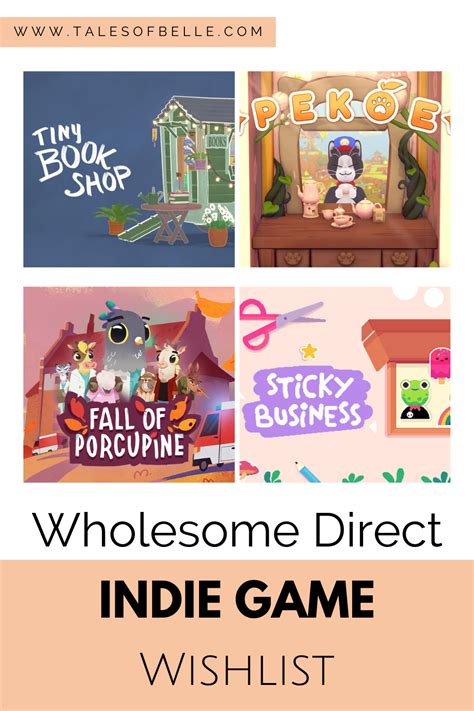
Before you can ask for wishlists, you need a compelling Steam page. This is your game’s storefront, and it must be professional, inviting, and clearly communicate what your game is about. Focus on a captivating ‘Coming Soon’ page with:
- A Strong Capsule Image: This is often the first visual players see. Make it eye-catching and representative.
- Engaging Trailer: A short (60-90 seconds), high-quality gameplay trailer is non-negotiable. Show off your best features and unique selling points.
- Punchy Description: Clearly articulate your game’s genre, unique mechanics, and what makes it fun. Use keywords relevant to your game.
- Stunning Screenshots: Show a variety of in-game moments, highlighting graphics and gameplay.
- Relevant Tags: Choose tags that accurately describe your game’s genre, themes, and mechanics. This is crucial for discoverability.
Your Steam page is your primary call-to-action for wishlists, so invest time in making it shine. Continuously A/B test elements if you can, and always seek feedback on its effectiveness.
Leverage Your Existing Network and Early Community
You don’t need a massive following to start; often, your first wishlists come from people you already know or those who are passionate about game development. Start by sharing your Steam page with:
- Friends and Family: They’re your easiest first supporters.
- Devlogs and Development Communities: If you’ve been sharing your journey on YouTube, blogs, or forums like TIGSource or Itch.io, your existing audience is a prime target. Encourage them to wishlist and share.
- Discord Servers: Create your own Discord or participate actively in game development or genre-specific servers. Share updates and respectfully ask for wishlists when appropriate.
- Social Media (Small Scale): Consistently post updates on Twitter, Reddit (in relevant subreddits like r/gamedev, r/IndieDev, r/PlayMyGame), and other platforms where you have a presence. Tailor your content to each platform’s audience.
Participate in Online Events and Demos
Game festivals and events, even online ones, are excellent opportunities to generate wishlists. Steam often hosts its own developer events, but also look for independent showcases. If your game is ready, a demo can be an incredibly powerful tool. A playable demo allows potential players to experience your game firsthand, dramatically increasing their likelihood to wishlist.
- Steam Next Fest: If your game aligns, preparing a demo for Next Fest can lead to a significant boost in wishlists and visibility.
- Other Digital Showcases: Keep an eye out for smaller indie game festivals and showcases.
- Guerilla Demos: Share your demo with a small group of trusted playtesters. Their feedback is invaluable, and their wishlists are genuine.

Engage with Niche Influencers and Content Creators
You don’t need a mega-streamer to get your first 100 wishlists. Focus on micro-influencers or content creators who genuinely love and cover games in your specific genre. They often have highly engaged, dedicated audiences who trust their recommendations.
- Research: Find YouTubers, Twitch streamers, or bloggers who play games similar to yours.
- Personalized Outreach: Send a polite, personalized email with a brief pitch and a link to your Steam page (and a demo key if available). Explain why you think their audience would enjoy your game.
- Be Patient and Respectful: Not everyone will respond, and that’s okay. Focus on building genuine connections.
Even a small amount of coverage from a relevant creator can direct a targeted stream of interested players to your Steam page.

Consistent & Authentic Engagement
Finally, the most crucial element is consistency and authenticity. Keep updating your community, share your progress (the good and the bad), and engage genuinely with people who show interest. Building a game is a marathon, not a sprint, and marketing is an ongoing process. Every wishlist earned is a direct result of someone being genuinely interested in what you’re creating.
Focus on quality over quantity in your interactions, and remember that every small effort accumulates. Your first 100 wishlists are within reach with a focused strategy and persistent effort. Good luck!