Indie dev: practical tips to avoid scope creep?
Scope creep – the insidious expansion of a project’s features and requirements beyond its original definition – is perhaps the most common and devastating pitfall for indie game developers. What starts as a brilliant, focused idea can quickly balloon into an unmanageable behemoth, leading to burnout, missed deadlines, and ultimately, unfinished games. But it doesn’t have to be this way. With discipline, clear planning, and a few practical strategies, you can keep your project on track and bring your creative vision to life without getting lost in the weeds.
Define Your Core Vision & Stick To It Relentlessly
Before you even write a line of code, clarify what your game *is* and, more importantly, what it *isn’t*. Develop a concise Game Design Document (GDD) or, at the very least, a strong one-page concept brief that outlines the core gameplay loop, target audience, unique selling points, and a Minimum Viable Product (MVP) definition. The MVP is crucial: it’s the absolute smallest set of features that delivers a complete, fun, and shippable game. Everything else is a bonus for a potential post-launch update.
Prioritize Features Ruthlessly
As ideas flow, it’s easy to get excited about every new possibility. This is where ruthless prioritization comes in. Categorize features using a method like MoSCoW (Must-have, Should-have, Could-have, Won’t-have) or simply as ‘Core’ vs. ‘Optional’. Focus 100% on implementing and polishing the ‘Core’ or ‘Must-have’ features first. The ‘Could-haves’ are only considered if you finish all higher priorities ahead of schedule, which rarely happens. Be honest about what truly makes your game fun versus what’s just a cool idea.
Break Down Tasks & Timebox Effectively
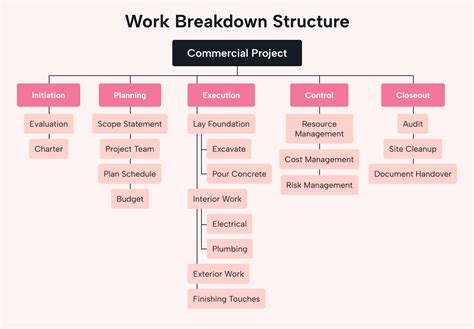
Large, nebulous tasks are breeding grounds for scope creep. Break your project into small, manageable chunks with clear objectives and estimated timeframes. Adopt an agile approach by working in short sprints (e.g., 1-2 weeks), focusing on delivering a specific set of features or fixes within that period. Crucially, timebox development: set strict limits for how long you’ll spend on any given feature. If it’s taking too long, re-evaluate, simplify, or cut it.
Learn to Say “No” (Even to Yourself)
This is perhaps the hardest, yet most vital, skill for an indie dev. New ideas will constantly surface, both from your own mind and from early testers or friends. While feedback is invaluable, every new suggestion must be weighed against your core vision and current scope. Develop the discipline to say “no” to features that don’t directly serve the MVP, or to defer them to a potential post-launch update. Remember, a finished, focused game is infinitely better than an unfinished, bloated one.

Prototype and Test Early & Often
The earlier you get your core mechanics into players’ hands, the better. Prototyping allows you to validate your game’s fun factor without investing too much time in polished assets or complex systems. If a core mechanic isn’t working or isn’t as fun as you thought, you can pivot or scrap it before it becomes too ingrained and expensive to change. Early feedback also helps solidify what features are truly essential versus what’s perceived as necessary.

Utilize Project Management Tools & Schedule Regular Scope Reviews
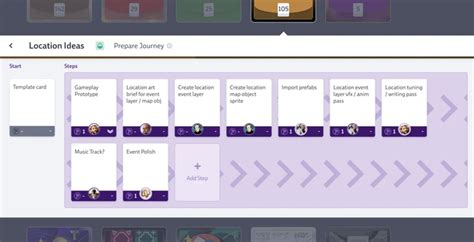
Even for a solo developer, using a Trello board, Asana, or a simple spreadsheet can make a huge difference. Visually track your tasks, their status, and clearly mark what belongs to the MVP versus future updates. Beyond daily tracking, schedule dedicated “scope review” meetings with yourself (or your small team) periodically. Look back at your original GDD/MVP definition and honestly assess if the current development path aligns. If you find yourself drifting, make a conscious decision to either re-scope deliberately (and understand the implications) or course-correct immediately.
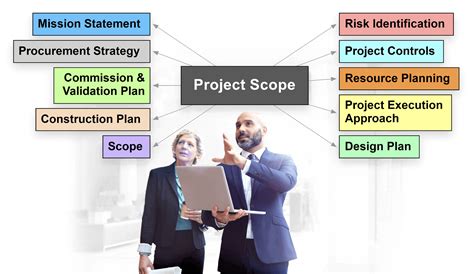
Avoiding scope creep isn’t about stifling creativity; it’s about channeling it effectively towards a shippable product. It requires constant vigilance, self-discipline, and a willingness to make tough choices. By defining your vision, prioritizing features, breaking down tasks, learning to say no, testing early, and continuously reviewing your progress, you’ll significantly increase your chances of successfully launching your indie game and achieving your development dreams.