How to verify legitimate game key reseller deals & avoid scams?
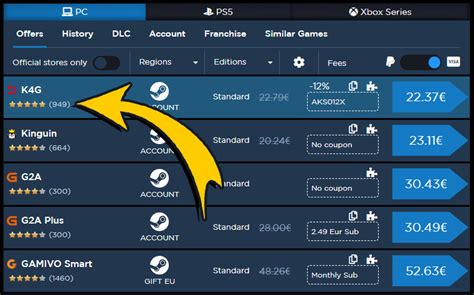
The allure of deeply discounted game keys from third-party resellers is undeniable, offering gamers the chance to expand their libraries without breaking the bank. However, this market is also rife with risks, from invalid keys to outright scams that can leave you out of pocket. Understanding how to discern legitimate deals from fraudulent ones is crucial for a safe and satisfying experience.
Understanding the Game Key Reseller Landscape
The game key reseller market operates in a somewhat grey area. While authorized retailers (like Steam, Epic Games Store, Green Man Gaming, Humble Bundle) obtain keys directly from publishers, many third-party resellers acquire keys through various means, including regional pricing arbitrage, bundle purchases, or even less scrupulous methods like stolen credit cards or illicit sources. The key distinction is between legitimate “grey market” sellers who operate within legal boundaries but outside direct publisher authorization, and outright scammers.

Common Red Flags to Watch Out For
- Unbelievably Low Prices: If a deal seems too good to be true—significantly cheaper than any other reseller or even publisher sales—it often is. Extreme discounts can be a sign of keys obtained through fraudulent means.
- Lack of Transparency: Reputable sites will clearly state their policies, including refunds and customer support. If this information is vague, hidden, or non-existent, proceed with extreme caution.
- Poor Website Design and Grammar: Scam sites often lack professionalism. Look for shoddy design, broken links, grammatical errors, and generic content.
- Limited Payment Options: Be wary if a site only accepts irreversible payment methods like cryptocurrencies or direct bank transfers, especially if it avoids established platforms like PayPal or major credit cards.
- New or Unverified Accounts: For marketplace-style sites, check the seller’s history and reviews. New sellers with no feedback or only generic positive reviews can be suspicious.
How to Verify a Reseller’s Legitimacy
Diligent research is your best defense against scams. Before making any purchase, take these steps:
- Check Online Reviews and Reputation: Look up the reseller on sites like Trustpilot, Reddit (especially gaming subreddits), and consumer review forums. Pay attention to both positive and negative feedback. Are there recurring complaints about invalid keys, poor customer service, or non-delivery?
- Verify Payment Security: Ensure the website uses HTTPS (look for the padlock icon in your browser’s address bar) for secure transactions. Prioritize resellers that offer buyer protection through services like PayPal or major credit card providers.
- Understand Their Refund Policy: A legitimate reseller will have a clear and fair refund policy, especially for non-working keys. Scammers often have vague policies or none at all.
- Research Key Sourcing (If Possible): While harder for grey market sellers, some transparent resellers will briefly explain how they acquire their keys.
- Cross-Reference Prices: Always compare the reseller’s price with other reputable stores and the official platform price. A slight discount is believable; a massive one is suspicious.

Leveraging Community Insights
Gaming communities are invaluable resources. Sites like IsThereAnyDeal often list reputable authorized resellers and sometimes even grey market ones with good track records. Subreddits like r/GameDeals or r/buildapcsales frequently discuss the legitimacy of various key sellers.

Safe Purchasing Practices
- Use Protected Payment Methods: Always opt for payment methods that offer buyer protection, such as PayPal Goods & Services or credit cards, which allow you to dispute fraudulent charges. Avoid debit cards or direct bank transfers whenever possible.
- Keep Records: Save screenshots of your purchase, order confirmations, and any communication with the seller. This documentation is vital if you need to dispute a charge or report a scam.
- Redeem Keys Immediately: Once you receive a key, try to redeem it on the target platform (Steam, Origin, Epic, etc.) as soon as possible. This helps you identify non-working keys quickly and allows you to initiate a dispute within the timeframe provided by your payment processor.
- Be Wary of Account Sharing: Some “deals” involve sellers asking for your account login details to activate a game. This is a massive security risk and should be avoided at all costs.

What to Do If You’re Scammed
If you suspect you’ve been scammed:
- Contact the Reseller: First, attempt to resolve the issue directly with the seller. Provide all relevant details and documentation.
- Initiate a Chargeback or Dispute: If the reseller is uncooperative, contact your payment provider (PayPal, credit card company) to initiate a dispute or chargeback. Provide them with all your evidence.
- Report the Seller: Report the fraudulent website or seller to relevant consumer protection agencies and platform hosts.
- Change Passwords: If you suspect any account details were compromised, change your passwords immediately.
Conclusion
While the prospect of saving money on game keys is enticing, the risks associated with unverified resellers are significant. By exercising caution, conducting thorough research, and adhering to safe purchasing practices, you can confidently navigate the grey market, secure legitimate deals, and avoid falling victim to common scams. Always remember: if a deal seems too good to be true, it probably is.