How to verify if a third-party game key deal is legitimate before buying a new title?
Navigating the World of Third-Party Game Keys
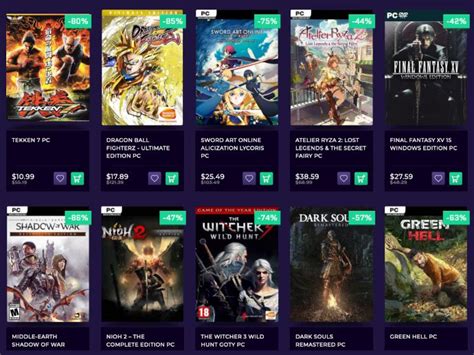
The allure of snagging a new game title at a significantly reduced price through a third-party seller is undeniable. These platforms often present deals that seem too good to be true, and sometimes, they are. While many legitimate resellers offer fantastic bargains, the grey market is also rife with scams, stolen keys, and region-locked products that can leave buyers out of pocket and without a playable game. Before you click ‘buy’ on that irresistible offer, taking a few crucial steps to verify the deal’s legitimacy can save you from disappointment, financial loss, and potential account issues.

Understanding the Third-Party Landscape
Third-party game key sellers operate in a vast ecosystem. Some are authorized resellers, meaning they purchase keys directly from publishers or distributors and sell them at a discount, often with publisher approval. Others operate in what’s known as the “grey market.” These sellers might acquire keys through various means, such as buying them during sales in cheaper regions, bundling deals, or, in the worst cases, using stolen credit cards. While not all grey market keys are problematic, their origin can be opaque and carry higher risks, including the potential for keys to be revoked by publishers.
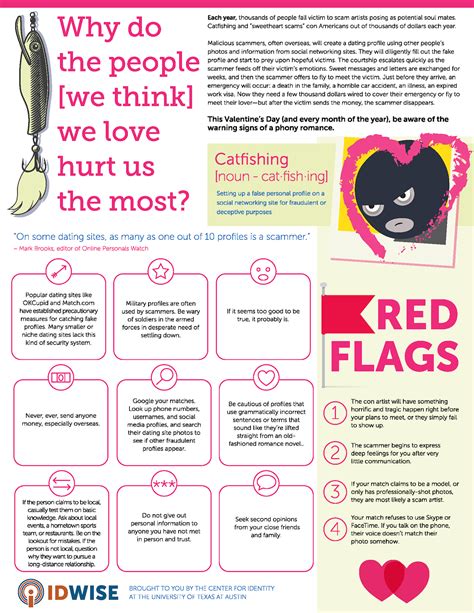
Spotting Red Flags: What Should Make You Hesitate?
Before diving into deep research, be aware of common warning signs:
- Unrealistically Low Prices: If a brand-new AAA title is being sold for a fraction of its market value, especially immediately after launch, it’s a major red flag. Publishers rarely allow such deep discounts so quickly.
- New or Unknown Sellers: A seller with no history, few reviews, or an unverified profile on a marketplace should be approached with extreme caution.
- Suspicious Payment Methods: Be wary of sellers who only accept obscure payment methods, direct bank transfers, or cryptocurrency with no buyer protection.
- Poor Website Design and Grammar: A professional and legitimate business typically invests in a well-designed website with clear, error-free language.
Essential Steps for Verification
1. Check Reviews and Reputation
This is your first and most critical step. Look for reviews on independent platforms like Trustpilot, Reddit (specifically gaming subreddits), and dedicated consumer review sites. Pay attention to both positive and negative feedback. Are common complaints about revoked keys, non-delivery, or poor customer service? Also, check if the seller is listed on sites that track authorized resellers, such as those often linked by game publishers themselves.

2. Examine the Website and Contact Information
A legitimate seller will have a professional website with clear contact information, including an email address, physical address (if applicable), and often a phone number. Ensure the site uses HTTPS (indicated by a padlock icon in your browser’s address bar), which means your connection is secure. Check their terms of service, privacy policy, and refund policy – these should be easily accessible and clearly written.
3. Understand Key Origin and Regional Restrictions
Some keys are region-locked, meaning they will only activate or work in specific geographical areas. Always check if the key is compatible with your region. Legitimate sellers will clearly state any regional restrictions. Be cautious of sellers who are vague about the key’s origin or imply it comes from a “global” pool without further clarification, as this can often lead to region-locked keys or keys purchased unethically.

4. Review Payment Methods and Buyer Protection
Opt for payment methods that offer buyer protection, such as PayPal or credit card payments. These methods provide a layer of security, allowing you to dispute charges if the key is faulty or never delivered. Avoid direct bank transfers or cryptocurrency unless you are absolutely certain of the seller’s legitimacy, as these transactions are often irreversible.
5. Verify with the Publisher (If Possible)
Some game publishers maintain lists of authorized resellers on their official websites. Before making a purchase, cross-reference the third-party seller with the publisher’s list. While many legitimate grey market sellers won’t be on this list, it’s a definitive way to identify an officially sanctioned retailer.
Prioritizing Safety in Your Purchases
Ultimately, the safest way to buy a new game title is directly from the publisher’s store (e.g., Steam, Epic Games Store, Xbox Store, PlayStation Store) or from their explicitly authorized retail partners. While third-party key sites can offer great deals, the added risk means you must exercise due diligence. If a deal seems too good to be true, it probably is. Your peace of mind and the security of your gaming account are worth more than saving a few extra dollars on a potentially fraudulent key.