How to use game ratings and guides for age-appropriate family fun?
In today’s digital age, video games are a ubiquitous form of entertainment, offering rich stories, complex puzzles, and social interaction. However, with thousands of titles available, ensuring your children are playing age-appropriate games that align with your family’s values can feel like a daunting task. Fortunately, robust rating systems and comprehensive online guides are powerful tools at your disposal to unlock a world of safe and enjoyable family fun.
Understanding Game Rating Systems
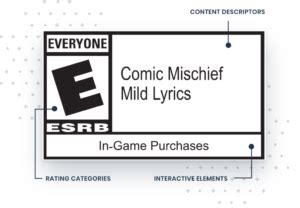
The first line of defense in choosing suitable games is understanding the established rating systems. Regions worldwide have their own standards, with the most prominent being the Entertainment Software Rating Board (ESRB) in North America, the Pan European Game Information (PEGI) in Europe, and CERO in Japan. These systems provide a quick, at-a-glance guide to a game’s age suitability.
Each rating system uses distinct categories (e.g., E for Everyone, T for Teen, M for Mature by ESRB; 3, 7, 12, 16, 18 by PEGI) to indicate the minimum age for which the content is deemed appropriate. Familiarizing yourself with these symbols is crucial, but remember, they are just a starting point.
Deciphering Content Descriptors
Beyond the age rating, game rating systems also provide ‘content descriptors.’ These are concise phrases or icons that elaborate on why a game received a particular rating. For instance, an ESRB rating might include descriptors like ‘Fantasy Violence,’ ‘Mild Language,’ ‘Use of Alcohol,’ or ‘Sexual Themes.’ Similarly, PEGI uses icons for violence, bad language, fear, sex, drugs, gambling, and online gameplay.
These descriptors offer invaluable insight into the specific elements within a game that might be a concern. A game rated ‘T for Teen’ with ‘Fantasy Violence’ might be very different from one with ‘Blood and Gore’ and ‘Strong Language.’ Always take a moment to read these descriptors, as they paint a much clearer picture of the game’s actual content than the age rating alone.

Leveraging Online Game Guides and Reviews
Once you’ve understood the ratings and content descriptors, the next powerful resource is the vast world of online game guides, reviews, and gameplay videos. Websites like Common Sense Media offer parent-focused reviews that delve deep into a game’s educational value, positive messages, violence, language, and consumerism, providing a comprehensive overview from a parental perspective.
General gaming review sites and YouTube channels can also be helpful. Watching a few minutes of gameplay footage can often reveal more about a game’s tone, pacing, and visual style than any written review. Look for ‘no commentary’ gameplay videos to get an unbiased look at the game in action. These resources allow you to preview a game’s content effectively before it ever enters your home, ensuring it aligns perfectly with your family’s expectations.

Engaging in Family Discussion and Play
While ratings and guides are excellent tools, there’s no substitute for open communication and direct involvement. Talk to your children about the games they are interested in. Ask them why they want to play a particular title and what they like about it. This not only empowers them in the decision-making process but also helps you understand their interests and what attracts them to certain content.
Consider playing games together as a family. This provides direct insight into the gameplay, themes, and interactions. It also offers a fantastic opportunity for bonding and can spark discussions about the choices characters make, the ethical dilemmas presented, or even the skills required to succeed. Shared gaming experiences can turn potential conflicts into cooperative fun.

The Benefits of Informed Gaming Choices
Making informed choices about video games extends beyond just avoiding inappropriate content. It opens the door to a wealth of benefits: enhanced family bonding through shared activities, the development of problem-solving skills, improved hand-eye coordination, and exposure to engaging narratives. When games are chosen thoughtfully, they become not just entertainment but a valuable part of a child’s development and a source of positive family memories.

Conclusion
Navigating the vast landscape of video games doesn’t have to be a guessing game. By consistently utilizing game rating systems, delving into content descriptors, researching online guides and reviews, and fostering open communication within your family, you can confidently select titles that are not only age-appropriate but also enriching and fun for everyone. Embrace these tools, and transform potential confusion into opportunities for shared excitement and memorable family gaming experiences.