How to structure game guides to prevent beginner overwhelming & promote quick learning?
Designing effective game guides is crucial for player retention and enjoyment. A poorly structured guide can overwhelm newcomers, leading to frustration and abandonment. Conversely, a well-organized guide empowers players to learn quickly, master mechanics, and fully immerse themselves in the game world.
The Core Challenge: Information Overload
Beginners often face a deluge of information: controls, mechanics, lore, strategies, and objectives. Dumping all this upfront is counterproductive. The key is to present information progressively, ensuring players grasp foundational concepts before moving to more complex topics.
Key Principles for Effective Guide Structure
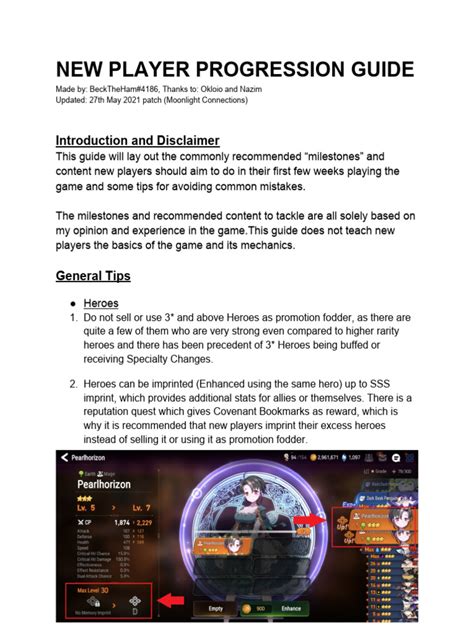
1. Progressive Disclosure: The Layered Approach
Introduce concepts incrementally. Start with the absolute basics (movement, core interactions) and gradually add layers of complexity (advanced combat, resource management, intricate crafting systems). Think of it as a funnel, widening as the player progresses.
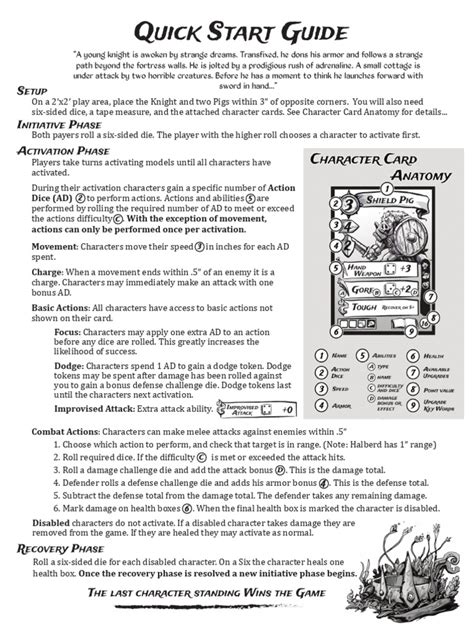
- First Layer: Quick Start Guide. Focus on getting players playing immediately.
- Second Layer: Core Mechanics. Elaborate on essential systems players will encounter frequently.
- Third Layer: Advanced Strategies & Deep Dives. For those looking to optimize or explore niche aspects.
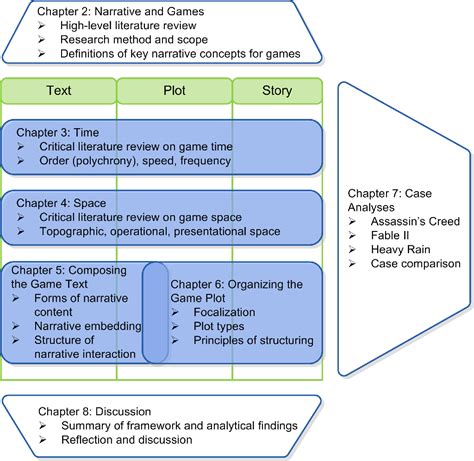
2. Modularity and Chunking: Bite-Sized Information
Break down your guide into small, digestible sections. Each section should focus on a single topic or a closely related group of topics. Use clear headings, bullet points, and short paragraphs to make scanning easy. This allows players to quickly find specific information without wading through lengthy texts.
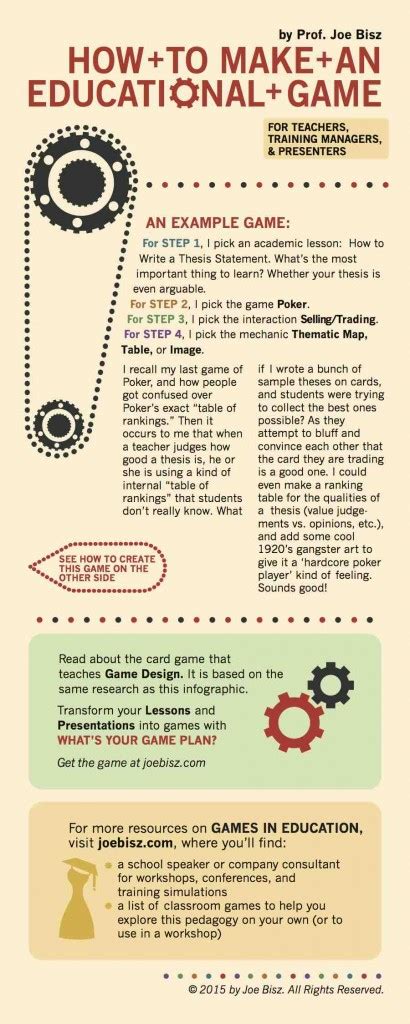
3. Visual Aids: Show, Don’t Just Tell
Screenshots, diagrams, and short video clips (even if represented by an anchor here) are invaluable. They can convey information far more efficiently than text alone. Illustrate UI elements, key locations, combat maneuvers, or crafting recipes directly. Ensure visuals are clear, well-labeled, and directly relevant to the surrounding text.
4. Actionable Advice & Context: The “Why” and “How To”
Don’t just state facts; explain their implications. Why is this mechanic important? How does it affect gameplay? Provide concrete examples and actionable steps. Encourage players to try things out in-game immediately after learning a concept.
Practical Structural Elements for Your Guides
A. Comprehensive Table of Contents (TOC)
A clickable TOC at the beginning of your guide is non-negotiable. It provides an immediate overview of the guide’s scope and allows users to jump directly to topics of interest. Hierarchical TOCs (using subheadings) are even better.
B. Dedicated Quick Start Section
This is paramount for beginners. It should cover:
- Basic controls and movement.
- Initial objectives and first steps.
- How to save/load.
- Key UI elements and their functions.
This section should be concise and get players into the game within minutes.

C. Glossary of Terms
Games often have unique jargon. A glossary helps demystify terms, especially for newcomers or players unfamiliar with specific genre conventions.
D. FAQs and Troubleshooting
Anticipate common questions and problems. A dedicated section can save players (and your support team) a lot of time and frustration. Include solutions to common bugs, performance issues, or tricky game mechanics.
Writing Style and Tone
Keep your language clear, concise, and encouraging. Avoid overly technical jargon where possible, or explain it thoroughly if necessary. Maintain an empathetic tone, acknowledging that learning a new game can be challenging. Celebrate small victories and guide players patiently through difficulties.

Conclusion
Structuring game guides effectively is an art that balances comprehensive information with ease of access. By embracing progressive disclosure, modular design, visual aids, and clear navigation, you can create guides that not only prevent beginner overwhelm but actively promote quick learning and long-term player engagement. A well-crafted guide transforms potential frustration into an enjoyable journey of discovery and mastery.