How to spot quality mobile games vs. P2W traps?

The mobile gaming landscape is a vast and varied ecosystem, offering everything from quick casual distractions to deep, engaging experiences. However, amidst this abundance, a significant challenge for players is differentiating between truly high-quality games that respect their time and money, and those designed primarily as “pay-to-win” (P2W) traps. These P2W titles often lure players in with flashy graphics or enticing premises, only to erect artificial barriers that can only be overcome by significant real-money investment. Learning to identify the hallmarks of both is crucial for a satisfying mobile gaming experience.
Understanding Quality Mobile Games
A quality mobile game prioritizes player experience and sustainable engagement over aggressive monetization. These games typically feature:
- Engaging Core Gameplay: The fundamental mechanics are fun, well-balanced, and provide a sense of accomplishment through skill or thoughtful strategy, not just spending.
- Fair Progression: Players can advance and unlock content at a reasonable pace without feeling coerced into purchases. Optional cosmetic items or quality-of-life improvements are available, but not essential for enjoyment or competitive viability.
- Developer Transparency & Support: The developers communicate openly with their community, regularly update the game with new content and bug fixes, and are responsive to player feedback.
- Respect for Player Time: While some grind may be present, it’s usually meaningful and rewarding, not just a time sink designed to frustrate players into buying shortcuts.

Identifying Pay-to-Win (P2W) Traps
P2W games, by contrast, are structured to make progression difficult, frustrating, or impossible without spending money. Key indicators include:
- Aggressive Monetization Pop-ups: Constant offers, limited-time deals, and prompts to buy currency or bundles that interrupt gameplay.
- Artificial Progression Walls: Reaching a point where further advancement becomes incredibly slow, grindy, or requires specific “premium” items that are difficult or impossible to obtain without cash.
- Direct Power Advantage for Spenders: Players who spend money gain significant, often insurmountable, advantages over free-to-play players in competitive modes, character strength, or resource generation.
- Reliance on Gacha/Loot Boxes for Core Progression: Key characters, gear, or abilities are locked behind random draw systems, often with extremely low odds, pushing players to spend hundreds or thousands to “win” the lottery.
- Energy Systems that Hinder Play: Systems that limit how much you can play without waiting or paying to replenish an “energy” bar.

Key Indicators Before You Download or Invest
Before diving headfirst into a new mobile game, consider these points:
Check Reviews and Ratings
App store reviews, especially recent ones, often highlight monetization issues or P2W mechanics. Look beyond the overall star rating for specific comments about fairness, developer practices, and progression. Community forums and dedicated gaming websites can also offer valuable insights.

Research the Developer
A developer with a history of creating fair, well-supported games is usually a good sign. Conversely, a studio known for predatory monetization in past titles might signal caution.
Examine the Early Game Experience
Pay attention to how the game introduces its monetization. Is it purely cosmetic? Are premium currencies offered generously in-game, or are they scarce? Does the game feel fun and fair for the first few hours, or do you quickly hit a wall? A good game allows you to enjoy the core experience for free for a significant period before any serious paywalls.
Look for Clear Monetization Models
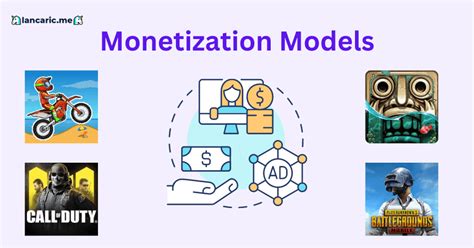
Quality games often have transparent monetization, such as one-time purchases for content, battle passes with clear progression, or purely cosmetic shops. P2W games tend to have more opaque systems, often involving multiple currencies, rotating “deals,” and random mechanics.
Conclusion
The power to differentiate between a truly engaging mobile game and a P2W trap lies with the player. By understanding the tell-tale signs of each, doing a bit of preliminary research, and trusting your instincts about what feels fair, you can ensure your mobile gaming experience remains enjoyable and rewarding, rather than a constant battle against your wallet. Empower yourself to choose wisely and reclaim the fun in mobile gaming.