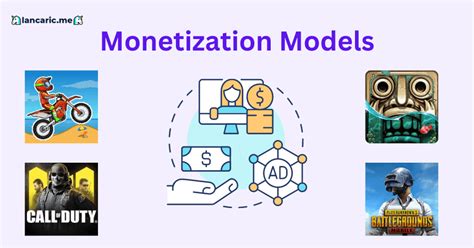
How to spot predatory monetization in popular free mobile games?

Free-to-play mobile games have revolutionized the gaming landscape, offering instant entertainment without an upfront cost. However, beneath the veneer of “free,” many popular titles employ sophisticated and often deceptive monetization tactics designed to extract as much money as possible from players. Understanding these methods is crucial for protecting your wallet and ensuring a genuinely enjoyable gaming experience.
Understanding Predatory Monetization
Predatory monetization refers to a range of practices in game design that exploit psychological vulnerabilities, encourage impulsive spending, or deliberately obfuscate costs to maximize revenue. Unlike ethical monetization, which offers fair value for optional purchases, predatory tactics prioritize profit over player well-being, often leading to buyer’s remorse, financial strain, and a diminished gaming experience.
These strategies are meticulously crafted by behavioral economists and game designers who understand human psychology. They leverage principles like loss aversion, social proof, and intermittent reinforcement to keep players engaged and spending. The line between aggressive and predatory can be blurry, but generally, if a mechanic feels exploitative, unfair, or intentionally misleading, it likely falls into the latter category.
Common Red Flags & Dark Patterns
Several observable patterns and design choices indicate a game might be employing predatory monetization. Recognizing these “dark patterns” is the first step in avoiding their traps.
Fear of Missing Out (FOMO) and Time-Limited Offers
Many games constantly bombard players with “limited-time” bundles, “daily deals,” or event-exclusive items that expire quickly. This creates a sense of urgency and fear of missing out on a unique opportunity, pressuring players into impulsive purchases. The perceived scarcity often outweighs the actual value of the item.
“Pay-to-Win” Mechanics
A game becomes “pay-to-win” when real money purchases offer a significant, often insurmountable, advantage over players who don’t spend. This can manifest as exclusive powerful gear, characters, or resources that are extremely difficult, if not impossible, to obtain through regular gameplay. It creates an unfair playing field, forcing non-spenders into a disadvantage.
Gacha and Loot Boxes
Perhaps one of the most controversial tactics, gacha mechanics and loot boxes involve paying real money for a chance to receive a random item, character, or resource. These operate on principles similar to slot machines, exploiting psychological biases associated with gambling. The odds are often low for valuable items, encouraging repeated purchases in pursuit of a rare drop.
Deceptive User Interface (UI) and User Experience (UX)
Dark patterns in UI/UX design are subtle manipulations. Examples include making it difficult to find the “no thanks” button on an offer, automatically subscribing users to premium features, or using confusing currency conversion rates to obscure the real cost of an item. These designs are intended to trick players into actions they might not otherwise take.

Exploitative In-App Purchases (IAPs)
Beyond dark patterns, the nature of in-app purchases themselves can be predatory.
Confusing Currency Traps
Games often introduce multiple layers of in-game currency (gems, gold, energy, special tokens) with varying exchange rates to real money. This complexity makes it hard for players to calculate the true cost of items and leads to mental accounting errors, where players spend “virtual currency” more freely than real money.
Subscription Traps
While some subscriptions offer good value, predatory ones might make cancellation difficult, auto-renew without clear notification, or offer an initial “free trial” that automatically converts to a paid subscription after a short period, hoping players forget to cancel.
Excessive Grind Walls
This tactic involves designing the free progression path to be extraordinarily tedious, time-consuming, or frustratingly slow. The goal is to make the player feel so impatient or disadvantaged that they are “encouraged” to spend money to bypass the grind and speed up their progress. This isn’t just a slow game; it’s deliberately made unpleasant without spending.

Protecting Yourself and Your Wallet
Being aware of these tactics is the first step. Here’s how to safeguard your finances and enjoyment:
- Research Before You Play: Check reviews, especially those that mention monetization practices. Look up the game’s “IAP range” on app stores; if it lists up to hundreds of dollars, be wary.
- Set Spending Limits: Utilize parental controls or app store settings to limit or require authentication for purchases. Decide on a personal budget for mobile games and stick to it.
- Be Skeptical of “Deals”: If an offer seems too good to be true, it often is. Evaluate whether you truly need the item or if it’s just FOMO.
- Understand In-Game Currencies: Take the time to calculate the real-money value of in-game items. If it’s deliberately confusing, consider it a red flag.
- Educate Children: If children play on your device, explain the concept of in-app purchases and set strict controls to prevent accidental or impulsive spending.
- Don’t Be Afraid to Quit: If a game consistently feels exploitative or makes you regret your purchases, it’s okay to walk away. Your time and money are valuable.
Conclusion
While free mobile games offer immense entertainment, it’s vital to approach them with a discerning eye. By understanding the common predatory monetization tactics and dark patterns, you can make informed decisions, avoid financial traps, and ultimately enjoy your gaming experience without feeling exploited. Play smart, stay informed, and remember that true fun shouldn’t come at the cost of your financial well-being.