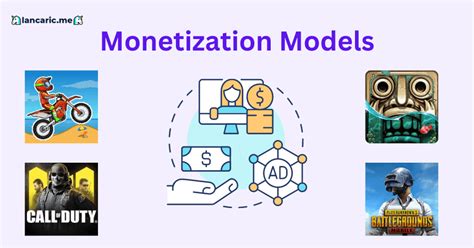
How to spot predatory mobile game monetization before playing?

Understanding Predatory Monetization in Mobile Games
Mobile gaming has exploded in popularity, offering countless hours of entertainment right at your fingertips. However, beneath the polished graphics and engaging gameplay, many titles hide aggressive monetization strategies designed to extract as much money as possible from players, often at the expense of fair play and enjoyment. These ‘predatory’ tactics can turn a fun pastime into a frustrating and costly addiction. But how can you identify these traps before investing your time and money? This guide will equip you with the knowledge to spot the warning signs.
First Impressions: What to Look for Before Downloading
App Store Descriptions and Screenshots
Before you even click ‘download,’ pay close attention to the game’s app store page. Look for specific language in the description. Terms like ‘VIP levels,’ ‘exclusive bundles,’ ‘limited-time offers,’ or excessive mentions of ‘power-ups’ and ‘boosts’ can be red flags. While some games offer these benignly, in others, they hint at a core design that pressures players to spend.
Examine the screenshots and promotional videos. Do they prominently feature UI elements showing multiple currencies, elaborate ‘shop’ interfaces, or daily login bonuses that seem overly generous? These often suggest a complex in-app purchase (IAP) ecosystem.
Reading User Reviews and Ratings
User reviews are an invaluable resource. Don’t just look at the overall star rating; filter by ‘most critical’ or ‘1-star reviews.’ Players who feel cheated or frustrated are often very vocal about their experiences. Look for common complaints regarding:
- Pay-to-Win (P2W) Mechanics: Phrases like ‘can’t progress without spending,’ ‘P2W garbage,’ or ‘developers only care about money.’
- Aggressive Ads: Constant, unskippable ads that interrupt gameplay.
- Gacha/Loot Box Issues: Complaints about extremely low drop rates, feeling forced to buy loot boxes, or ‘gambling’ mechanics.
- Energy Systems/Timers: Users mentioning long wait times or running out of ‘energy’ quickly without paying.
- Lack of Content/Updates: Despite heavy monetization, the actual game content feels thin or neglected.

Developer Reputation and History
A quick search for the developer can reveal a lot. Do they have a history of making similar games with notorious monetization schemes? Are there widespread complaints about their customer service or previous game shutdowns? Established developers with a track record of fair practices are generally a safer bet than obscure companies with no public presence or a history of controversial titles.
Peeking Under the Hood: Gameplay Indicators
Understanding Different Monetization Models
While you can’t play the game, trailers and gameplay videos often give clues about the core mechanics.
- Gacha/Loot Boxes: If the game prominently features ‘summons,’ ‘draws,’ or ‘crates’ that offer randomized rewards (characters, items, currency), it’s using gacha mechanics. While not inherently bad, the transparency of odds and the necessity of these draws for progression are key.
- Energy Systems and Timers: Does the game seem to have an ‘energy’ bar that depletes with actions, or progress bars that take hours to complete? These often bottleneck free players, pushing them to spend to bypass wait times.
- Subscription Models: Some games offer ‘battle passes’ or monthly subscriptions. Evaluate if these offer genuine value or simply unlock basic functionality that should be free.
Signs of Artificial Scarcity and Pressure
Predatory games often create artificial scarcity or urgency:
- Constant Pop-ups and Sales: Even in trailers, if the UI is cluttered with ‘limited-time offers,’ ‘starter packs,’ or ‘huge discounts,’ it’s a sign of aggressive sales tactics.
- Multiple Currencies: A game with 3-5+ different currencies (gold, gems, crystals, tokens, shards) often uses this complexity to confuse players and obscure the true cost of items.
- Difficulty Spikes: If early gameplay seems suspiciously easy, only to hit an insurmountable wall later, it might be designed to pressure you into IAPs to progress.

Making an Informed Decision
Ultimately, your best defense is an informed decision. Look for games that prioritize fun and fair challenges over constant demands for money. A healthy monetization model generally offers cosmetic purchases, optional conveniences, or expansions that enhance the game without making it feel mandatory to spend to win or enjoy.
Before committing to a new mobile game, take a few extra minutes to research. Check reviews, scrutinize descriptions, and watch gameplay videos with a critical eye. Your wallet and your gaming satisfaction will thank you.