How to spot predatory microtransactions in free-to-play mobile games before downloading?
Free-to-play (F2P) mobile games offer instant gratification and endless entertainment, but many hide a darker side: predatory microtransactions designed to drain your wallet. While not all in-app purchases (IAPs) are bad, some employ manipulative tactics that can ruin the fun and become costly. The good news is, with a keen eye and a bit of research, you can often spot these traps before you even hit ‘download’.
Understanding the Lure of F2P and Its Pitfalls
The F2P model is a powerful marketing tool. It removes the initial barrier to entry, drawing in millions of players. However, developers need to make money, and that’s where microtransactions come in. They can range from cosmetic items and convenience boosters to essential power-ups that create a ‘pay-to-win’ (P2W) environment. Predatory practices push players into spending, often by creating artificial scarcity, frustrating paywalls, or exploiting psychological vulnerabilities like fear of missing out (FOMO).
Red Flag #1: Scrutinize App Store Descriptions & Screenshots
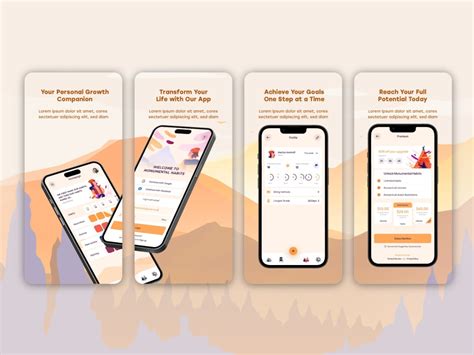
The app store page is your first line of defense. Don’t just glance; read carefully.
- Vague IAP Descriptions: If the game lists a wide range of IAP prices (e.g., “$0.99 – $99.99”) but offers no specific examples of what these purchases entail in the description, that’s a yellow flag. Look for games that clearly state what you’re buying.
- Prominent “VIP” or “Premium” Systems: Screenshots or descriptions that heavily feature VIP levels, premium currency packs, or battle passes are common, but pay attention to their integration. Are they central to progression, or merely optional add-ons?
- Energy Systems: A recurring theme in screenshots showing an ‘energy’ bar or ‘stamina’ that depletes rapidly suggests gameplay is capped unless you pay to refill.
- Limited-Time Offers: If screenshots are filled with pop-ups for ‘special offers’ or ‘daily deals’ at seemingly deep discounts, it hints at a game designed to constantly push spending.
Red Flag #2: Dive into Player Reviews and Ratings
Player reviews are a goldmine of information, especially the critical ones. Filter by the lowest ratings first, and look for recurring themes.
- Keywords to Search For: Look for terms like “pay-to-win,” “greedy,” “paywall,” “energy,” “gacha,” “ads,” “money grab,” “impossible without spending,” or “cash grab.”
- Review Trends: Are many players complaining about the same thing? If multiple reviews mention being stuck without spending money or feeling pressured to buy items, take heed.
- Developer Responses: See how developers respond to critical reviews. Do they address the issues, or do they offer generic, copy-pasted replies? A pattern of ignoring monetization complaints is a bad sign.
- “Helpful” Reviews: Sort reviews by “most helpful” to see what the community considers important. Often, these highlight key issues.

Red Flag #3: Research the Developer’s Track Record
Companies tend to stick to a business model. If a developer has a history of creating F2P games notorious for predatory monetization, chances are their next game will follow suit. Check other games they’ve published:
- Visit the Developer’s Page: On app stores, click on the developer’s name to see their other titles.
- Check Their Other Games’ Reviews: Apply the same review-mining techniques to their past games. Are there consistent complaints across their portfolio about aggressive IAPs?
- Online Searches: A quick Google search for “[Developer Name] predatory” or “[Developer Name] microtransactions” can reveal articles, forum discussions, or Reddit threads discussing their monetization practices.

Red Flag #4: Watch Gameplay Videos and Livestreams
Seeing is believing. Before downloading, search YouTube or Twitch for gameplay footage of the game.
- Early Game Experience: Does the game introduce IAPs or premium currency early on? How often do pop-ups for purchases appear?
- Progression Wall: Watch for videos that show players encountering a progression wall where progress significantly slows or becomes impossible without spending.
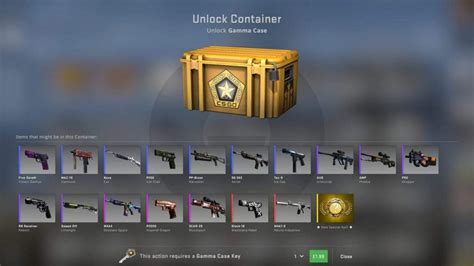
- Gacha Mechanics: If the game features a “gacha” (loot box) system, how prominent is it? Does it feel necessary to engage with it to get powerful items?
- Ads Integration: Are there forced ads that interrupt gameplay, or are ads primarily optional for bonuses? Games that frequently force ads are often trying to monetize every possible angle.

Conclusion: Empowering Your Play
By taking a few extra minutes to investigate an F2P mobile game, you can save yourself frustration and money. Remember, not all microtransactions are bad, and many F2P games offer enjoyable experiences without feeling exploitative. The goal is to be an informed player, making choices that align with your desire for fair and fun gaming, rather than falling victim to manipulative monetization strategies. Your time and money are valuable; spend them wisely on games that respect you as a player.