How to spot predatory F2P gacha tactics before you spend real money?

Free-to-play (F2P) gacha games have become a dominant force in the mobile gaming market, offering seemingly endless entertainment without an upfront cost. However, beneath the surface of engaging gameplay and constant updates, many employ sophisticated, often predatory, monetization tactics designed to encourage continuous spending. For the unwary player, this can lead to significant financial outlays. Understanding how to spot these tactics is crucial for protecting your wallet and maintaining a healthy relationship with your gaming.
Understanding Gacha Mechanics and Their Appeal
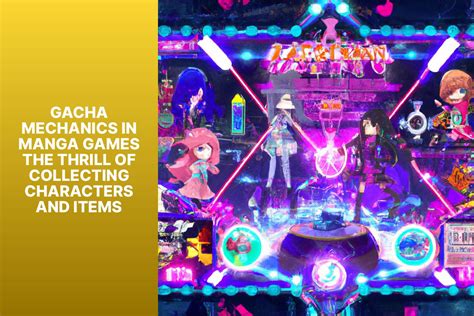
At its core, gacha is a gambling-like mechanic where players spend in-game currency (often bought with real money) to receive a random item, character, or upgrade. The thrill of the unknown, the pursuit of rare items, and the social prestige of having exclusive content are powerful motivators. Developers leverage this psychological appeal by making desirable items exceedingly rare, creating a “fear of missing out” (FOMO), and constantly introducing new, limited-time offerings.
Red Flags in Monetization Strategies
Predatory gacha games often exhibit several tell-tale signs in their monetization. One common tactic is the “pity timer” or “spark system,” which, while seemingly benevolent (guaranteeing a rare item after a certain number of pulls), often sets the threshold so high that reaching it still requires a substantial investment. Another flag is the constant barrage of “limited-time offers” and “daily bundles” that present themselves as incredible deals, pressuring players to spend quickly before the offer expires. Look out for multiple layers of currency, where one premium currency is used to buy another, making it difficult to track real money value.
Moreover, games that heavily gate progression behind specific rare characters or items, making free-to-play progression agonizingly slow or impossible without them, are often pushing players towards spending. The “whale hunting” strategy, where a small percentage of high-spending players fund the game, also contributes to these aggressive tactics, as the game’s design shifts to cater to their spending potential.

Psychological Manipulation Tactics to Watch For
Beyond direct monetization, many gacha games employ psychological tricks. “Sunk cost fallacy” is a major one: the more time and money a player has invested, the harder it is to quit, even if the game becomes less enjoyable or more demanding financially. Daily login bonuses and event rewards often create a habit loop, making players feel obligated to log in and play, further deepening their investment.
The concept of “near misses” where a player almost gets the desired item, often displayed visually, can create a powerful urge to try “just one more pull.” Social pressure, through leaderboards or guild systems that reward top spenders, also plays a role, making players feel inadequate if they don’t keep up. Be wary of games that use opaque probability displays or make it difficult to determine the true odds of acquiring a specific item.

Analyzing Gacha Pull Rates and Value
Always scrutinize the disclosed pull rates. While many regions now mandate their display, developers can still obscure the true cost. A 0.5% chance for a specific character might seem low, but when combined with the cost of a single pull and the need for multiple copies or specific combinations, the real investment skyrockets. Compare the “value” of different bundles; often, larger bundles offer only a marginal improvement in premium currency per dollar, designed to encourage higher spending. Calculate the average cost to ‘pity’ a character or obtain a full team to understand the true expense.
Setting Personal Limits and Seeking Alternatives
The most effective defense against predatory gacha tactics is to set strict personal spending limits before you start playing, and stick to them. Consider using separate gift cards or specific budgets to manage your spending. If a game constantly pressures you to spend to enjoy it, it might not be worth your time or money. There are many F2P games that offer fair monetization or alternative premium models without resorting to such aggressive tactics. Prioritize games that respect your time and wallet, offering enjoyment without constant financial demands.

Conclusion
While gacha games can be incredibly fun, they often operate on business models designed to extract maximum revenue from players. By understanding the common red flags in monetization, recognizing psychological manipulation, and critically evaluating pull rates, you can protect yourself from falling victim to predatory tactics. Play smart, set limits, and remember that your enjoyment of a game shouldn’t come at the cost of your financial well-being.