How to spot predatory F2P gacha tactics and avoid overspending for more fun?
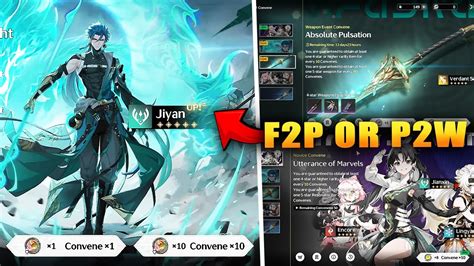
Free-to-play (F2P) gacha games have captivated millions with their accessibility and the thrill of collecting rare characters or items. However, beneath the surface of seemingly endless fun lies a carefully constructed system designed to encourage spending, often exploiting psychological vulnerabilities. For many players, the line between casual enjoyment and costly addiction can blur. Understanding these mechanics is the first step towards reclaiming control and truly enjoying your gaming experience without breaking the bank.
Understanding the Gacha Hook: More Than Just a Game
The allure of gacha is undeniable. It combines the excitement of a lottery with the progression of a role-playing game. Players invest time and sometimes money, hoping for that coveted “pull” that will unlock a powerful new character or essential upgrade. Game developers, masters of behavioral psychology, craft these experiences to be highly addictive, making it easy to fall into cycles of spending.
The Illusion of Freeness: How Games Entice Spending
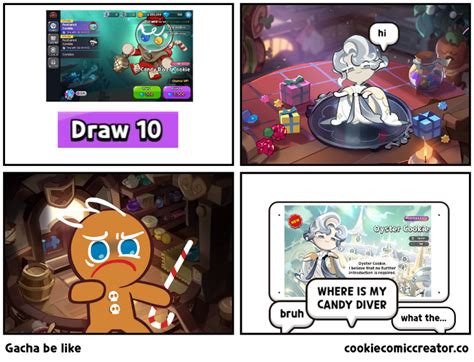
While the initial download is free, gacha games are anything but. They operate on a “freemium” model, where core gameplay is accessible, but premium currency, items, and advantages are locked behind payment. This creates a perceived value for paid items, as they offer shortcuts, power boosts, or exclusive content unavailable to pure F2P players. The slow grind for free resources often acts as a friction point, pushing players towards paid alternatives for quicker progression.
Psychological Triggers: FOMO, Sunk Cost, and Whale Hunting
Developers skillfully employ various psychological triggers. “Fear of Missing Out” (FOMO) is paramount, with limited-time banners, seasonal events, and exclusive characters creating urgency. The “sunk cost fallacy” comes into play when players have already invested significant time and money, making it harder to stop, as they feel their previous investments would be wasted. “Whale hunting” refers to the practice of designing games to identify and extract large sums from a small percentage of high-spending players, often through personalized offers and increasingly expensive bundles.
Common Predatory Tactics to Watch For
Recognizing these tactics is crucial for safeguarding your wallet and well-being. They aren’t always obvious, often hidden behind layers of engaging gameplay and seemingly generous rewards.
Gambler’s Fallacy & Near Misses
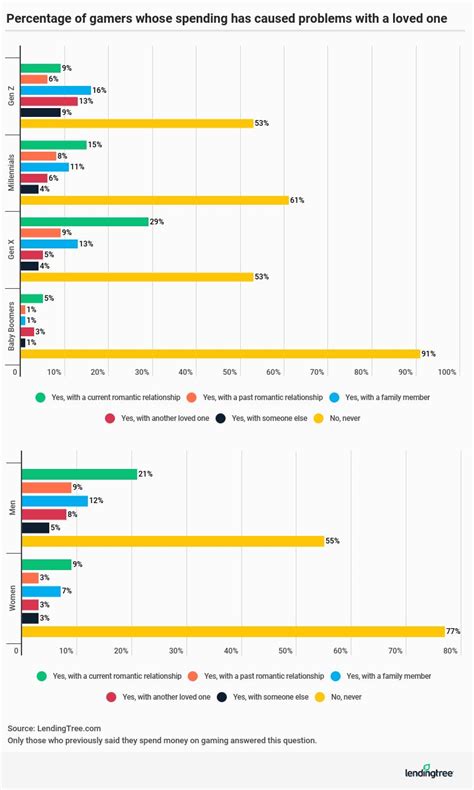
Gacha systems are fundamentally gambling. The “gambler’s fallacy” makes players believe that after a string of bad luck, a win is “due.” Near misses—pulling a desirable item just shy of the top tier—are specifically designed to reinforce this, encouraging more attempts. These systems capitalize on human pattern recognition, even when no true pattern exists in random chance.
Escalating Offers & Limited Time Deals
You’ll often encounter pop-up offers that escalate in value or price the more you play or spend. “Limited-time” deals create a sense of urgency, pressuring players into impulsive purchases. These deals are often presented as incredible value, but their true cost must be weighed against your actual need and budget.
“Pity” Systems and Their Traps
Many gacha games include “pity” timers, guaranteeing a rare pull after a certain number of failed attempts. While seemingly player-friendly, pity systems can be a trap. They encourage players to spend just “one more time” to hit the pity threshold, often leading to unplanned overspending, especially on multiple concurrent banners.

Power Creep & Mandatory Upgrades
To keep players spending, games often introduce new characters or items that are significantly more powerful than previous ones—a phenomenon known as “power creep.” This can make older, previously acquired items feel obsolete, pushing players to spend on the latest, strongest units just to keep up with the game’s difficulty or competitive meta. Sometimes, essential upgrades are tied to duplicate pulls, forcing repeated gacha rolls.
Artificial Scarcity & Gated Content
Developers create artificial scarcity for desirable items, making them incredibly rare or available for only brief periods. This scarcity drives up their perceived value and encourages spending. Additionally, some game modes or content might be “gated” behind specific rare characters or teams, effectively demanding gacha pulls to fully experience the game.
Strategies to Enjoy Gacha Games Without Overspending
You don’t have to give up gacha games entirely to protect your wallet. With awareness and discipline, you can enjoy them responsibly.
Set a Strict Budget (or Go Completely F2P)
The most effective strategy is to decide on a strict monthly budget for gacha games and stick to it, or commit to being entirely free-to-play. Use separate bank accounts, gift cards, or app store credits to enforce this limit. Never use credit cards for gacha purchases if you struggle with impulse control. Remember, it’s entertainment; treat it like any other discretionary expense.
Research Before You Pull: Community Wisdom
Before spending premium currency on a banner, consult community resources like wikis, forums, and YouTube guides. See what experienced players say about the value, longevity, and necessity of new units. This can help you avoid pulling for units that aren’t as impactful as they seem or that will quickly be power-crept.
Value Your Time Over Your Wallet
Instead of immediately buying resources or characters, consider if the game offers ways to earn them through dedicated gameplay, even if it takes longer. Sometimes, the grind can be a satisfying part of the experience, and it keeps your wallet closed. Re-evaluate if the “time save” is truly worth the money.
Focus on Fun, Not Rarity
Shift your mindset from needing every rare unit to enjoying the units you have. Many F2P units or less-rare characters are perfectly viable for most content. Find joy in optimizing what you have, discovering new team compositions, and appreciating the game’s mechanics rather than chasing an endless stream of digital collectibles.
Take Breaks and Disconnect
If you find yourself feeling pressured to spend, or if the game becomes more of a chore than fun, take a break. Step away for a few days, or even a few weeks. This can help break the cycle of FOMO and impulse spending, allowing you to return with a refreshed perspective or decide if the game is still worth your time.

Conclusion: Reclaim Your Fun
Gacha games can be incredibly entertaining, but their monetization strategies are designed to be addictive and expensive. By understanding the psychological hooks and predatory tactics employed by developers, you empower yourself to make informed decisions. Set boundaries, stick to your budget, and prioritize genuine enjoyment over chasing fleeting digital advantages. When you play smart, you ensure that the fun remains free, or at least, well within your means.