How to simplify complex game mechanics in beginner guides for new players?

Creating effective beginner guides is crucial for the success of any game, especially those with deep and intricate systems. New players can quickly become overwhelmed and abandon a game if its core mechanics are presented poorly. The key lies in breaking down complexity without oversimplifying the game’s depth. This guide will explore practical strategies for distilling intricate game mechanics into accessible and engaging explanations for new adventurers.
Understand Your Audience’s Starting Point
Before you even begin writing, put yourself in the shoes of a complete novice. They likely have no prior experience with your game’s genre, its specific terminology, or its unique control scheme. Avoid making assumptions about their existing knowledge. Your goal is to onboard them gently, building a foundational understanding step by step. Consider what a player absolutely needs to know to take their first meaningful action, then add layers of complexity.
Break Down Complexity into Manageable Chunks
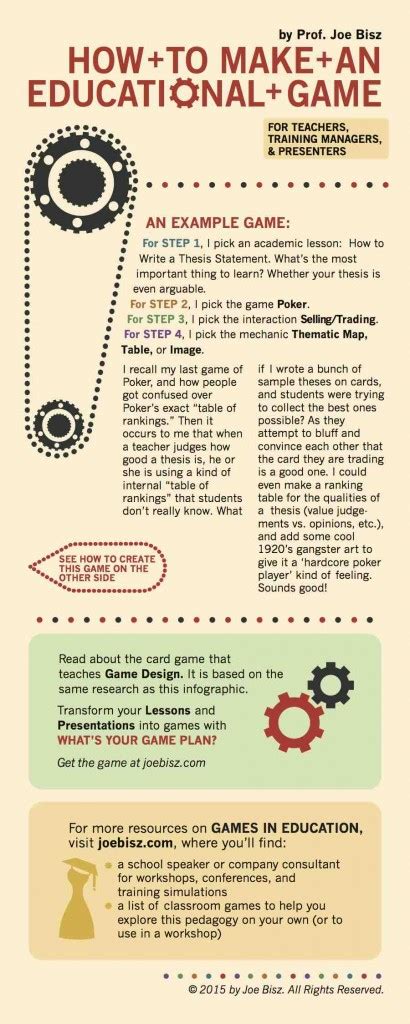
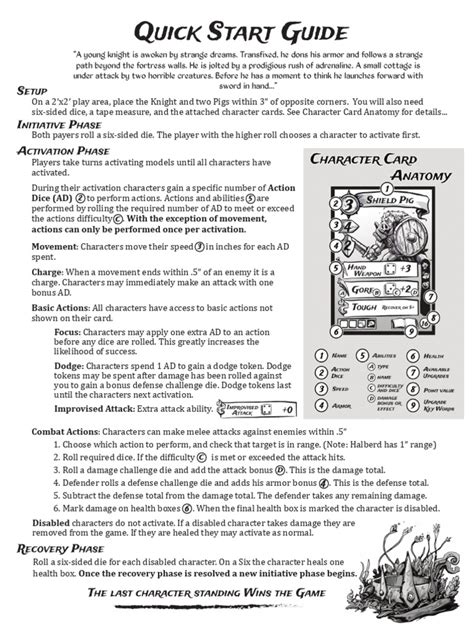
Instead of presenting a wall of text explaining an entire system, dissect it into smaller, digestible components. Introduce one core concept, explain it thoroughly, and then show how it connects to the next. This layered approach prevents cognitive overload and allows players to absorb information gradually. Think of it as a guided tour rather than a data dump.

Use Clear, Concise, and Jargon-Free Language
Technical terms and game-specific jargon, while familiar to veterans, can be daunting for new players. Strive for plain language. If a specialized term is unavoidable, introduce it clearly and provide an immediate, simple definition. Use short sentences and paragraphs to improve readability. Clarity should always take precedence over elegance in a beginner guide.
Leverage Analogies and Real-World Comparisons
Abstract game mechanics can be made tangible by relating them to concepts players already understand. For instance, explaining a “cooldown” ability as a “recharge period” or a “buff” as a “temporary power-up” can instantly click with a new player. Analogies bridge the gap between the unfamiliar game world and their everyday experiences, making learning intuitive.
Employ Visual Aids and Interactive Elements
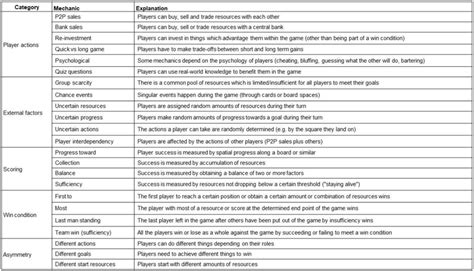
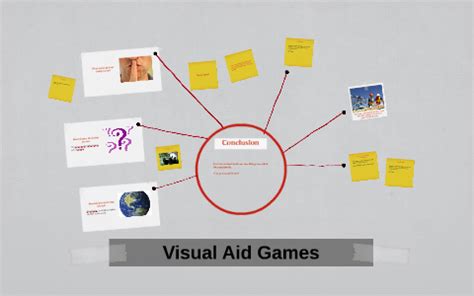
A picture is worth a thousand words, especially in game guides. Screenshots, diagrams, and short video clips can effectively illustrate concepts that are difficult to describe with text alone. Highlight specific UI elements, show before-and-after effects of an action, or demonstrate a sequence of steps. If possible, integrate interactive tutorials directly into the game to allow for hands-on learning.
Provide Practical Examples and Guided Practice
Don’t just explain what a mechanic does; show players how to use it and why it matters. Offer concrete examples of the mechanic in action within the game context. Better yet, create opportunities for guided practice where players can experiment with the mechanic in a low-stakes environment. This active learning reinforces understanding and builds confidence.
Start Simple, Then Expand
Embrace the “crawl, walk, run” philosophy. Introduce only the absolutely essential mechanics required for a player to start playing and enjoying the game. Once they’ve grasped these fundamentals, gradually introduce more advanced concepts and nuances. This progressive revelation keeps the learning curve gentle and maintains player engagement without overwhelming them upfront.
Test and Iterate with New Players
The true test of a beginner guide’s effectiveness is how well actual new players understand it. Recruit individuals who have never played your game (or even similar games) and observe them as they go through your guide. Pay close attention to points of confusion, repeated questions, and areas where they get stuck. Use this invaluable feedback to refine and improve your guide until it’s crystal clear.

Conclusion
Simplifying complex game mechanics for new players is an art that requires empathy, clarity, and strategic presentation. By understanding your audience, breaking down complexity, using clear language and visual aids, offering practical examples, and continuously iterating, you can craft beginner guides that not only explain the game but also invite new players to fully embrace its depth and enjoy the experience from their very first steps.