How to sift through indie noise and find genuine hidden gems quickly?
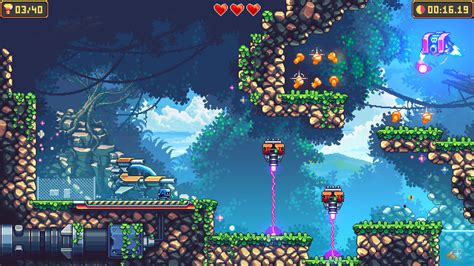
The independent game development scene is a vibrant, bustling ecosystem, overflowing with creativity, passion, and innovation. However, this very abundance presents a unique challenge: how does one, amidst the constant influx of new releases, distinguish the groundbreaking from the derivative, the genuine hidden gem from the well-intentioned but ultimately forgettable? The “indie noise” can be overwhelming, making the quest for overlooked masterpieces feel like searching for a needle in a digital haystack. But fear not, intrepid explorer of digital worlds, for there are effective strategies to streamline your search and quickly unearth those special titles that truly resonate.
Embrace the Power of Curation and Community
One of the most efficient ways to cut through the noise is to lean on established curators and active communities. Platforms like Steam feature user-driven curator groups, many of which specialize in specific genres, styles, or even “hidden gems.” Look for curators with a strong track record of identifying quality and whose tastes align with yours. Beyond Steam, explore dedicated subreddits such as r/Games, r/IndieGaming, or r/Gamingsuggestions, where passionate players frequently share their latest discoveries and insights. Websites like itch.io, known for its developer-friendly approach, also host numerous curated collections and bundles that often highlight lesser-known titles.

Follow the Right Voices and Journalists
Just as in other creative industries, there are journalists, critics, and content creators who dedicate themselves to championing independent games. Seek out podcasts, YouTube channels, and websites that consistently review or feature indie titles. These voices often possess a keen eye for innovative mechanics, compelling narratives, and unique artistic visions that might otherwise slip under the mainstream radar. Platforms like Twitter and Mastodon can also be invaluable for following individual indie developers and smaller studios, offering a direct line to upcoming projects and early insights.
Prioritize Demos, Game Jams, and Early Access
Many indie developers offer free demos or participate in game jams (timed game development events) that provide a glimpse into their creative potential. Playing these short experiences is a fantastic, low-commitment way to gauge if a game’s core mechanics or atmosphere appeals to you. Similarly, keep an eye on Early Access titles, but exercise caution. While some become polished gems, others languish. Focus on developers with clear roadmaps, consistent updates, and transparent communication, as these are often indicators of genuine commitment and quality.
Key Indicators of a Potential Gem
Once you’ve found a potential candidate, how do you quickly assess its quality? Look for these critical signs:
Unique Concept or Mechanic
Does the game offer a fresh twist on an existing genre, or introduce an entirely new gameplay loop? Innovation is often a hallmark of memorable indie titles. Even if the graphics are simple, a clever core idea can elevate a game far beyond its production values.

Developer Passion and Communication
Check the developer’s presence online. Are they active on social media? Do they engage with their community? Transparent and passionate developers often pour their heart and soul into their projects, leading to higher quality and better post-launch support. A well-maintained dev blog or active Discord server can be a very positive sign.
Cohesive Art Style and Sound Design
While AAA production values are often out of reach for indie studios, a strong, cohesive art style (whether pixel art, minimalist, or hand-drawn) coupled with fitting sound design can greatly enhance the experience. Even simple visuals can be incredibly effective when executed with intention and consistency.

Early Player Impressions and Thoughtful Feedback
Don’t just look at aggregate review scores; read a few detailed reviews. Are players genuinely enthusiastic about specific aspects, or are they just giving a generic thumbs-up? Look for feedback that discusses the game’s unique qualities, potential, and developer responsiveness. Be wary of games with only superficial praise or a high volume of copy-pasted reviews.

Conclusion: The Art of Deliberate Exploration
Finding indie hidden gems quickly isn’t about sheer luck; it’s about adopting a strategic and informed approach. By leveraging the insights of curators and communities, following dedicated critics, actively exploring demos, and understanding what truly signals quality, you can significantly reduce the time spent wading through the “noise.” Embrace the hunt, trust your instincts, and prepare to discover your next favorite game, waiting just beyond the well-trodden paths.