How to set healthy gaming screen time limits and pick age-appropriate titles?
In today’s digital age, video games are an undeniable part of many children’s lives. While gaming can offer numerous benefits, from cognitive development to social interaction, navigating its complexities – specifically setting healthy screen time limits and choosing age-appropriate titles – can be a significant challenge for parents. Striking the right balance is crucial for fostering healthy digital habits and ensuring a positive gaming experience.
Why Healthy Gaming Habits Matter
Excessive screen time, regardless of the activity, can impact a child’s physical health (sleep disruption, eye strain, sedentary lifestyle) and mental well-being (anxiety, aggression, difficulty focusing). Furthermore, exposure to games not suitable for their age can introduce inappropriate themes, violence, or complex concepts they aren’t ready to process. Therefore, parental involvement is key to guiding children through the gaming world safely and constructively.

Setting Healthy Screen Time Limits
- Establish Clear Family Rules: Work with your children to set reasonable limits. The American Academy of Pediatrics (AAP) suggests different guidelines based on age, but flexibility is important. For school-aged children and adolescents, focus on ensuring screen time doesn’t displace essential activities like sleep, physical activity, and homework.
- Use Timers and Parental Controls: Many gaming consoles, PCs, and mobile devices offer built-in parental controls to manage screen time automatically. Utilize these tools to enforce the limits you’ve agreed upon.
- Create “Screen-Free” Zones and Times: Designate certain times (e.g., during meals, an hour before bedtime) and places (e.g., bedrooms) as screen-free to encourage other activities and improve sleep hygiene.
- Encourage Alternative Activities: Ensure there’s a good balance. Promote outdoor play, reading, creative hobbies, and family time. Gaming should be one of many interests, not the sole focus.

Picking Age-Appropriate Gaming Titles
Just as you wouldn’t let a young child watch an R-rated movie, game selection requires careful consideration. Here’s how to ensure the games your children play align with their developmental stage:
- Understand Rating Systems: Familiarize yourself with gaming rating systems like ESRB (Entertainment Software Rating Board) in North America, PEGI (Pan European Game Information) in Europe, or similar systems in your region. These ratings provide age recommendations and content descriptors (e.g., violence, language, crude humor).
- Research Before Buying/Downloading: Don’t rely solely on the box art or an influencer’s recommendation. Read reviews from reputable sources (e.g., Common Sense Media, game review sites) and watch gameplay videos to get a sense of the content.
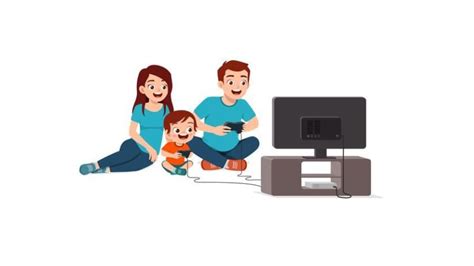
- Play Together: The best way to understand a game is to experience it. Playing with your child not only helps you assess its appropriateness but also provides a great opportunity for bonding and discussion.
- Look for Educational or Positive Content: Many games offer more than just entertainment; they can foster problem-solving skills, creativity, and teamwork. Seek out titles that align with these positive outcomes.

Communication, Consistency, and Leading by Example
Setting limits and picking games is only half the battle; effective implementation requires ongoing effort:
- Talk to Your Kids: Explain why these rules are in place. Help them understand the benefits of balanced screen time and the reasons behind age restrictions. Open communication fosters trust and cooperation.
- Be Consistent: Rules are most effective when applied consistently. Deviating frequently sends mixed signals and makes enforcement harder in the long run.
- Lead by Example: Children often mirror their parents’ behavior. Model healthy screen habits yourself. Put away your phone during family time, engage in non-screen activities, and manage your own digital consumption.
- Stay Involved: The gaming world evolves rapidly. Stay informed about new games, trends, and potential challenges. Regularly check in with your children about their gaming experiences.
Conclusion
Managing children’s gaming screen time and ensuring they play age-appropriate titles is a continuous journey that demands active parental involvement. By setting clear boundaries, utilizing available tools, researching games, and maintaining open communication, parents can transform gaming from a potential point of contention into a positive and enriching part of their child’s development. The goal isn’t to eliminate gaming but to integrate it into a balanced lifestyle that prioritizes overall well-being.