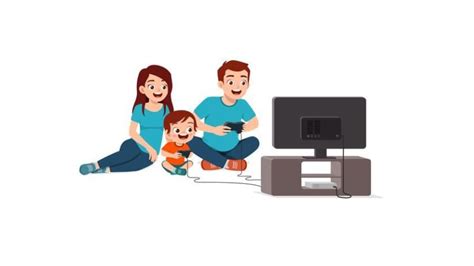
How to set healthy gaming screen time boundaries for kids?

The Importance of Balanced Gaming for Children
In today’s digital age, video games are an undeniable part of many children’s lives. While gaming can offer numerous benefits, from problem-solving skills to social interaction, excessive screen time can lead to a host of issues, including sleep disturbances, behavioral problems, and reduced physical activity. Setting healthy boundaries isn’t about forbidding games; it’s about fostering a balanced approach that supports your child’s overall well-being.

Start with Open Communication
The most effective screen time boundaries are often those developed collaboratively. Involve your children in the discussion about why limits are necessary and what those limits should look like. This fosters a sense of ownership and makes them more likely to adhere to the rules. Explain the benefits of balance – more time for hobbies, friends, schoolwork, and outdoor play.
Discuss the potential downsides of too much gaming, such as eye strain, missed sleep, or neglecting other responsibilities. Frame it as a family decision aimed at ensuring everyone is healthy and happy.
Establish Clear and Consistent Rules
Once you’ve had a conversation, it’s crucial to set specific, measurable, achievable, relevant, and time-bound (SMART) rules. This could mean a set number of hours per day or week, designated gaming times, or linking screen time to completed chores or homework.
- Time Limits: Decide on a reasonable daily or weekly allowance. Consider using timers.
- Time of Day Restrictions: No gaming an hour before bedtime to avoid sleep disruption.
- Location: Keep gaming in common areas of the house, not bedrooms.
- Content Guidelines: Discuss age-appropriate games and online interactions.

Utilize Parental Control Tools
Many gaming consoles, computers, and mobile devices come equipped with built-in parental control features. These tools can help enforce the boundaries you’ve set, such as limiting play time, restricting access to certain content, or managing in-game purchases. Familiarize yourself with these settings and configure them according to your family’s agreed-upon rules.
Consider third-party apps if your device’s native controls aren’t sufficient. These tools can provide detailed reports on usage and allow for remote management, offering an extra layer of support in maintaining consistency.
Encourage Alternative Activities
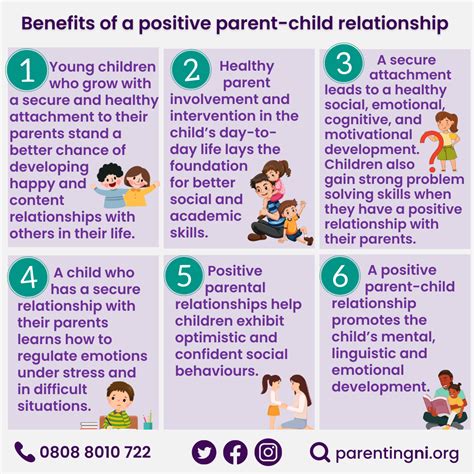
Screen time doesn’t exist in a vacuum. To effectively reduce gaming hours, you need to offer engaging alternatives. Encourage participation in sports, creative arts, reading, board games, or simply spending time outdoors. Schedule family activities that don’t involve screens to demonstrate the joy of real-world interactions and experiences.
Help your children discover new passions and hobbies. This not only fills the void left by reduced screen time but also contributes significantly to their physical, social, and emotional development.

Model Healthy Digital Habits
Children learn by observing. If you’re constantly glued to your phone or spending hours on your own screen, it will be challenging to enforce limits on your child. Practice what you preach. Set your own screen time boundaries, put away devices during family meals, and engage in screen-free activities alongside your children.
Show them that there’s a rich and fulfilling life beyond screens. This parental modeling is one of the most powerful tools you have in shaping your child’s digital habits.
![Black History Family Vacations | [site:name] | Essence](/images/aHR0cHM6Ly90czEubW0uYmluZy5uZXQvdGg/aWQ9T0lQLm1zUE00X1FzaG5WODVhUWMxaEhJN0FIYUU4JnBpZD0xNS4x.webp)
Be Consistent, Yet Flexible
Consistency is key to the success of any boundary-setting strategy. Stick to the agreed-upon rules as much as possible, as occasional exceptions can quickly undermine the entire system. However, life isn’t always rigid, and there might be times when flexibility is appropriate – for example, during a long family trip or a special event.
Communicate any changes beforehand and ensure they are understood as exceptions, not the new norm. Regularly review and adjust your family’s screen time plan as your children grow and their needs evolve.
Conclusion
Setting healthy gaming screen time boundaries for kids is an ongoing process that requires communication, consistency, and a willingness to adapt. By taking a proactive approach, involving your children, and modeling good habits, you can help them develop a balanced relationship with technology, ensuring they reap the benefits of gaming without sacrificing their overall well-being. The goal is not to eliminate gaming, but to integrate it healthily into a well-rounded life.