How to set healthy gaming limits for kids without battles over screen time?

Navigating children’s gaming habits can often feel like a constant tug-of-war for parents. The allure of digital worlds is strong, and establishing boundaries without sparking full-blown screen time battles is a challenge many families face. This article aims to equip parents with strategies to set healthy, sustainable gaming limits that foster cooperation rather than conflict.
Understanding the Gaming Appeal and Parental Concerns
Before diving into solutions, it’s crucial to acknowledge why gaming is so appealing to kids and why parents are concerned. For children, games offer entertainment, social connection, problem-solving opportunities, and a sense of accomplishment. Parents, on the other hand, worry about excessive screen time impacting sleep, academic performance, physical activity, and social development. Bridging this gap in understanding is the first step towards a peaceful resolution.
Shifting from Control to Collaboration
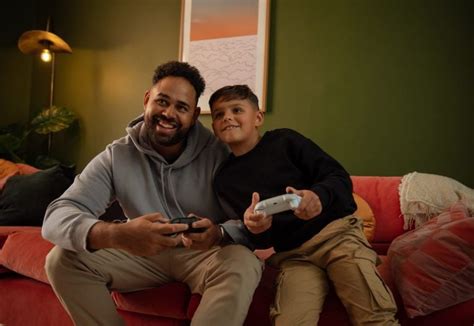
The traditional approach of simply imposing rules often leads to resistance. Kids feel unheard and controlled, prompting them to push back. A more effective strategy involves shifting from an authoritarian stance to one of collaboration and mutual understanding. This means involving your child in the process of setting limits, giving them a sense of ownership and responsibility.
1. Involve Your Child in the Discussion
Instead of announcing new rules, initiate a conversation. Ask your child what they enjoy about gaming, what challenges they face, and what they think would be fair limits. Listen actively to their perspectives without judgment. This validates their feelings and makes them more receptive to compromise.
2. Establish Clear and Consistent Expectations
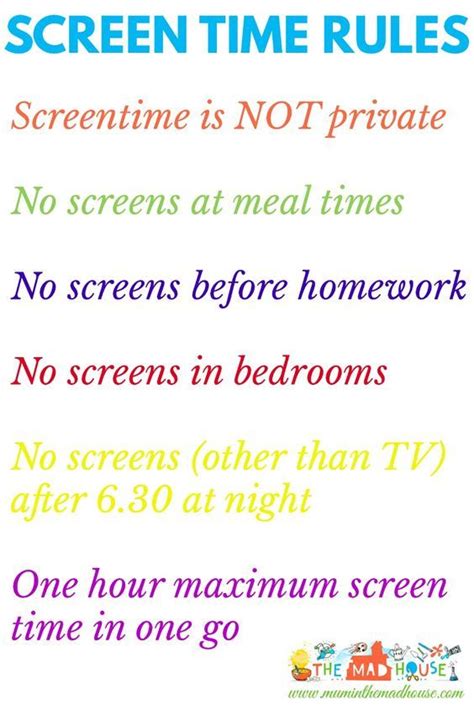
Once you’ve had a discussion, work together to define clear, measurable, and reasonable limits. These should cover:
- When: Specific times of day or days of the week gaming is allowed.
- How long: Daily or weekly time allowances.
- What: Acceptable games or content.
- Where: Designated gaming areas (e.g., in a common family space).
- Consequences: What happens if limits are not met (discussed and agreed upon beforehand).
Write these rules down and post them visibly. Consistency is key; stick to the agreed-upon limits even when it’s inconvenient.
3. Understand the “Why” Behind Their Gaming
Sometimes, excessive gaming is a symptom of an underlying need. Are they seeking social connection? Escaping stress? Feeling bored? Try to identify these needs and explore alternative ways to fulfill them. If they love the social aspect, encourage real-life meetups or group activities. If it’s a sense of achievement, introduce them to new hobbies or sports where they can build skills.
Leveraging Tools and Alternatives Effectively
4. Utilize Parental Control Tools Wisely
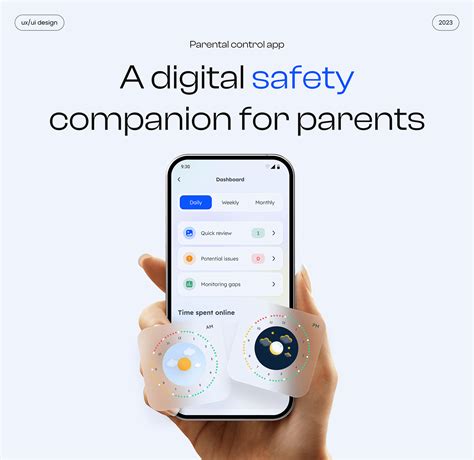
Parental control apps and console settings can be powerful allies, but they should be used as tools to enforce agreed-upon limits, not as a secret weapon. Be transparent with your child about their use. For example, “We’ve agreed on 90 minutes of gaming, and this app helps us track that time fairly.” This maintains trust and prevents them from seeing the tools as punitive.
5. Offer Engaging Alternatives
If gaming is the only exciting option, it’s hard to pull away. Provide appealing alternatives that cater to their interests. This could include:
- Family board game nights
- Outdoor activities (hiking, biking, sports)
- Creative pursuits (art, music, writing)
- Reading books or listening to audio stories
- Volunteering or community involvement
Make these alternatives as attractive and readily available as gaming.
6. Model Healthy Digital Habits
Children are keen observers. If they see you constantly glued to your phone or laptop, your message about screen limits will lose its impact. Demonstrate healthy screen habits yourself. Put away your devices during family meals, dedicate time to device-free activities, and talk openly about your own strategies for managing digital use.

Focusing on Quality Over Quantity
It’s not just about how much time they spend gaming, but also the quality of that time. Encourage games that are educational, promote critical thinking, or involve physical activity (e.g., active console games). Discuss the content of their games with them – what did they learn? What challenges did they overcome? This helps them to be more mindful of their gaming choices.

Conclusion: Building a Foundation of Trust
Setting healthy gaming limits without battles is an ongoing process that requires patience, communication, and adaptability. By involving your children in decision-making, setting clear expectations, offering engaging alternatives, and modeling responsible digital behavior, you can transform screen time struggles into opportunities for growth and understanding. The goal isn’t to eliminate gaming, but to integrate it into a balanced lifestyle that prioritizes well-being, learning, and strong family relationships.