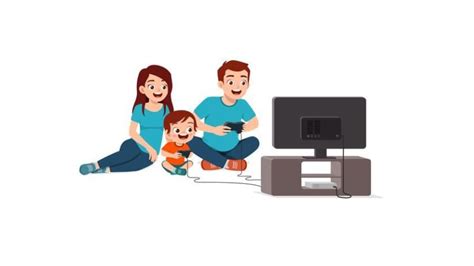
How to set healthy daily gaming screen time limits for kids?

Navigating the Digital Playground: Why Limits Matter
In today’s digital age, video games have become an undeniable part of many children’s lives. While gaming can offer benefits like problem-solving skills and social interaction, excessive screen time can lead to various issues, including sleep disturbances, reduced physical activity, and academic struggles. For parents, striking the right balance between allowing their kids to enjoy gaming and ensuring their overall well-being is a critical challenge. Setting healthy daily gaming screen time limits isn’t about outright banning games; it’s about fostering responsible digital habits from a young age.

Understanding Expert Recommendations
While there’s no universal magic number, various health organizations offer guidelines for screen time based on age. For instance, the American Academy of Pediatrics (AAP) suggests avoiding digital media (other than video chatting) for children under 18-24 months and limiting screen use for preschoolers (2-5 years) to 1 hour per day of high-quality programming co-viewed with a parent. For school-aged children and adolescents, the focus shifts to ensuring screen time doesn’t displace essential activities like sleep, physical activity, homework, and family interaction.
It’s crucial to remember that these are guidelines, not strict rules. Every child is different, and the quality of screen time (educational vs. passive) also plays a significant role. The goal is a balanced approach that considers your child’s individual needs and development.

Practical Strategies for Setting Effective Limits
1. Communicate and Collaborate
Instead of imposing rules unilaterally, involve your children in the discussion. Explain why limits are necessary – focusing on their well-being, health, and other fun activities. Work together to establish boundaries that they understand and can contribute to. This fosters a sense of ownership and makes them more likely to adhere to the rules.

2. Consistency is Key
Once limits are set, stick to them. Inconsistency can send mixed messages and lead to arguments. Both parents (if applicable) should be on the same page and enforce the rules uniformly. Establishing a predictable routine helps children internalize the boundaries.
3. Create a Schedule or “Tech-Free” Zones
Integrate gaming time into a daily schedule. Perhaps after homework is done, or during specific free time slots. Consider implementing “tech-free” zones, such as the dinner table or bedrooms, and “tech-free” times, like an hour before bedtime, to promote sleep hygiene.
4. Utilize Parental Control Tools
Most gaming consoles, computers, and mobile devices offer built-in parental controls. These tools can automatically enforce time limits, block inappropriate content, and monitor usage. Familiarize yourself with these features and use them to support your agreed-upon limits, reducing the burden of constant supervision.

5. Balance with Other Activities
Gaming should be just one component of a child’s day. Encourage and facilitate participation in a wide range of activities: outdoor play, reading, creative arts, sports, and social interactions with friends offline. Offering compelling alternatives can make screen time limits less restrictive and more about choosing diverse forms of engagement.

Addressing Common Challenges
Dealing with Resistance and Meltdowns
Expect some pushback, especially initially. When limits are reached, provide a five or ten-minute warning before it’s time to stop. Be firm but empathetic. Acknowledge their frustration without giving in. Redirect their energy to the next activity. Consistency over time will reduce these incidents.
Flexibility and Age-Appropriateness
As children grow, their needs and interests change. What works for a 7-year-old might not be suitable for a 14-year-old. Be prepared to revisit and adjust your screen time rules as your child matures, allowing for more autonomy where appropriate while still maintaining oversight.
Leading by Example
Children are keen observers. If you’re constantly glued to your phone or TV, it’s harder to preach moderation. Model healthy tech habits yourself. Put away your devices during family meals, engage in non-screen activities, and show them that there’s a rich world beyond screens.
Conclusion: Fostering a Balanced Digital Life
Setting healthy daily gaming screen time limits for kids is an ongoing process that requires patience, communication, and adaptability. By establishing clear boundaries, using available tools, and promoting a diverse range of activities, parents can help their children develop responsible digital habits that contribute to their overall health, happiness, and success both online and offline. The goal is not to eliminate gaming, but to integrate it mindfully into a balanced and fulfilling childhood.