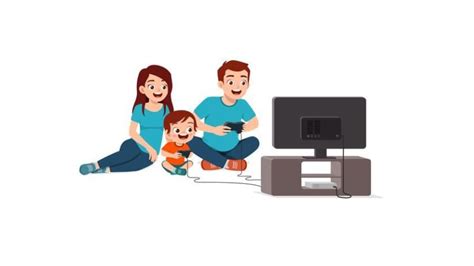
How to set healthy daily gaming limits for kids’ screen time?

The Digital Balancing Act: Why Limits Matter
In today’s digitally saturated world, video games are an undeniable part of many children’s lives. While gaming can offer numerous benefits—from problem-solving skills and creativity to social interaction—unregulated screen time can lead to potential drawbacks. Excessive gaming may impact academic performance, sleep patterns, physical activity, and social development. Setting clear, healthy limits isn’t about deprivation; it’s about fostering a balanced lifestyle where gaming complements, rather than dominates, a child’s day.

Open Communication: Engaging Your Child in the Process
The most effective screen time rules are often those developed collaboratively. Involving your child in the discussion about gaming limits helps them understand the rationale behind the rules and gives them a sense of ownership. Start by discussing the importance of balance, talking about their gaming interests, and listening to their perspective. This collaborative approach fosters trust and increases the likelihood of adherence.
Practical Strategies for Setting Limits
Time-Based Limits
One of the most straightforward ways to manage gaming is through time limits. The American Academy of Pediatrics recommends no more than 1-2 hours of screen time daily for children aged 6 and older, though this can vary based on individual needs and activities. Consider:
- Daily/Weekly Allowances: Set a specific number of minutes or hours per day or per week. A weekly allowance can offer more flexibility, allowing a child to manage their time across days.
- Game-Specific Time: If certain games are more engaging or problematic, consider setting limits for those specifically.
- Timers and Alarms: Use kitchen timers, phone alarms, or in-game notifications to signal when gaming time is nearing its end.
Content and Context Limits
Beyond just time, consider the ‘what’ and ‘when’ of gaming:
- Age-Appropriate Content: Ensure games align with ESRB ratings and your family’s values.
- Device-Free Zones: Designate certain areas, like bedrooms (especially at night) or dining tables, as screen-free zones.
- Screen-Free Times: Implement rules like “no gaming before homework is done,” “no gaming an hour before bedtime,” or “gaming only after outdoor play.”
Tools and Tech to Aid Enforcement
Many devices and platforms offer built-in parental controls that can help enforce limits:
- Console Settings: PlayStation, Xbox, Nintendo Switch all have robust parental control options to set time limits, content restrictions, and spending limits.
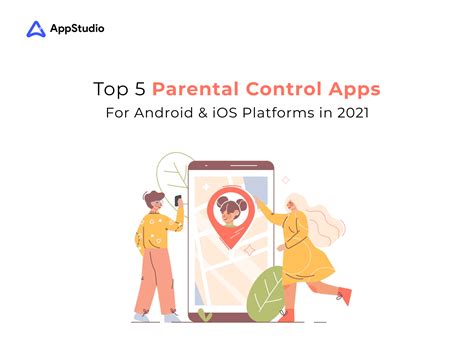
- Operating System Controls: Apple’s Screen Time and Google’s Family Link allow parents to manage app usage, set downtime, and monitor activity across devices.
- Router Controls: Some Wi-Fi routers allow you to schedule internet access for specific devices.
- Third-Party Apps: Apps like OurPact, Qustodio, or Bark offer comprehensive solutions for managing screen time across multiple devices.
Consistency and Modeling: Key to Success
The rules you set are only as effective as their consistent application. Be firm but fair, and avoid making exceptions unless absolutely necessary and clearly communicated. Furthermore, children often learn by observing. Model healthy screen habits yourself by putting your phone away during family meals, engaging in non-screen activities, and demonstrating digital moderation.

Beyond the Screen: Encouraging Other Activities
A crucial part of setting gaming limits is ensuring there are appealing alternatives. Encourage participation in a wide range of activities:
- Outdoor Play: Promote sports, bike riding, park visits, or simply playing in the yard.
- Hobbies and Creative Pursuits: Introduce musical instruments, art projects, reading, or building kits.
- Family Time: Plan family outings, board game nights, cooking together, or shared reading.
Troubleshooting and Flexibility
There will inevitably be times when rules are tested or broken. Address these situations calmly, reinforcing the established boundaries and consequences. Remember that flexibility is also important; as children grow and their needs change, revisit and adjust limits together. The goal is to teach self-regulation, not just to impose restrictions.

By implementing a thoughtful and consistent approach to gaming limits, parents can help their children develop a healthy relationship with technology, ensuring they benefit from the digital world without sacrificing essential aspects of childhood development.