How to predict deep discounts on popular AAA & indie games?
For gamers, few things beat the thrill of snagging a highly anticipated title or a beloved classic at a fraction of its original price. Deep discounts on popular AAA and indie games aren’t just a treat; they’re a strategic way to expand your library without breaking the bank. But how do you know when and where these elusive deals will appear? While it might seem like a dark art, predicting game discounts is a skill you can master with a bit of insight and the right tools.
Understanding the Sales Landscape
The gaming world operates on a predictable calendar of major sales events. Platforms like Steam, Epic Games Store, PlayStation Store, and Xbox typically host massive seasonal sales: think Steam’s Summer, Autumn, Winter, and Spring Sales, or Epic’s Mega Sale. These are prime opportunities, often offering the deepest cuts on a vast selection of titles. Beyond these giants, look out for holiday-specific sales (Halloween, Black Friday, Christmas/New Year) and publisher-specific promotions that rotate throughout the year, targeting their own catalogs.
Additionally, game anniversaries or major gaming conventions (like E3, Gamescom, or The Game Awards) often trigger flash sales or special discounts on related titles. Keeping an eye on these recurring events is your first step towards foresight.
Leveraging Price Tracking Tools
One of the most powerful weapons in a discount hunter’s arsenal is the price tracking website. Services like IsThereAnyDeal, SteamDB, GG.deals, and Epic Games Store’s own “Price History” features provide invaluable data. These sites track historical prices across various storefronts, allowing you to see a game’s lowest recorded price, its average discount percentage, and how frequently it goes on sale. By analyzing these trends, you can often predict when a game is likely to hit a similar low again.
Don’t underestimate the power of your platform’s wishlist, either. Most digital storefronts, including Steam, Epic, PlayStation, and Xbox, will notify you via email when a game on your wishlist goes on sale. Populate your wishlist with every game that catches your eye, and let the system do some of the heavy lifting for you.
Decoding Sales Patterns
While every game is different, certain patterns emerge. AAA titles, especially blockbuster releases, often see their first significant discount (around 20-30%) roughly 3-6 months after launch. Deeper discounts (50% or more) typically follow after 9-12 months, and sometimes even longer, especially for critically acclaimed or consistently popular titles. Indie games, conversely, might see quicker, deeper sales, sometimes even within weeks of release, particularly if they are part of a publisher’s broader sale.
Keep an eye out for game-of-the-year editions or complete bundles. These often include the base game and all its DLCs at a price that, when discounted, can be significantly cheaper than buying the base game and DLCs separately, even if they’re all on sale. Finally, games tend to hit a “price floor” – a lowest recorded price that they frequently return to during major sales. Once a game hits this floor, it’s a good bet it will return there during future events.

Strategic Shopping Habits for Maximum Savings
Patience is, perhaps, the most crucial virtue for discount prediction. Unless you absolutely need to play a game on day one, waiting just a few months can save you a substantial amount. Resist the urge to buy at full price, especially for single-player experiences that won’t lose relevance over time.
Beyond individual game sales, keep an eye on curated bundles from sites like Humble Bundle and Fanatical. These often package several high-quality games (sometimes including AAA titles, but more frequently indie gems) for an incredibly low price, offering tremendous value for money and a great way to discover new favorites.

Indie Games vs. AAA Titles: Nuanced Approaches
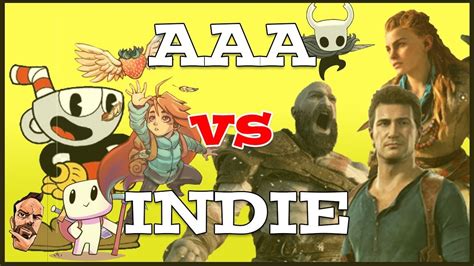
While the general principles apply, there are subtle differences in predicting discounts for indie versus AAA games. Indie games, often developed by smaller teams, might use sales as a primary marketing tool. They can appear in bundles more frequently, and their discount cycles can be less rigid, sometimes reacting to community feedback or specific streaming events. Discounts on Early Access indie titles are also common, incentivizing players to jump in during development.
AAA titles, backed by larger publishers, tend to adhere more strictly to the major seasonal and holiday sales. Their first discounts are often more modest, gradually deepening over time. Understanding these slight differences can help you tailor your prediction strategy, whether you’re hunting for the next big blockbuster or a hidden indie gem.
Mastering the art of predicting deep game discounts is a blend of research, patience, and strategic planning. By utilizing price tracking tools, understanding sales calendars, and recognizing pricing patterns, you can significantly reduce your gaming expenses and build an impressive library without overspending. Happy hunting, and may your wishlists always be on sale!