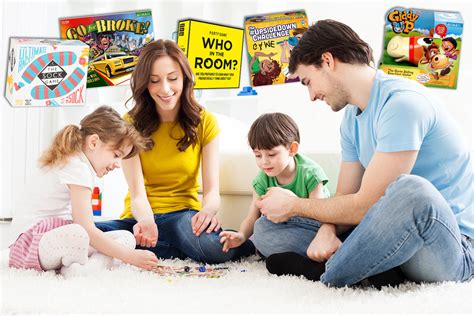
How to pick cozy family games that truly engage all ages & non-gamers?

The Quest for Universal Fun: Engaging Everyone at Game Night
Picture this: a cozy evening, everyone gathered around the table, ready for a game. But then, the familiar challenge arises. How do you find a game that genuinely captivates your fidgety toddler, your skeptical teenager, your competitive spouse, and your non-gamer parent, all at once? The magic of a truly successful family game night lies in selecting games that transcend age gaps and gaming preferences, fostering connection rather than competition or boredom. It’s about creating an atmosphere where laughter is abundant and everyone feels like an active participant.

Defining “Cozy” and “Family-Friendly” Games
Before diving into selection strategies, let’s clarify what we mean by a “cozy family game.” These aren’t just any games; they possess specific qualities that make them ideal for inclusive play:
- Low Pressure, High Enjoyment: The focus is on shared experience, not intense competition or complex strategies. Losing should feel light, winning should feel fun for everyone.
- Accessible Rules: Easy to learn, quick to teach, and intuitive to play. Minimal setup and teardown also contribute to coziness.
- Encourages Interaction: Games that promote conversation, collaboration, or light-hearted teasing are perfect. Solo play within a group defeats the purpose.
- Forgiving Mechanics: Mistakes shouldn’t lead to immediate elimination or hours of disadvantage. Everyone should feel like they have a chance throughout the game.
Strategies for Engaging All Ages: Bridging the Generational Gap
The key to multi-generational appeal often lies in a game’s design:
Simplicity with Strategic Depth
Look for games with core rules that are easy enough for a 5-year-old to grasp, but offer enough emergent strategy or interesting decisions to keep adults entertained. Think games like Ticket to Ride, Sushi Go!, or Azul, where actions are simple but consequences require thought.
Cooperative Over Purely Competitive Options
Cooperative games, where everyone works together against the game itself, are fantastic for families. They eliminate direct player conflict, fostering teamwork and shared victories (or defeats!). Games like Pandemic (for older kids/adults), Forbidden Island, or even many escape room-style games can be brilliant for this.
Themes That Resonate Universally
Choose themes that are broadly appealing rather than niche. Cute animals, nature, building, storytelling, or light fantasy elements often work better than complex sci-fi or intense war themes. A whimsical art style can also draw people in.
Flexible Playtime and Quick Rounds
Long games can lose younger players’ attention and overwhelm non-gamers. Opt for games with shorter playtimes (30-60 minutes) or those that can be easily paused and resumed. Games with quick individual turns also keep everyone engaged.

Welcoming Non-Gamers to the Table with Open Arms
Engaging those who claim not to enjoy games requires a slightly different approach:
Lower the Barrier to Entry
Start with games that use familiar mechanics. Classic card games (like Uno, Rummy, or even simple poker variants), trivia games, or drawing games often feel less intimidating than complex board games. Party games designed for social interaction are also excellent entry points.
Focus on the Experience, Not the Win
Emphasize that the goal is to spend time together, laugh, and create memories, not necessarily to win. Acknowledge and celebrate funny moments, clever plays, or unexpected outcomes, regardless of who is ahead.
Be a Gentle Guide, Not a Drill Sergeant
When teaching, be patient and encouraging. Break down rules into small, digestible chunks. Play a round or two with open hands or offer advice for the first few turns to help them grasp the flow. Avoid overwhelming them with all the rules at once.

Key Characteristics to Look For in Your Game Search
- No Player Elimination: Everyone stays in the game until the very end, preventing anyone from feeling left out or bored.
- High Interaction, Low Downtime: Players should be frequently engaged, even when it’s not their turn. This could be through observation, anticipating moves, or reacting to others.
- Beautiful Components (Bonus!): While not essential, attractive game pieces, vivid artwork, or tactile elements can draw people in and enhance the cozy atmosphere.
- Scalable Player Counts: Games that play well with a wide range of player numbers are more versatile for different family gatherings.

Putting It Into Practice: Your Game Night Toolkit
Building a collection of beloved family games takes time and experimentation. Start with one or two games that tick most of these boxes. Observe what your family enjoys most: strategy, luck, storytelling, or silliness? Don’t be afraid to introduce house rules to make a game more accessible or to speed it up. The ultimate goal is to find activities that everyone genuinely looks forward to, creating traditions and cherished moments of togetherness.
By thoughtfully considering game mechanics, themes, and how they cater to various age groups and gaming comfort levels, you can transform your family game nights from a potential chore into a highlight of your shared time. The perfect cozy family game isn’t just a game; it’s a vehicle for connection, laughter, and lasting memories.