How to pick cozy family games that engage kids (5-12) & avoid arguments?
Unlocking Joy: The Art of Picking Cozy Family Games
Family game nights are a cherished tradition for many, offering a wonderful opportunity to connect, laugh, and create lasting memories. However, finding games that genuinely engage kids aged 5-12—a broad and evolving age range—while also minimizing the inevitable sibling squabbles or meltdowns, can feel like a quest. The good news is, with a little strategy, you can transform game time into a consistently cozy and conflict-free experience for everyone.
The key lies in understanding what makes a game “cozy” for your family and what factors lead to engagement without escalating tensions. It’s about more than just the game itself; it’s about the atmosphere, the expectations, and the approach to play.

Understanding the 5-12 Age Spectrum
This age range spans significant developmental changes. A 5-year-old might thrive on simple luck-based games or cooperative play, while a 12-year-old craves strategy and a sense of agency. A successful game collection will likely include options that cater to different ends of this spectrum, or versatile games with scalable difficulty.
- Ages 5-7: Focus on quick play, simple rules, minimal reading, and visible components. Cooperative games or those with a strong element of luck work well.
- Ages 8-10: Kids can handle more complex rules, basic strategy, and some reading. Light competitive games with clear objectives become engaging.
- Ages 11-12: Interest in deeper strategy, problem-solving, and more abstract concepts grows. They might enjoy longer games and more intricate mechanics.
Key Considerations for Game Selection
Before you dive into the sea of board games, consider these factors to ensure your picks hit the mark:
1. Age Appropriateness & Skill Level
Always check the recommended age on the box, but also consider your child’s individual maturity and attention span. A game too simple will bore, one too complex will frustrate. Look for games that offer a gentle learning curve.
2. Cooperation vs. Competition
While competition can be healthy, cooperative games are excellent for fostering teamwork and reducing arguments, especially with younger children or families prone to conflict. Everyone works together towards a common goal against the game itself.

3. Playtime & Setup
Long setup times or games that drag on for hours can diminish the fun, especially for younger players. Aim for games that fit comfortably into your family’s schedule and attention spans, typically 20-60 minutes for this age group.
4. Replayability & Theme
Does the game offer enough variety to be played repeatedly? Is the theme engaging for your family? A captivating theme can draw kids in even if the mechanics are slightly challenging.
Strategies for Argument-Free Play
Even the perfect game can lead to squabbles if not managed properly. Here’s how to create a harmonious gaming environment:
1. Set Clear Rules and Expectations
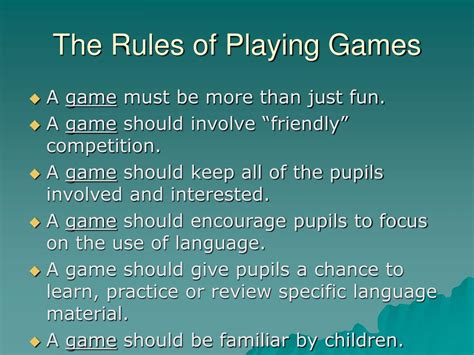
Before starting, quickly recap the main rules. Emphasize that the goal is fun and connection, not just winning. Discuss good sportsmanship upfront.
2. Emphasize Fun Over Winning
Parents should model this behavior. Celebrate good moves, laugh at mistakes, and focus on the shared experience. Avoid over-coaching or taking over a child’s turn.
3. Teach Good Sportsmanship
Winning graciously and losing with dignity are crucial life skills. Acknowledge frustrations but guide children to express them constructively. “Good game” is a powerful phrase for both winners and losers.
4. Take Breaks & Know When to Quit
If tension starts to rise, suggest a quick snack break or even agree to finish the game another time. It’s better to stop before a major meltdown than to force play to continue.
Making Game Night Truly “Cozy”
Beyond the game itself, the atmosphere plays a huge role in creating a cozy experience.
- Snacks and Drinks: Simple, easy-to-eat snacks and comforting drinks can enhance the experience.
- Comfort: Pillows, blankets, or even playing on a rug instead of a table can make things feel more relaxed.
- Music: Gentle background music can set a calm mood, just ensure it’s not distracting.
- Positive Reinforcement: Praise effort, teamwork, and good decision-making, not just winning.

Recommended Cozy & Engaging Game Examples
While specific recommendations depend on your family’s tastes, here are some widely loved games that often fit the bill for the 5-12 age range:
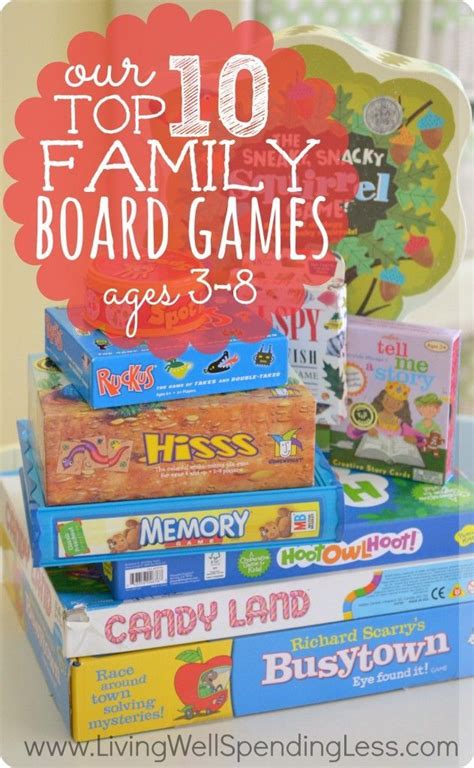
- Cooperative: Forbidden Island (8+), Pandemic Jr. (6+), Race to the Treasure! (5+)
- Light Strategy: Ticket to Ride: First Journey (6+), Catan Junior (6+), Sushi Go! (8+)
- Dexterity/Quick Fun: Jenga (6+), Uno (7+), Loopin’ Louie (4+)
Picking the right games and cultivating a positive environment can transform family game nights from a potential source of stress into a beloved ritual. Focus on connection, teach good sportsmanship, and most importantly, remember to have fun together. These shared moments are invaluable, building bonds and creating a treasure trove of cozy family memories that will last a lifetime.