How to navigate free mobile games and avoid predatory monetization?

Free-to-play (F2P) mobile games have revolutionized the gaming landscape, offering instant entertainment without an upfront cost. However, this accessibility often comes with a hidden catch: sophisticated monetization strategies designed to encourage in-app purchases (IAPs). While many F2P models are fair, some employ predatory tactics that can lead to frustration or unexpected spending. Understanding how to differentiate between these models is crucial for an enjoyable and financially responsible mobile gaming experience.
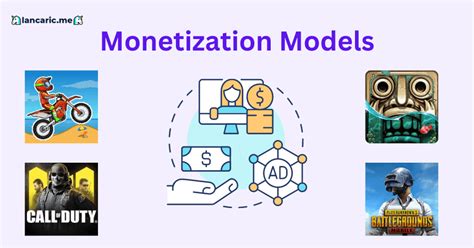
Understanding Common Monetization Models
Not all monetization is inherently predatory. Many developers use IAPs to fund development, servers, and ongoing content. The key is to recognize the difference between optional enhancements and essential paywalls.
- Cosmetics: Skins, emotes, and visual upgrades that don’t affect gameplay. Generally considered fair.
- Time Savers: Items or boosts that accelerate progress, reducing grind. Can be fair if the base grind isn’t excessively punitive.
- Convenience Items: Extra inventory slots, ad removal, or quality-of-life improvements. Often a good value.
- Gacha/Loot Boxes: Random chance mechanics where players spend money for a chance at rare items or characters. This model is often debated and can be highly addictive.
- Pay-to-Win (P2W): Items or upgrades that give a significant, often insurmountable, advantage to paying players over non-paying ones. This is typically considered predatory.
Identifying Predatory Tactics
Predatory monetization aims to exploit psychological biases and create artificial scarcity or frustration. Here are red flags to watch out for:
- Aggressive Pop-ups and Notifications: Constant reminders to buy, often appearing immediately after a loss or a moment of perceived need.
- Artificial Scarcity: Limited-time offers, “flash sales,” or events that pressure players to buy immediately.
- Energy Systems/Stamina Walls: Limiting playtime unless you pay to refill “energy.”
- Unreasonable Grind: Making progress excruciatingly slow or difficult without IAPs, effectively forcing players to pay to advance.
- Gambling Mechanics (Gacha): Highlighting rare wins while obscuring the incredibly low odds, preying on impulse and the “just one more pull” mentality.
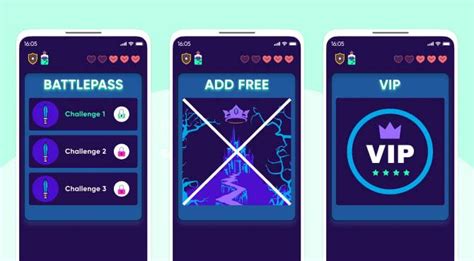
- Forced Advertisements: Ads that interrupt gameplay frequently, often with no option to skip or pay to remove them.
- Paywalls for Core Content: Locking essential game modes, characters, or story elements behind significant paywalls.
Strategies for Navigating F2P Games Wisely
1. Do Your Research
Before investing time (or money) into a new F2P game, look up reviews. Check what players are saying about the monetization model, particularly concerning pay-to-win elements or aggressive IAPs. Websites like Reddit, gaming forums, and app store reviews can be valuable resources.
2. Set Spending Limits (and Stick to Them)
If you decide to spend, define a strict budget beforehand. Treat in-game purchases like any other discretionary spending. Many app stores offer parental controls or spending limits that can help manage this.

3. Be Patient and Play Smarter
Many games are designed to be played for free, but they require patience. Take advantage of daily rewards, in-game events, and free currency generation. Learn the game mechanics that allow for efficient progression without spending.
4. Prioritize Value for Money
If you do decide to make a purchase, consider what offers the best value. Is it a one-time purchase that removes ads forever, or a recurring subscription for a small boost? Avoid impulse buys on gacha draws unless you are fully aware of the odds and are prepared to not get what you want.
5. Don’t Fall for Psychological Tricks
Be aware of how games try to manipulate you. The feeling of missing out (FOMO), the sunk cost fallacy (you’ve invested so much time, why not spend a little more?), and the “just one more try” mentality are common traps. Step away from the game if you feel pressured.
Conclusion
Free mobile games offer a fantastic source of entertainment, but they come with the responsibility of understanding their business models. By being informed, setting boundaries, and prioritizing value, players can enjoy the best of what F2P gaming has to offer without falling victim to predatory monetization. Play smart, play responsibly, and most importantly, have fun!