How to manage kid’s gaming screen time without conflict?

Navigating the Digital Playground with Peace
In today’s digital age, video games are an undeniable part of many children’s lives. While they offer entertainment, social connection, and even skill development, managing the amount of time kids spend gaming can often become a source of intense family conflict. Yelling matches, power struggles, and resentment are common when parents try to enforce limits. But what if there was a way to guide your child’s gaming habits without the constant battles? The key lies in proactive strategies, open communication, and mutual respect.
Instead of viewing screen time as an enemy, consider it an area where you can teach valuable self-regulation and healthy habit formation. The goal isn’t necessarily to eliminate gaming, but to integrate it into a balanced lifestyle. This approach helps children develop a healthier relationship with technology, fostering responsibility rather than rebellion.

Establish Clear Expectations Collaboratively
The foundation of conflict-free screen time management is involving your child in setting the rules. Sit down with them and discuss the ‘why’ behind the limits – brain development, physical activity, sleep, homework, and family time. When children feel heard and understand the rationale, they are more likely to comply.
- Create a Family Media Plan: This isn’t just about gaming. Discuss overall screen use, content, and daily limits. Include when and where screens are allowed.
- Agree on Time Limits: Work together to decide on reasonable daily or weekly gaming allowances. Visual timers can be helpful for younger kids to track their remaining time.
- Define Consequences: Clearly outline what happens if rules are broken, ensuring consequences are fair, consistent, and communicated in advance.
Leverage Technology for Support, Not Just Control
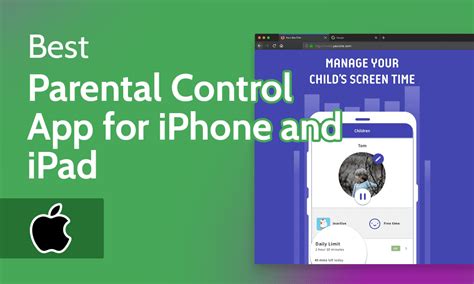
Parental control apps and console settings can be invaluable tools, not just for restricting access, but for teaching time management. They can help enforce agreed-upon limits without you having to be the constant ‘screen time police.’
Many gaming systems and smart devices offer built-in parental controls that allow you to set daily limits, scheduled downtime, and even restrict certain content. Use these features to automatically cut off gaming sessions when time is up, removing you from the role of the bad guy.
Prioritize Quality Over Quantity and Offer Alternatives
Not all screen time is created equal. Encourage games that promote critical thinking, creativity, or social interaction over purely passive or addictive experiences. Discuss the games your child enjoys and understand their appeal.
Crucially, ensure there are appealing alternatives to gaming. If a child feels like gaming is their only source of entertainment or social connection, removing it will naturally cause distress. Encourage and facilitate other interests:
- Outdoor play and sports
- Reading, creative writing, or art projects
- Board games and puzzles
- Music lessons or performing arts
- Socializing with friends in person

Be Consistent, Patient, and Lead by Example
Consistency is paramount. If rules are sometimes enforced and sometimes not, children will push boundaries. Be firm but kind, and follow through on agreed-upon consequences. Remember that changing habits takes time and patience, both for you and your child.
Finally, examine your own screen habits. Children are keen observers. If you’re constantly glued to your phone or TV, it sends a mixed message when you try to limit their screen time. Model the balanced digital lifestyle you wish to see in them. Designate screen-free zones and times within your home, such as during meals or before bed, for everyone.

Conclusion: Fostering Digital Balance and Family Harmony
Managing your child’s gaming screen time doesn’t have to be a battleground. By involving your child in setting boundaries, utilizing technological tools, offering engaging alternatives, and maintaining consistency, you can transform a potential source of conflict into an opportunity for teaching valuable life skills. The ultimate goal is to cultivate a healthy digital balance that supports your child’s overall well-being and strengthens family harmony, rather than eroding it with endless disputes.