How to manage in-game purchases without spoiling kids’ gaming fun?

Navigating the World of In-Game Purchases with Kids
In-game purchases have become an integral part of modern gaming, offering everything from cosmetic skins and extra lives to powerful upgrades. While they can enhance a child’s gaming experience, they also present a unique challenge for parents concerned about uncontrolled spending and teaching financial literacy. The key lies in finding a balance: allowing kids to enjoy their games fully while instilling healthy digital and financial habits.
This guide will help you set effective boundaries, utilize available tools, and communicate openly with your children to manage in-game purchases without dampening their gaming enthusiasm.

Understanding the Allure of In-Game Purchases
Before you can manage in-game purchases, it’s crucial to understand why they are so appealing, especially to children. Many games are designed to make these purchases seem small, often using virtual currencies or microtransactions that disconnect kids from the real monetary value. Peer pressure also plays a role, as children see their friends acquiring new items or characters, making them feel left out if they can’t do the same.
Furthermore, some purchases offer competitive advantages or simply make the game more enjoyable or easier, creating a strong incentive for kids to spend. Recognizing these psychological triggers can better equip parents to address the issue proactively.
Setting Clear Boundaries and Expectations
Open Communication is Key
The first step is always open and honest communication. Sit down with your child and explain your concerns about in-game spending. Discuss the concept of real money and how it translates to virtual items. Help them understand that these purchases are not free and have a financial impact on the family.
Establish clear rules together. Will there be a strict no-purchase policy? Will purchases be allowed under specific conditions? What is the family budget for gaming-related expenses?
Establish a Budget or Allowance
One of the most effective strategies is to give your child a dedicated budget or allowance specifically for in-game purchases. This teaches them about managing money, making choices, and understanding limits. They can decide whether to spend their allowance on one big item or save up for multiple smaller ones.
You might offer a weekly or monthly allowance. Alternatively, you could agree to co-fund certain purchases, where they contribute a portion, and you cover the rest, fostering a sense of shared responsibility.

Earning Privileges
Consider linking in-game purchases to chores, good grades, or other responsibilities. This approach transforms spending into an earned privilege rather than an entitlement. It reinforces the value of effort and teaches kids that money and desired items are acquired through work.
Leveraging Parental Control Tools
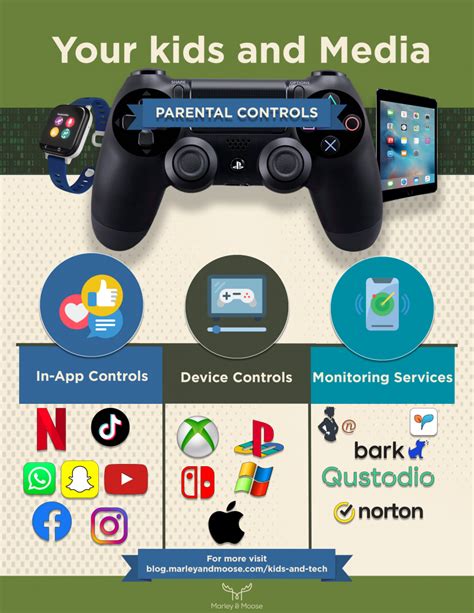
Most gaming platforms, consoles, and mobile devices offer robust parental control settings that can help manage and restrict in-game purchases. Familiarize yourself with these tools; they are your best allies in preventing unauthorized spending.
Password Protection
Always ensure that any accounts linked to payment methods require a password for every purchase. Do not share your password with your child, and make sure it’s not easily guessable. This simple step can prevent accidental or unauthorized spending.
Purchase Approvals and Spending Limits
Many platforms allow you to set specific spending limits for accounts or require parental approval for every transaction. For example, on consoles like PlayStation, Xbox, and Nintendo Switch, you can set up family accounts where children’s profiles require adult permission for purchases. Similarly, app stores like Apple’s App Store and Google Play offer options for ‘Ask to Buy’ or password protection for all transactions.
Educating Kids About Money and Value
Beyond simply restricting purchases, use this as an opportunity to teach valuable life lessons about money. Explain concepts like budgeting, saving, and opportunity cost – choosing to spend money on one thing means not having it for another.

Discuss the difference between needs and wants. Help them critically evaluate whether an in-game item provides long-term satisfaction or is just a fleeting desire spurred by marketing. Encourage them to research items, compare prices (if applicable), and make informed decisions.
Striking the Right Balance
Managing in-game purchases doesn’t have to mean banning them entirely or turning gaming into a constant source of conflict. By combining clear rules, effective parental controls, open communication, and financial education, you can empower your children to make responsible choices while still enjoying their gaming adventures.
The goal is to cultivate an environment where gaming is fun, controlled, and contributes positively to their development, teaching them valuable skills that extend far beyond the virtual world.