How to manage game screen time and find age-appropriate games for kids?

In today’s digital age, video games are an inescapable part of many children’s lives. While they offer entertainment, educational opportunities, and social connections, parents often grapple with the challenge of managing screen time and ensuring their kids are engaging with age-appropriate content. Striking the right balance is crucial for fostering healthy development and preventing potential pitfalls. This guide will equip you with practical strategies to navigate the gaming landscape effectively.
Understanding the Gaming Landscape
Video games have evolved significantly, offering diverse experiences from complex narratives to creative sandbox worlds and competitive multiplayer arenas. For children, gaming can enhance problem-solving skills, improve hand-eye coordination, and even foster social bonds. However, unchecked access can lead to sedentary habits, sleep disruption, and exposure to unsuitable material. The key is thoughtful integration, not outright prohibition.
Strategies for Managing Screen Time
Set Clear Boundaries and Rules
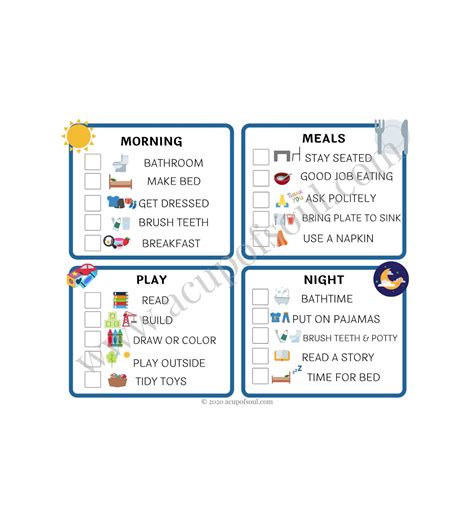
Consistency is paramount. Establish clear, easy-to-understand rules about when and for how long gaming is allowed. This could mean specific time slots after homework is done, or a total daily limit. Involve your children in creating these rules to foster a sense of ownership and understanding.
- Daily Limits: Decide on a reasonable amount of time per day or week (e.g., 1-2 hours on weekdays, more on weekends).
- Screen-Free Zones/Times: Designate certain times (e.g., during meals, an hour before bedtime) and places (e.g., bedrooms overnight) as screen-free.
- Earned Time: Implement a system where gaming time can be earned through chores, homework completion, or physical activity.

Utilize Parental Controls and Device Settings
Most gaming consoles, platforms (like Steam or Epic Games), app stores, and even home routers offer robust parental control features. These tools can help enforce time limits, restrict purchases, block inappropriate content, and manage who your child can interact with online.
- Console & Platform Settings: Familiarize yourself with the settings on your child’s specific gaming devices (PlayStation, Xbox, Nintendo Switch, PC launchers).
- Mobile Device Controls: Use built-in features on iOS (Screen Time) and Android (Digital Wellbeing) to manage app usage.
- Router-Level Controls: Some home routers allow you to set internet access schedules for specific devices.
Encourage Alternative Activities
A balanced lifestyle is crucial. Ensure gaming is just one of many activities your child engages in. Encourage outdoor play, reading, creative arts, sports, and family time.

The goal isn’t to eliminate gaming but to integrate it healthily into a diverse routine that promotes physical, social, and intellectual growth.
Lead by Example
Children often mirror their parents’ behavior. Be mindful of your own screen time habits. Demonstrate responsible technology use, and make time for family activities that don’t involve screens.
Finding Age-Appropriate Games
The vast world of video games contains content suitable for all ages, as well as titles designed exclusively for mature audiences. Knowing how to discern between them is vital.
Understand Rating Systems
Video game rating systems are your primary tool for determining age appropriateness. The most common ones include:
- ESRB (Entertainment Software Rating Board): Used in North America. Ratings range from E (Everyone) to M (Mature 17+) and AO (Adults Only 18+). They also provide content descriptors (e.g., Fantasy Violence, Strong Language).
- PEGI (Pan European Game Information): Used across Europe. Ratings are age-based (3, 7, 12, 16, 18) and include content descriptors (e.g., Violence, Bad Language, Drugs).
- CERO (Computer Entertainment Rating Organization): Used in Japan. Similar age-based ratings and content icons.
Always check the rating on game packaging or digital store pages before allowing your child to play.

Research and Reviews
Rating systems are a good starting point, but context is key. A game rated ‘E for Everyone’ might still have content you’re uncomfortable with, or an ‘E10+’ game might be perfectly fine for your 8-year-old. Do your homework:
- Read Reviews: Look for reviews from reputable gaming sites, parent blogs, and common app stores.
- Watch Gameplay Videos: YouTube and Twitch offer countless hours of gameplay. Watch a few minutes to get a sense of the game’s visuals, themes, and tone.
- Ask Other Parents: Tap into your parent network for recommendations and insights.
Play Together and Observe
The best way to understand a game is to experience it. Play alongside your child, or at least sit and watch them play. This gives you direct insight into the content, challenges, and social interactions within the game. It also provides a wonderful opportunity for bonding and discussion.

Consider Educational and Creative Games
Many games are designed with learning and creativity in mind. Look for titles that encourage:
- Problem-solving (puzzle games, strategy games)
- Creativity (building games like Minecraft, art-focused games)
- Historical or scientific exploration
- Coding and logic skills
Tips for a Healthy Gaming Environment
- Communicate Openly: Talk to your children about why rules are in place. Listen to their perspectives and concerns.
- Stay Informed: The gaming world changes rapidly. Keep up-to-date with new games, trends, and safety features.
- Emphasize Balance: Reinforce the idea that gaming is one part of a healthy, varied routine.
- Prioritize Sleep: Ensure gaming doesn’t interfere with adequate sleep. Blue light from screens can disrupt melatonin production.
Managing screen time and finding age-appropriate games for your kids is an ongoing process that requires active involvement. By setting clear boundaries, utilizing available tools, staying informed, and engaging with your children, you can foster a healthy and positive relationship with technology, allowing them to enjoy the benefits of gaming safely and responsibly.