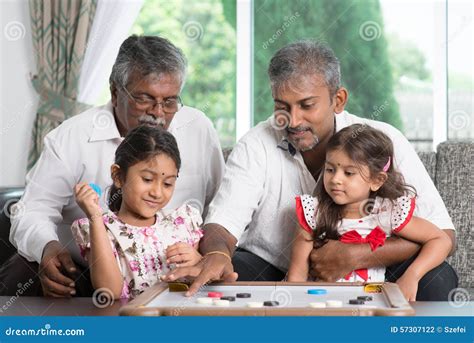
How to make family game time fun for all ages, big & small?

The Joy and Challenge of Multi-Generational Game Nights
Family game time is a cherished tradition, a wonderful way to connect, laugh, and create lasting memories. However, bridging the age gap between a precocious toddler, a bustling pre-teen, a savvy teenager, and a wise grandparent can feel like a monumental task. The key to success isn’t finding a single game that magically appeals to everyone, but rather adopting strategies and a mindset that makes the experience enjoyable for all, big and small.
The goal isn’t just to play a game, but to foster an environment where every family member feels included, engaged, and has fun, regardless of their age or skill level. It requires a bit of planning, a dash of creativity, and a willingness to be flexible.
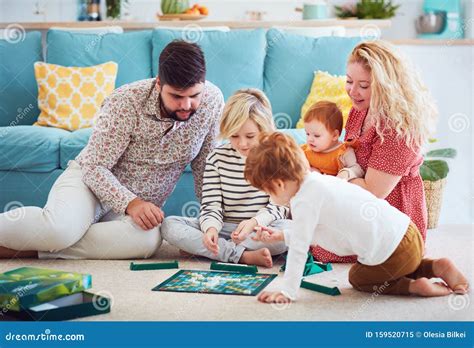
Strategies for Selecting Inclusive Games
Choosing games that cater to a wide age range is the first step towards a successful family game night. Look for titles that offer adaptability or have elements that can engage different age groups simultaneously.
Opt for Cooperative Games
Cooperative games are a fantastic equalizer. Instead of competing against each other, everyone works together towards a common goal. This eliminates the pressure of winning or losing individually and encourages teamwork and communication. Games like Pandemic Jr., Forbidden Island, or Outfoxed! are great examples where everyone’s contribution matters.
Games with Adaptable Rules
Many games can be simplified for younger players or made more challenging for older ones. For instance, in a drawing game, younger kids can just make scribbles while older ones attempt recognizable objects. Card games can involve simplifying scoring or allowing open hands for younger participants. Classic games like Charades or Pictionary can be tailored by giving easier prompts to kids.
Quick, Simple, and Engaging Games
Younger children often have shorter attention spans. Incorporate games that are quick to learn and play, or break up longer sessions with shorter, high-energy activities. Card games like Uno, Sleeping Queens, or dexterity games like Jenga can be enjoyed in short bursts by almost everyone.
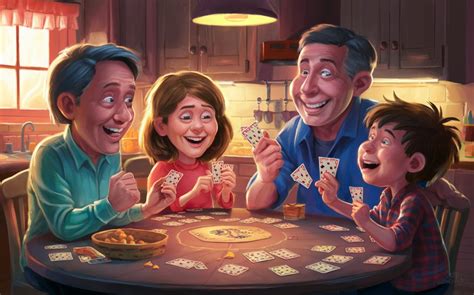
Creating the Perfect Game Time Atmosphere
Beyond the game itself, the environment and attitude you bring to family game time significantly impact its success.
Snacks, Drinks, and Comfort
Nothing says “fun” like a comfortable setting with delicious snacks and drinks. Popcorn, fruit slices, cookies, or a pitcher of lemonade can elevate the experience. Make sure everyone is seated comfortably and has a clear view of the game.
Set Realistic Expectations and Prioritize Fun Over Winning
Remind everyone, especially older competitive types, that the goal is fun and togetherness, not necessarily winning. Encourage good sportsmanship and celebrate efforts, not just victories. For younger kids, sometimes just rolling the dice or moving a piece is exciting enough.
Rotate Roles and Offer Help
Let different family members take turns being the “game master,” reading rules, or leading the play. For younger children, provide gentle guidance and help them understand their turn. Sometimes, simply sitting them on a lap and letting them choose a piece can make them feel involved even if they don’t fully grasp the rules.
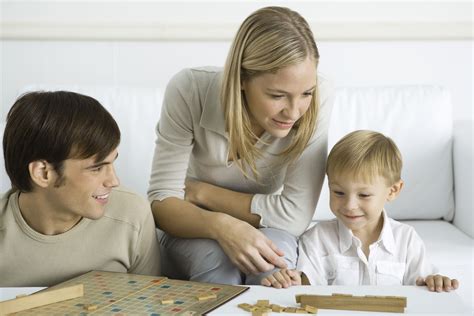
Tips for Engaging Every Age Group
Making sure everyone feels included and valued is crucial. Here are some practical tips:
Empower the Youngest Players
Allow younger children to make decisions when appropriate, like choosing which color piece to play or which card to discard. Celebrate their contributions, no matter how small. Even if it means bending a rule slightly for the sake of engagement, it’s often worth it.
Team Up or Pair Up
For games with a bit more complexity, pair a younger child with an older sibling or adult. This allows the younger one to participate and learn while the older one guides them, fostering bonding and mentorship.
Embrace Variety and Flexibility
Don’t be afraid to switch games if one isn’t working, or even pause for a dance break or a quick stretch. Have a few different types of games on hand: a cooperative game, a quick card game, and a creative activity like charades. Variety keeps things fresh and caters to different moods.

Conclusion: The Heart of Family Game Time
Ultimately, making family game time fun for all ages isn’t about finding the perfect game, but about cultivating an atmosphere of togetherness, laughter, and mutual enjoyment. By choosing adaptable games, prioritizing fun over competition, and actively engaging every family member, you can transform a potential challenge into a cherished family tradition. These moments of shared joy strengthen bonds and create memories that will last a lifetime, proving that when it comes to family fun, every player, big or small, has a vital role.