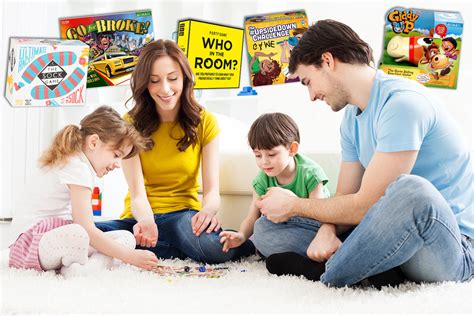
How to keep all ages engaged during cozy family game night?
Family game night is a cherished tradition, a perfect excuse to gather loved ones, share laughter, and create lasting memories. However, one common hurdle often arises: how do you find games that captivate a toddler, a teenager, and a grandparent all at once? The key lies in strategic planning, adaptability, and fostering an environment where everyone feels included and excited to participate.
Understanding the Multi-Generational Challenge
The beauty of a multi-generational game night is also its biggest challenge. Different age groups have varying attention spans, cognitive abilities, and interests. Younger children might struggle with complex rules or long playtimes, while teenagers might find simpler games boring. Adults often seek a balance between lighthearted fun and engaging strategy. The goal isn’t just to play a game, but to facilitate interaction and enjoyment across all these diverse perspectives.

Strategies for Universal Engagement
1. Choose Games with Broad Appeal or Adaptability
Look for games known for their simplicity, social interaction, or opportunities for teamwork. Party games like Pictionary, Charades, or even Apples to Apples can often bridge age gaps because they rely on creativity and humor rather than complex rules. Cooperative games, where everyone works together towards a common goal (e.g., Pandemic, Forbidden Island – or simpler versions like Hoot Owl Hoot for younger kids), can also be excellent choices as they reduce competitive pressure and encourage collaboration.
Another fantastic option is dexterity games, such as Jenga or KerPlunk, which rely on physical skill and often elicit universal excitement and suspense.
2. Master the Art of Rule Modification
Don’t be afraid to tweak the rules! For younger players, simplify scoring, allow extra turns, or let them play on a team with an older sibling or parent. For older players who might find a game too simple, introduce house rules that add a layer of strategy or challenge. For example, in a game of checkers, older players might have to explain their moves before taking them, or younger players might get a “mulligan” turn. The objective is fun, not strict adherence to the rulebook.

3. Embrace Team Play
Pairing up family members can be a game-changer. An older child or adult can guide a younger one, explaining concepts, helping with turns, and ensuring they feel involved. This not only makes the game more accessible for the little ones but also fosters mentoring and bonding opportunities between generations. Team competitions can also add an exciting dynamic without singling out individual skill levels.
Beyond the Board: Setting the Scene
1. Create a Cozy and Welcoming Atmosphere
A true “cozy” family game night goes beyond just the game itself. Dim the lights, light some candles (safely, of course!), put on some relaxing background music, and pile up blankets and pillows. Offer comforting snacks and drinks – think popcorn, hot cocoa, or a platter of easy-to-grab treats. A comfortable, inviting environment naturally encourages everyone to relax, engage, and enjoy the shared experience.

2. Plan for Breaks and Variety
Especially with younger children or older adults, attention spans can vary. Plan for a short break in the middle of a longer game, or intersperse longer games with shorter, more active ones. A quick dance-off, a riddle challenge, or a simple round of “Simon Says” can re-energize the group and keep boredom at bay. Having a backup game or activity is always a good idea.
3. Prioritize Fun Over Winning
Remind everyone – explicitly or implicitly – that the goal is to spend quality time together, not necessarily to win. Celebrate silly mistakes, funny moments, and good sportsmanship. When the focus shifts from competition to connection, every family member, regardless of age or skill level, will feel more comfortable and engaged.
Recommended Game Types for All Ages
- Party Games: Charades, Pictionary, Concept, Codenames (or Codenames: Duet for 2 teams).
- Cooperative Games: Forbidden Island, Outfoxed!, Hoot Owl Hoot!
- Dexterity Games: Jenga, KerPlunk, Don’t Break the Ice.
- Simple Card Games: Uno, Old Maid, Go Fish, Crazy Eights.
- Storytelling Games: Rory’s Story Cubes, Dixit.
Conclusion
A truly engaging, cozy family game night is a masterpiece of planning, empathy, and flexibility. By selecting games thoughtfully, adapting rules creatively, fostering teamwork, and cultivating a warm atmosphere, you can ensure that every single family member, from the youngest to the wisest, leaves the table feeling connected, entertained, and eager for the next game night. It’s not just about playing games; it’s about building traditions and strengthening family bonds, one joyful roll of the dice at a time.