How to introduce game jargon in beginner guides without overwhelming new players?
Introducing new players to the intricate world of video games often comes with a significant challenge: game-specific jargon. Terms like ‘DPS,’ ‘aggro,’ ‘farming,’ ‘buffs,’ and ‘debuffs’ are second nature to veterans but can be a confusing, alienating barrier for newcomers. The goal of any effective beginner guide is to bridge this knowledge gap without overwhelming players, enabling them to enjoy the game’s depth rather than feeling lost in translation.
Understanding the Jargon Dilemma
Game jargon serves a purpose: it’s a shorthand that facilitates communication among experienced players and efficiently describes complex mechanics. However, thrusting an unprepared player into a guide riddled with these terms can lead to frustration and a quick abandonment of the game. The key is to recognize that while jargon is eventually necessary, its introduction must be handled with care and intention.
The dilemma lies in balancing conciseness for experienced readers with clarity for novices. A good guide doesn’t shy away from necessary terms but ensures they are presented in a digestible format, providing context and meaning when it matters most.
Strategic Approaches to Jargon Introduction
1. Contextualize, Don’t Just Define
The most effective way to introduce jargon is within the context of its use. Instead of listing terms in an isolated glossary upfront, explain them as they become relevant to the gameplay experience. For example, when discussing combat, explain ‘DPS’ (Damage Per Second) right as you talk about maximizing damage output, rather than just stating ‘DPS: Damage Per Second’ in a separate section. This immediate application helps cement understanding.
2. Leverage Tooltips and Hover-Overs
For digital guides or in-game tutorials, interactive elements are invaluable. Implement tooltips or hover-over explanations for jargon. This allows players to get an immediate, non-disruptive definition without having to navigate away from the primary content. It’s an on-demand learning system that respects the player’s pace and curiosity.

3. Create Accessible Glossaries (Supplemental)
While not a primary introduction method, a well-organized, easily accessible glossary is an excellent supplementary resource. Players who prefer to learn terms systematically, or need to reference a term they’ve forgotten, will appreciate a dedicated section. Ensure the glossary is clearly linked from relevant sections of the guide and perhaps even within the game’s interface.
4. Introduce Jargon Gradually
Not all jargon is equally important from the outset. Prioritize the most fundamental terms necessary for basic understanding and gameplay. Introduce more advanced or niche terms only after players have a solid grasp of the core mechanics. This phased approach prevents cognitive overload and builds knowledge incrementally.
5. Use Visual Aids and Analogies
Sometimes, a picture or a real-world analogy can explain a complex term more effectively than a paragraph of text. Use screenshots, diagrams, or short video clips to illustrate concepts like ‘line of sight’ or ‘aoe’ (area of effect). Analogies can connect unfamiliar game mechanics to relatable real-world concepts, making them easier to grasp.
6. Prioritize Essential Terms
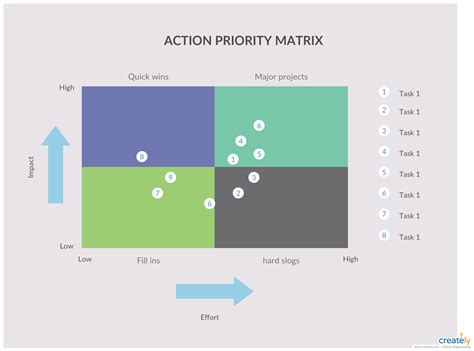
Before writing, list all game-specific terms that might appear in your guide. Then, categorize them by necessity: ‘must-know immediately,’ ‘helpful to know soon,’ and ‘advanced/optional.’ Focus your initial efforts on explaining only the ‘must-know’ terms thoroughly and contextually. The others can be introduced later or via supplementary resources.
Testing and Iteration
The best way to ensure your jargon introduction strategy is effective is to test it with actual new players. Have someone unfamiliar with the game read your guide and ask them to highlight terms they don’t understand or sections where they feel overwhelmed. Their feedback is invaluable for refining your approach, identifying bottlenecks, and clarifying explanations. Be prepared to iterate on your guide based on this user testing.

Conclusion
Successfully introducing game jargon in beginner guides is an art that blends clarity, strategy, and empathy for the new player experience. By prioritizing contextual explanations, leveraging interactive tools, structuring learning progressively, and continuously seeking feedback, guide creators can transform potential linguistic barriers into stepping stones for deeper engagement. The ultimate goal is to empower new players, not to intimidate them, ensuring their first steps into a new game world are confident and enjoyable.