How to find underrated indie games with exceptional quality and replayability?

In a world saturated with AAA releases, the true magic often lies hidden within the vast ocean of independent games. Underrated indie titles, crafted with passion and innovative spirit, frequently offer experiences that surpass their mainstream counterparts in terms of unique vision, exceptional quality, and surprising replayability. But how does one sift through the noise to unearth these truly hidden gems? This guide will equip you with effective strategies to discover the indie masterpieces you might otherwise miss.
The Unique Appeal of Underrated Indie Games
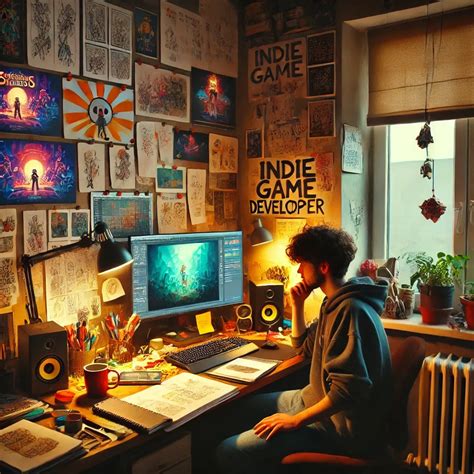
Unlike their blockbuster brethren, indie games often thrive on creative freedom, allowing developers to experiment with unconventional mechanics, bold artistic styles, and deeply personal narratives. This freedom frequently translates into highly polished, yet overlooked, experiences that provide refreshing alternatives to established genres. The key is knowing where and how to look.

Beyond the Hype: Niche Critics and Curators
Mainstream game review sites tend to focus on popular releases, often leaving lesser-known indies in the shadows. To find the real gems, you need to dig deeper. Seek out dedicated indie game blogs, YouTube channels, and podcasts that specialize in showcasing obscure titles. These curators often possess an intimate understanding of the indie landscape and can highlight games with genuine merit before they gain widespread attention. Look for reviewers who align with your tastes and whose recommendations consistently impress you.
Consider platforms like “RPS (Rock Paper Shotgun)” for their extensive indie coverage, or specific YouTubers known for their “hidden gems” series. Subscribing to newsletters from indie-focused publishers or bundles (e.g., Humble Bundle, Itch.io) can also alert you to promising new releases or deeply discounted classics.
Leveraging Digital Storefronts Smartly
While overwhelming, digital storefronts like Steam, Itch.io, and GOG can be powerful discovery tools if used strategically.
- Steam’s Deep Dive: Don’t just browse the front page. Utilize Steam’s robust tag system, “More Like This” recommendations, and the ‘New & Trending’ or ‘Upcoming’ sections with specific filters. Pay attention to user reviews, but look for thoughtful, detailed ones rather than just high scores. Filter by niche tags that appeal to you (e.g., “Metroidvania,” “Pixel Graphics,” “Story Rich,” “Roguelike”).
- Itch.io for the Purest Indies: Itch.io is a haven for truly independent developers, often hosting prototypes, experimental games, and games not found anywhere else. Explore their curated collections, game jams, and “top sellers” within specific categories. The community engagement here is often very direct with developers.
- Sales and Bundles: Keep an eye on sales events and charity bundles. These are excellent opportunities to try out several games for a low price, often discovering a diamond in the rough among them.

Community-Driven Discovery
Gaming communities are invaluable resources for finding underrated titles. Active participation in relevant subreddits (like r/indiegames, r/gamingsuggestions, r/shouldibuythisgame), Discord servers dedicated to specific genres, or forums for particular game engines (like Godot or Unity communities) can yield excellent recommendations. Often, passionate players are eager to share their favorite obscure finds. Engaging directly with indie developers on social media platforms can also lead you to their less-known works or those of their peers.
What Makes an Indie Game High Quality and Replayable?
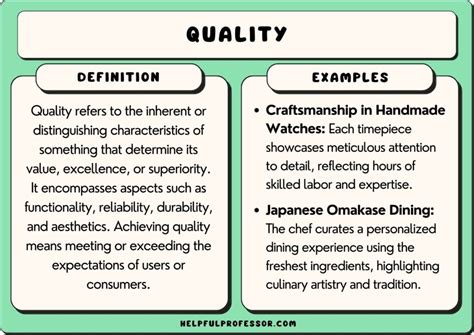
Once you’ve found a potential gem, how do you assess its quality and replayability before committing? Look for specific indicators:
- Developer Passion: Is the developer actively engaging with their community? Are there frequent updates or signs of ongoing support?
- Unique Mechanics: Does the game offer a fresh twist on an existing genre or introduce entirely new gameplay loops? Innovation often signals quality.
- Thoughtful Design: Look for depth in systems, level design, and narrative. Are there multiple solutions to problems, or different playstyles supported?
- Replayability Factors:
- Procedural Generation: If done well, this can ensure every playthrough feels fresh.
- Multiple Endings/Choices: Games that react to player decisions encourage multiple playthroughs.
- High Skill Ceiling: Titles that reward mastery and continuous improvement keep players engaged.
- Mod Support: A thriving modding community can extend a game’s life indefinitely.
- New Game+ / Challenge Modes: Offer reasons to dive back in with new parameters.
- “Word of Mouth” Details: Look past aggregate scores to specific user reviews that detail why a game is good or bad, focusing on aspects important to you.
Conclusion
Finding underrated indie games with exceptional quality and replayability is a rewarding quest. It requires patience, an adventurous spirit, and a willingness to look beyond the heavily marketed blockbusters. By leveraging niche resources, smart storefront navigation, community insights, and a keen eye for quality indicators, you’ll open yourself up to a world of innovative, heartfelt, and unforgettable gaming experiences that truly stand the test of time. Happy hunting!