How to find quality indie hidden gems & avoid disappointing duds?
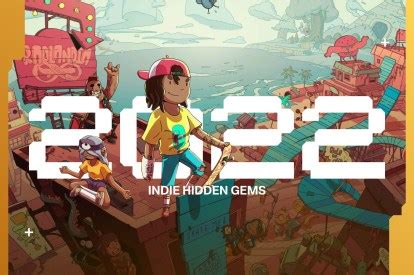
The Thrill of the Hunt: Why Indie Gems Matter
The independent game development scene is a vibrant ecosystem, a fertile ground where creativity blossoms without the constraints of large publishers. It’s here that some of the most innovative, heartfelt, and unique experiences are born. Discovering a truly special indie game feels like unearthing a treasure – a personal triumph that enriches your gaming library and often provides memories more vivid than many AAA titles. However, the sheer volume of new releases, coupled with varying levels of polish and originality, makes sifting through the noise a significant challenge. This guide will equip you with the strategies needed to find those quality hidden gems and avoid the common pitfalls of disappointing duds.

Strategies for Unearthing Quality Hidden Gems
1. Leverage Curated Platforms and Stores
- Steam’s Discovery Queue & Curators: While Steam can be overwhelming, its Discovery Queue can sometimes surprise you. More importantly, follow Steam Curators who specialize in indie games. Many reputable gaming publications and passionate individuals curate lists of quality titles.
- Itch.io: A haven for experimental and truly independent games, Itch.io hosts countless game jams and developer portfolios. Its ‘Browse’ section, tags, and collections are excellent for finding unique experiences, often with free demos or pay-what-you-want models.
- GOG.com: Known for its DRM-free policy, GOG also has a strong selection of classic and modern indie games, often highlighting overlooked titles.
- Console Indie Showcases: PlayStation, Xbox, and Nintendo often have dedicated indie showcases and sales that spotlight promising titles on their respective platforms.
2. Follow Trusted Reviewers & Content Creators
Beyond mainstream gaming sites, many smaller outlets, YouTubers, and Twitch streamers dedicate themselves to covering independent games. Look for creators whose tastes align with yours and who offer in-depth analysis rather than just hype. They often dive into early access games or obscure titles that fly under the radar.

3. Engage with Gaming Communities
- Reddit Subreddits: r/IndieGaming, r/Games, r/Gamedeals often feature discussions, recommendations, and reviews of lesser-known titles. The community perspective can be invaluable.
- Discord Servers: Many indie game developers have their own Discord servers, and there are also community servers dedicated to discussing and sharing indie games.
- Game Jams: Participating in or following game jams (e.g., Ludum Dare, Global Game Jam) on platforms like Itch.io can expose you to innovative prototypes that might evolve into full-fledged games.
Vetting Potential Picks: Avoiding Disappointing Duds
Once you’ve got a list of potential gems, it’s time to put on your detective hat. A little due diligence can save you from a lot of disappointment.
1. Scrutinize Developer Transparency and Communication
Good indie developers are usually passionate and transparent. Look for active social media presence, regular development updates, and engagement with their community. A lack of communication or vague promises can be red flags.
2. Watch Gameplay Videos, Not Just Trailers
Trailers are designed to excite, but raw gameplay footage reveals the true experience. Look for unedited gameplay on YouTube or Twitch. Many developers also offer demos – playing a demo is the absolute best way to gauge if a game is for you.

3. Read a Variety of User Reviews (with a Grain of Salt)
Steam user reviews can be helpful, but don’t just read the top ones. Sort by ‘most helpful’ or ‘newest’ and read both positive and negative critiques to get a balanced view. Look for recurring themes – if multiple people complain about the same bug or design flaw, it’s likely legitimate.
4. Assess Art Style and Polish (Initial Impressions)
While graphics aren’t everything, a certain level of artistic cohesion and technical polish suggests care and attention to detail. Blurry textures, uninspired UI, or awkward animations in promotional material might indicate a lack of resources or attention during development.
Common Pitfalls to Sidestep
1. Hype Over Substance
Be wary of games that generate a lot of buzz based purely on a novel concept or a striking art style, but lack compelling gameplay to back it up. Always look beyond the initial impression.
2. Too-Good-To-Be-True Promises
Indie studios, especially small ones, have limited resources. If a game promises an impossibly vast world, groundbreaking AI, or features that even AAA studios struggle with, proceed with extreme caution. Scope creep is a common downfall.

3. Ignoring Early Access Feedback
Early Access can be a great way to support developers, but it’s a gamble. If a game has been in Early Access for years with little progress or consistently negative feedback about core gameplay, it might never reach its full potential.
Conclusion: The Reward of Thoughtful Exploration
Finding quality indie hidden gems is a journey, not a destination. It requires curiosity, patience, and a willingness to explore beyond the mainstream. By leveraging curated resources, engaging with communities, and critically evaluating potential picks, you’ll hone your skills at unearthing those truly special experiences. The satisfaction of discovering an indie masterpiece that resonates deeply is a unique joy in gaming, making every careful step of the hunt profoundly rewarding.