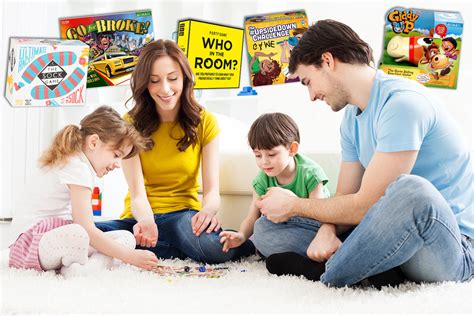
How to find family games that engage both young kids and teens?
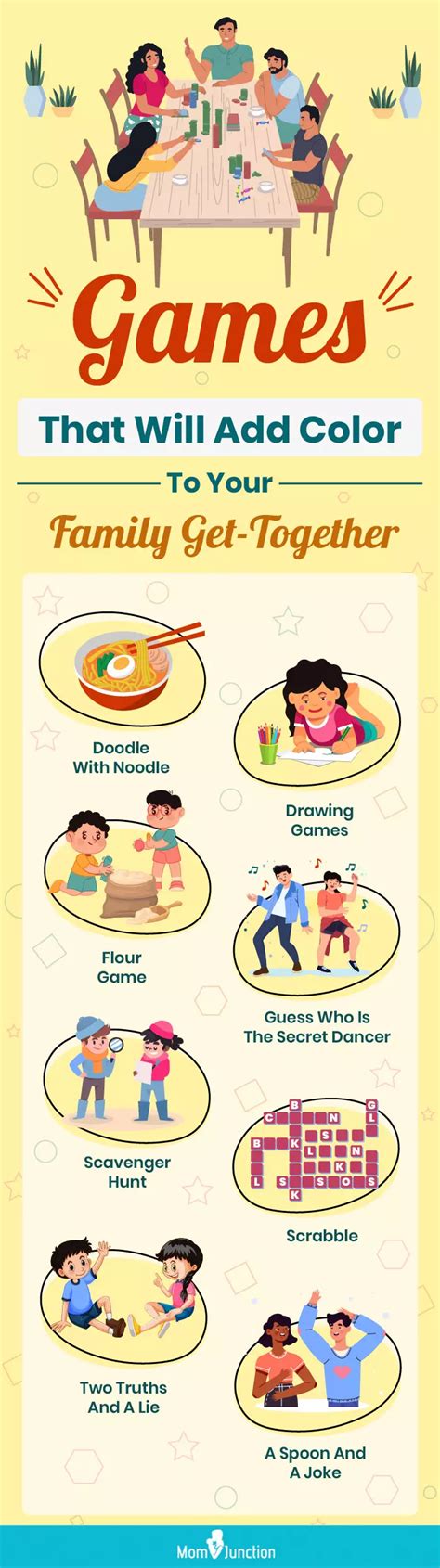
The quest for a family game that genuinely captivates both a energetic five-year-old and a cynical fifteen-year-old can often feel like searching for a mythical creature. Different interests, attention spans, and skill levels usually mean someone ends up bored or frustrated. But fear not! With a little strategy and a willingness to explore, finding games that create shared joy for your whole family is entirely achievable.
The Challenge: Bridging the Age Gap
The primary hurdle is the vast difference in developmental stages. Young children thrive on simple rules, imaginative play, and quick turns, while teens often crave strategy, complexity, and a sense of challenge. A game too simple for a teen is boring; one too complex for a child is frustrating. The key is to find games with elements that appeal across this spectrum, or those that can be adapted.

Look for Adaptable Rules and Scalable Difficulty
Some of the best multi-generational games are those that offer different ways to play or have scalable difficulty. This might mean simpler rules for younger players, advanced strategies for older ones, or multiple objective options. Games with a good balance of luck and strategy can also level the playing field, giving younger kids a chance to win while still engaging teens.
Embrace Cooperative Play
One of the most effective ways to ensure everyone stays engaged is to choose cooperative games. Instead of competing against each other, the family works together as a team against the game itself. This fosters collaboration, communication, and a shared sense of accomplishment (or a shared defeat!). It removes the pressure of one person ‘winning’ and allows everyone to contribute to a common goal.

Creative and Storytelling Games
Games that rely on imagination, drawing, or storytelling can be fantastic for bridging age gaps. Young children are often incredibly imaginative, and teens can enjoy the challenge of creative expression or the humor in unexpected outcomes. These games are less about strict rules and more about shared fun and creativity, making them accessible and enjoyable for all.
Party Games and Trivia
When in doubt, consider classic party games or trivia. Many party games are designed to be quick, easy to learn, and involve a lot of laughter and interaction. Trivia games can be adapted by having teams, or by choosing categories where different age groups might have an advantage. The rapid-fire nature of many party games keeps attention spans engaged across the board.

Physical and Outdoor Games
Sometimes, the best solution isn’t a board game at all. Getting everyone moving with outdoor games like capture the flag, tag, or even a simple game of catch can be incredibly unifying. Even indoor physical games like charades or Pictionary can inject energy and fun that transcends age differences.

Tips for a Successful Family Game Night
- Rotate Choices: Don’t always play the same game. Let different family members pick a game each time, ensuring everyone gets a turn to play something they truly enjoy.
- Set Expectations: Remind everyone that the goal is to have fun together, not just to win.
- Be Flexible: Sometimes you might need to slightly adjust rules for the youngest player, or give an extra hint.
- Snacks Help: Good snacks and drinks always enhance the experience!
- Focus on the Experience: The memories made during family game time are more important than the game itself.

Finding the perfect family game that delights both young kids and teens requires patience and a bit of experimentation. But by focusing on games with adaptable rules, cooperative play, creative elements, or simply a lot of laughter, you can transform your family game nights into cherished bonding experiences that everyone looks forward to.