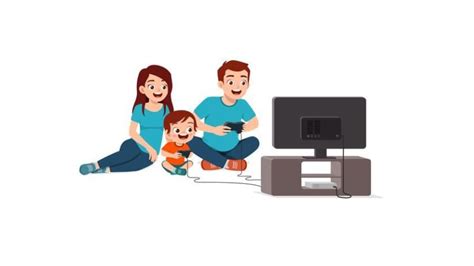
How to find educational and fun video games suitable for my child?

Navigating the Digital Playground: Finding the Right Games for Your Child
In today’s digital age, video games are an almost inevitable part of childhood. While many parents worry about excessive screen time and inappropriate content, the truth is that a growing number of games offer significant educational benefits and are genuinely fun. The challenge lies in distinguishing between the good, the bad, and the truly beneficial. This guide will help you confidently identify video games that enrich your child’s mind while keeping them entertained.
Why Educational Games Matter
Far from being mere distractions, well-designed video games can be powerful learning tools. They can foster critical thinking, problem-solving skills, creativity, spatial reasoning, and even social-emotional development. Games often present challenges in engaging ways that traditional learning methods might not, encouraging persistence and resilience. From historical simulations to puzzle-based adventures that teach coding concepts, the potential for growth is immense when the right game is chosen.

Key Criteria for Selection
Before diving into specific titles, understand what makes a game truly suitable and beneficial for your child.
1. Educational Value and Skill Development
- Curriculum Alignment: Does the game reinforce concepts taught in school (math, reading, science, history)?
- Cognitive Skills: Does it encourage problem-solving, strategic thinking, memory retention, or logic?
- Creativity & Expression: Does it allow for building, designing, storytelling, or artistic expression?
- Future Skills: Some games even introduce basic coding or engineering principles.
2. Age-Appropriateness and Content
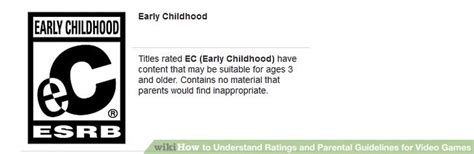
Always check official ratings like ESRB (Entertainment Software Rating Board) in North America or PEGI (Pan European Game Information) in Europe. These ratings provide guidance on content (violence, language, suggestive themes) and recommended age ranges. Beyond the rating, consider the themes and complexity – is it truly something your child can understand and enjoy without being overwhelmed or exposed to mature topics?
3. Engagement and Fun Factor
An educational game that isn’t fun won’t be played. Look for games with engaging narratives, satisfying challenges, intuitive controls, and positive reinforcement. The fun factor is crucial for sustained interest and learning.
4. Positive Values and Inclusivity
Does the game promote teamwork, empathy, kindness, or good sportsmanship? Are characters diverse and representative? Avoid games that encourage aggression, discrimination, or cheating as primary gameplay elements.
5. Parental Controls and Privacy
Many games, especially online multiplayer ones, have in-game purchases or chat features. Ensure the game or platform offers robust parental controls to manage screen time, spending, and communication.
Practical Steps to Discover Suitable Games
1. Read Reputable Reviews
Websites like Common Sense Media, Parents’ Choice Foundation, and educational tech blogs often provide detailed reviews from a parental and educational perspective. They break down educational value, ease of use, and potential concerns.
2. Watch Gameplay Videos
Before purchasing, watch gameplay videos on platforms like YouTube. This gives you a clear idea of the game’s mechanics, graphics, and overall feel, allowing you to assess if it aligns with your expectations.
3. Try Demos or Free Trials
Many games offer free demos or trials. This is an excellent way for both you and your child to test the waters and see if the game is a good fit before committing to a purchase.
4. Ask Other Parents and Educators
Parent communities, school newsletters, or even your child’s teachers can be valuable resources. They might recommend games that have been successful with other children.
5. Explore Specific Educational Platforms
Platforms like PBS Kids Games, ABCmouse, or curriculum-aligned sections of platforms like Nintendo Switch’s eShop often highlight games with clear educational intent.

Balancing Fun and Learning
Remember that not every game your child plays needs to be explicitly educational. Sometimes, pure entertainment and relaxation are important too. The goal is to find a healthy balance in their gaming diet. Encourage a variety of game genres and, most importantly, engage with your child about what they’re playing. Ask them about their achievements, challenges, and what they’ve learned. This shared experience can deepen your connection and provide insight into their digital world.
Conclusion
Finding educational and fun video games for your child requires a little research and engagement, but it’s a rewarding effort. By focusing on educational value, age-appropriateness, and genuine engagement, you can transform screen time from a source of parental worry into a powerful tool for learning and development. Embrace the opportunity to guide your child towards games that both entertain and enrich their growing minds.