How to find age-appropriate games that genuinely support kids’ development?

In an increasingly digital world, video games and interactive apps have become ubiquitous in children’s lives. While concerns about excessive screen time are valid, a growing body of research suggests that carefully chosen games can significantly contribute to a child’s cognitive, social, and emotional development. The challenge for parents, however, lies in sifting through countless options to identify those truly beneficial and age-appropriate.
Beyond the Age Rating: Understanding Developmental Stages
Many games come with age ratings (like ESRB in North America or PEGI in Europe), but these primarily focus on content warnings such as violence, language, or mature themes. While helpful, they don’t always tell the full story about a game’s developmental suitability. A truly age-appropriate game considers a child’s cognitive abilities, emotional maturity, attention span, and social understanding.
- Early Childhood (3-6 years): Focus on simple mechanics, vibrant colors, basic problem-solving, and imaginative play. Games that promote letter recognition, counting, and cause-and-effect relationships are ideal.
- Middle Childhood (7-11 years): Children can handle more complex rules, strategic thinking, and collaborative play. Games that involve puzzles, resource management, storytelling, and social interaction become more engaging.
- Adolescence (12+ years): Teens are ready for intricate narratives, advanced strategy, moral dilemmas, and cooperative or competitive multiplayer experiences that foster social skills and critical thinking.

Identifying Games That Foster Genuine Development
To ensure a game supports growth, look beyond entertainment value. Consider these developmental areas:
Cognitive Skills
These include problem-solving, critical thinking, memory, spatial reasoning, and decision-making. Puzzle games, strategy games, and games requiring logical deduction are excellent choices. For instance, games that ask children to build structures, navigate mazes, or solve mathematical challenges directly engage these skills.
Motor Skills & Hand-Eye Coordination
Many games, especially those involving controllers or touch screens, refine fine motor skills and enhance hand-eye coordination. Fast-paced action games can improve reaction times, while creative building games can foster precision.

Social-Emotional Learning
Multiplayer games, particularly cooperative ones, teach valuable social skills like communication, teamwork, negotiation, and conflict resolution. Role-playing games can foster empathy by allowing children to step into different characters’ shoes. Games with compelling narratives can also help children explore emotions and understand consequences.
Creativity and Imagination
Sandbox games (like Minecraft) or artistic creation apps provide open-ended platforms for children to design, build, and express themselves without rigid rules, nurturing imagination and creative problem-solving.
Practical Tips for Parents: Your Game Selection Toolkit
Navigating the digital game landscape can feel overwhelming, but with a few strategies, you can become an expert curator for your child’s digital play:
- Do Your Research: Read reviews from reputable parenting sites, educational technology blogs, and even other parents. Look for information that goes beyond basic age ratings to discuss developmental benefits.
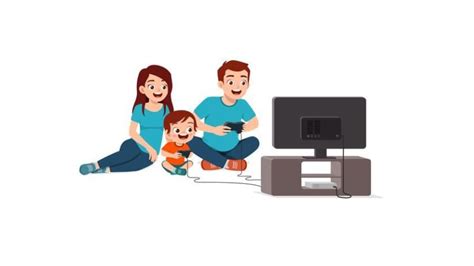
- Play Together: The best way to understand a game’s impact is to experience it with your child. This allows you to observe their engagement, frustration levels, and learning opportunities firsthand. It also opens up conversations about game content and strategy.
- Observe Your Child: Pay attention to how your child interacts with the game. Are they engaged and learning, or frustrated and overwhelmed? Do they display positive emotions, or become overly agitated? A game might be technically “age-appropriate” but not a good fit for your individual child’s temperament.
- Set Limits and Diversify: Even the best game can be detrimental if played excessively. Establish clear screen time rules. Encourage a balanced “play diet” that includes digital games, board games, outdoor play, creative arts, and reading.
- Look for Clear Learning Objectives: Many educational games explicitly state what skills they aim to teach. While not every game needs to be “educational” in the traditional sense, understanding its potential learning outcomes can guide your choice.

Red Flags and What to Avoid
While seeking positive attributes, be mindful of potential negatives:
- Excessive Violence or Mature Themes: Even if a rating allows it, consider if the content aligns with your family values and your child’s emotional readiness.
- Overly Competitive or Frustrating Gameplay: Games that are too difficult or foster unhealthy competition can lead to anxiety and disengagement, especially for younger children.
- Addictive Mechanics: Be wary of games designed to be “endless” or those with loot boxes and other gambling-like features that encourage constant spending and play.
- Lack of Transparency: If a game’s purpose or monetization strategy isn’t clear, exercise caution.

The Partnership Approach
Ultimately, finding age-appropriate games that genuinely support development is an ongoing process of partnership between parents and children. By staying informed, actively engaging, and fostering open communication, you can transform screen time from a potential concern into a powerful tool for learning and growth. The goal isn’t to eliminate digital play, but to curate it thoughtfully, ensuring it enriches your child’s journey through childhood.