How to find age-appropriate games & set healthy screen time limits?

Navigating the vast world of digital entertainment can be a challenge for modern parents. With countless games available, ensuring children engage with content that is both fun and suitable for their age, while also managing their screen time effectively, is paramount for their healthy development.
Understanding Game Ratings & Content
The first step in finding age-appropriate games is to familiarize yourself with official game rating systems. Organizations like the Entertainment Software Rating Board (ESRB) in North America, PEGI (Pan European Game Information) in Europe, and CERO (Computer Entertainment Rating Organization) in Japan provide age recommendations and content descriptors for video games. These ratings are crucial guides, indicating the minimum age for which a game is considered suitable and detailing specific elements like violence, language, or suggestive themes.
Don’t just look at the age number; pay close attention to the content descriptors. A game rated “E for Everyone” might still contain mild fantasy violence, while a “Teen” rating could include more intense themes or language. Understanding these descriptors will help you make informed decisions aligned with your family’s values and your child’s maturity level.

Researching Games Beyond Ratings
While ratings provide a good starting point, they shouldn’t be your only resource. Modern gaming content is dynamic, and a deeper dive is often necessary. Read reviews from trusted parenting websites or gaming journalists, watch gameplay videos on platforms like YouTube, and talk to other parents who might have experience with certain titles. This firsthand insight can reveal nuances that ratings alone might miss.
Consider the educational value or potential skill development a game offers. Many games can foster problem-solving, creativity, or strategic thinking. Evaluate if the game aligns with your child’s interests and your family’s overall approach to entertainment. Remember, what’s appropriate for one child may not be for another, even within the same age group, due to individual sensitivities and development stages.
Setting Healthy Screen Time Limits
Once you’ve found suitable games, establishing healthy screen time limits is the next crucial step. The American Academy of Pediatrics (AAP) and other health organizations offer general guidelines, typically recommending no screen time for children under 18-24 months (except video-chatting) and limited, supervised time for preschoolers. For school-aged children and teenagers, the emphasis shifts to ensuring screen time doesn’t displace essential activities like sleep, physical activity, homework, and face-to-face social interaction.
The most effective approach is to create a family media plan. This involves discussing and agreeing upon specific rules for screen use, including when, where, and for how long screens can be used. Involving children in this conversation helps them understand the rationale behind the limits and fosters a sense of responsibility and cooperation.
![Black History Family Vacations | [site:name] | Essence](/images/aHR0cHM6Ly90czEubW0uYmluZy5uZXQvdGg/aWQ9T0lQLm1zUE00X1FzaG5WODVhUWMxaEhJN0FIYUU4JnBpZD0xNS4x.webp)
Practical Strategies for Screen Time Management
1. Establish Clear Rules and Consistency
Define clear boundaries, such as “no screens during meals” or “screens off one hour before bedtime.” Consistency is vital; stick to the rules you set, as this helps children internalize expectations and develop self-regulation. Consider “screen-free zones” like bedrooms or the dinner table.
2. Utilize Parental Controls
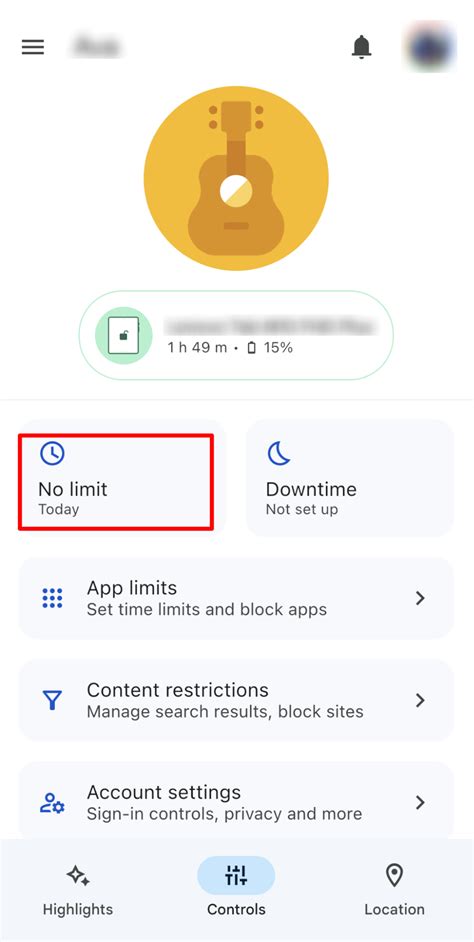
Most gaming consoles, smartphones, tablets, and even individual apps offer robust parental control settings. These tools allow you to restrict access to certain games or content based on ratings, set time limits, monitor activity, and prevent in-app purchases. Learn how to use these features effectively on all devices your child uses.
3. Encourage Other Activities
Balance screen time with a rich variety of offline activities. Promote outdoor play, reading books, creative hobbies, sports, and social interactions with friends and family. A diverse range of interests helps prevent over-reliance on digital entertainment and supports holistic development.

4. Lead by Example
Children are keen observers. Model healthy screen habits yourself by putting away your phone during family time, engaging in non-screen activities, and being mindful of your own digital consumption. Your actions speak louder than words when it comes to teaching digital wellness.
Open Communication is Key
Regularly talk to your children about their gaming experiences. Ask them what they enjoy, what challenges they face, and if anything makes them uncomfortable. These conversations open lines of communication, allow you to address concerns, and help children develop critical thinking skills about the content they consume. Adjust rules as your child grows and their needs evolve, ensuring the media plan remains relevant and effective.
Conclusion: Balancing Digital & Real Worlds
Finding age-appropriate games and setting healthy screen time limits are ongoing processes that require parental engagement and flexibility. By understanding game ratings, researching content, implementing clear boundaries, utilizing technological tools, and fostering open communication, parents can empower their children to enjoy the benefits of digital play responsibly, ensuring a healthy balance between their online and offline worlds. The goal is not to eliminate screens, but to integrate them thoughtfully into a well-rounded childhood.