How to filter through Steam’s indie flood for true hidden gems?

Steam’s ever-expanding library is a treasure trove for gamers, but for enthusiasts of independent titles, it can feel more like an overwhelming ocean. Thousands of indie games launch every year, making the quest for those truly special “hidden gems” a daunting task. How do you navigate this vast digital landscape without drowning in a sea of mediocrity or missing out on your next favorite game?
Understanding the Indie Flood
The accessibility of game development tools has democratized creation, leading to an explosion in indie releases. While this fosters innovation and diverse experiences, it also means a high signal-to-noise ratio. Small development teams often lack the marketing budget of AAA studios, making their unique creations easily overlooked amidst the constant influx of new titles. The challenge lies not just in finding a good game, but in finding one that resonates deeply with your specific tastes.

Leveraging Steam’s Internal Tools
Steam itself offers a suite of features designed to help you sift through its immense catalog, though they require a bit of strategic use.
Mastering Tags and Filters
- Advanced Search: Don’t just browse; use Steam’s detailed search filters. Filter by specific genres, subgenres, art styles (e.g., Pixel Graphics, Voxel), themes, player perspectives, and even unique gameplay mechanics (e.g., Deckbuilding, Roguelike, Metroidvania).
- User-Defined Tags: Pay attention to user tags. While sometimes chaotic, they often highlight nuanced aspects of a game that official categories miss.
- Price Filters & Sales: Use price filters to find gems on a budget, and keep an eye on sales events for discounted discoveries.
The Discovery Queue
While often criticized for its repetitive suggestions, the Discovery Queue can occasionally surface interesting titles. Click through a few, mark what looks good, and “ignore” what doesn’t to help Steam’s algorithm better understand your preferences over time.
Curators and User Reviews
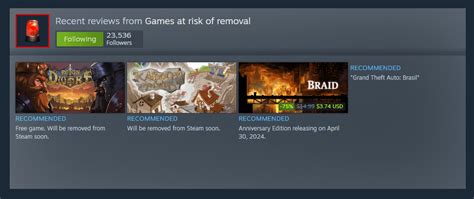
Steam Curators: Follow curators whose tastes align with yours. Many dedicated groups focus specifically on overlooked indie titles or niche genres. Look for curators with detailed reviews and a consistent track record.
User Reviews: Read reviews, but read them critically. Look for “Mostly Positive” or “Very Positive” ratings, and then dive into a few detailed reviews – both positive and negative – to get a balanced perspective. Pay attention to playtimes and specific feedback.
Venturing Beyond Steam: External Resources
Sometimes, the best discoveries happen outside Steam’s walls.
Dedicated Indie Game Websites and Publications
Many gaming journalists and specialized websites focus solely on the independent scene. Sites like Rock Paper Shotgun, PC Gamer’s “Best Indie Games” lists, and various niche blogs often provide early looks and in-depth reviews of promising indies before they gain widespread traction.
Gaming Communities and Forums
Reddit communities (r/indiegames, r/patientgamers, r/gamingsuggestions), Discord servers, and other gaming forums are excellent places to find recommendations from fellow players. Engage in discussions, ask for suggestions based on games you love, and you might stumble upon a passionate recommendation for a game you’d never heard of.
YouTube and Twitch Streamers
Many content creators specialize in showcasing indie games. Watching gameplay can give you a much better feel for a game’s mechanics, atmosphere, and overall quality than trailers or screenshots alone. Find streamers whose commentary and tastes you trust.

Embracing the Discovery Process
Finding hidden gems isn’t just about applying filters; it’s also about cultivating a personal approach to discovery.
Identify Your Niche
What specific genres, art styles, or gameplay mechanics do you truly enjoy? The more precise you are about your preferences, the easier it becomes to narrow down the vast options. Are you looking for narrative-driven walking simulators, brutal roguelikes, or cozy farming sims?
Watch Gameplay, Not Just Trailers
Trailers are designed to excite, but gameplay videos show you the reality. Look for 10-20 minutes of unedited gameplay footage to truly understand what a game offers.
Be Open to Demos and Early Access
Many promising indies offer free demos during events like Steam Next Fest, or are available through Early Access. Demos are a fantastic, risk-free way to try before you buy, and Early Access can sometimes let you be part of a game’s development journey (though proceed with caution).

What Makes a “Hidden Gem”?
A true hidden gem often possesses a unique blend of qualities:
- Innovation: A fresh take on an established genre or entirely new mechanics.
- Artistic Vision: Distinctive art style, compelling narrative, or memorable soundtrack.
- High Quality for its Scope: Polished gameplay, engaging design, and a clear vision despite a smaller budget.
- Passion: You can often feel the developers’ dedication shining through.

Conclusion
Navigating Steam’s indie flood can seem like a monumental task, but with the right strategies and a bit of patience, the rewards are immense. The thrill of unearthing a truly special, overlooked game is a core part of the indie gaming experience. By combining Steam’s internal tools with external resources and a refined personal approach, you’ll transform the overwhelming flood into a manageable stream, brimming with your next favorite hidden gem.