How to filter Steam’s indie flood for quality, truly hidden gems?

Navigating the Indie Deluge: Why Finding Gems is Harder Than Ever
Steam has revolutionized PC gaming, offering an unparalleled platform for developers to publish their creations. While this open marketplace has democratized game development, it has also led to an overwhelming influx of titles. Thousands of new games launch every year, and buried among them are true masterpieces – the “hidden gems” that offer unique experiences and boundless creativity. The challenge isn’t that they don’t exist; it’s how to effectively sift through the sheer volume of releases to find them. This guide will equip you with strategies and tools to uncover those elusive, high-quality indie games amidst Steam’s bustling digital shelves.

Leveraging Steam’s Built-In Discovery Tools
Before venturing outside the platform, make sure you’re fully utilizing Steam’s robust internal features, which are often overlooked or underestimated.
Deep Dive into Tags
Tags are your first line of defense. Don’t just stick to broad categories like “RPG” or “Action.” Explore more granular tags such as “Metroidvania,” “Roguelike,” “Deckbuilder,” “Story Rich,” “Pixel Graphics,” or “Base Building.” You can exclude tags you dislike and browse by specific combinations. Following specific tags will also populate your discovery queue with more relevant titles.
Scrutinizing User Reviews and Review Scores
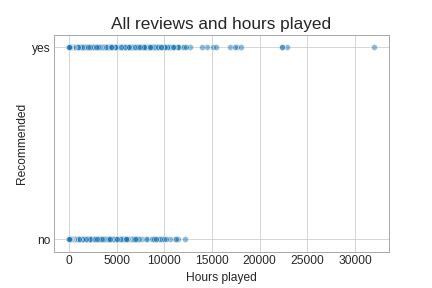
While a simple “Very Positive” is a good start, delve deeper. Read a variety of reviews – positive, negative, and neutral. Look for common themes: “buggy,” “great story,” “repetitive gameplay,” “excellent soundtrack.” Pay attention to playtime, as reviews from players with significant hours often hold more weight. Also, consider the total number of reviews; a small number of positive reviews might not be as indicative as thousands. Filter reviews by language to find perspectives from your region.
Engaging with Steam Curators
Steam Curators are individuals or groups who review and recommend games. Find curators whose tastes align with yours. Many specialize in specific genres, hidden gems, or even “games to avoid.” Follow a few trusted curators, and their recommendations will appear in your discovery feed and on game store pages.
Utilizing the Discovery Queue and Interactive Recommender
Steam’s Discovery Queue is designed to show you new games based on your playtime, wishlisted games, and friend activity. Make it a habit to click through it daily. The Interactive Recommender, found in your store preferences, allows you to fine-tune recommendations by adjusting sliders for popularity and release date, helping surface older, less-popular (but potentially excellent) titles.
Venturing Beyond Steam: External Resources are Key
Sometimes, the best recommendations come from outside the official platform, from dedicated communities and content creators.
Dedicated Indie Game Websites and Blogs
Websites like itch.io (though not just for Steam games, it’s a hub for indie dev), Rock Paper Shotgun, Indie Game Website, and others frequently feature reviews, previews, and news about upcoming and recently released indie titles that might fly under Steam’s radar. These sites often highlight games long before they gain mainstream traction.
YouTube Channels and Twitch Streamers
Many content creators specialize in indie game coverage. Look for channels that do “hidden gem” roundups, “first impressions,” or deep dives into niche genres. Watching gameplay allows you to quickly assess if a game’s mechanics, art style, and overall vibe resonate with you. Pay attention to smaller streamers who focus on showcasing obscure titles.

Online Communities and Forums
Subreddits like r/gamingsuggestions, r/indiegaming, or even specific genre-focused subreddits can be goldmines. Users often share their personal discoveries and engage in discussions about overlooked titles. Discord servers dedicated to indie games or specific game genres are also excellent places to find recommendations and connect with like-minded players.
Engage Early and Dive into Demos
Being proactive in your search can significantly improve your chances of finding quality titles before they become widely known.
Follow Small Developers and Publishers
Keep an eye on social media (Twitter, Mastodon, Bluesky) and personal websites of smaller indie developers or micro-publishers. They often share development updates, announce new projects, and offer insights into their creative process. Joining their newsletters or Discord servers can give you early access to information and even beta tests.
Don’t Skip the Demos
Many indie games offer free demos, especially during events like Steam Next Fest. Make it a habit to download and play these demos. A short demo can quickly tell you if the gameplay loop is satisfying, the controls are responsive, and the art style is appealing, saving you money on a full purchase that might not live up to expectations.
Patience, Wishlists, and the Art of Waiting
Sometimes, the best way to find a gem is to let it mature, or wait for the right moment.
Use Your Wishlist Effectively
When you see an interesting indie game, even if it’s in early access or not quite ready, add it to your wishlist. Steam will notify you of sales and major updates. This also allows you to track its development over time. A game that starts rough might become a polished gem with a few major patches.
Monitor Sales Events
Steam’s seasonal sales (Summer, Winter, Autumn, Spring) are excellent opportunities to pick up overlooked indie titles at a discount. Developers often participate in these to boost visibility. Keep an eye out for genre-specific sales too.
Conclusion: The Rewarding Hunt for Indie Excellence
The quest for quality hidden gems in Steam’s vast indie library can feel daunting, but it’s a highly rewarding endeavor. By combining Steam’s internal discovery tools with insights from external communities, dedicated content creators, and a proactive approach to demos and developer engagement, you can significantly improve your chances of unearthing those unique, innovative, and often overlooked gaming experiences. Dive in, experiment with these strategies, and prepare to discover your next favorite game.