How to filter ‘cozy family games’ to guarantee low-stress local co-op for kids & adults?

Finding the perfect “cozy family game” that genuinely delivers a low-stress local co-op experience for both kids and adults can feel like searching for a unicorn. Many games market themselves as family-friendly, but often hide competitive elements, frustrating mechanics, or high-pressure situations that can quickly turn a fun evening into a source of tension. This guide will help you cut through the marketing fluff and identify games that truly foster collaboration, laughter, and relaxation.
Understanding “Low-Stress Co-op” for Families
Before diving into specific titles, it’s crucial to define what “low-stress” really means in a family co-op context. It’s more than just the absence of violence; it’s about minimizing frustration, promoting teamwork, and ensuring everyone, regardless of skill level, can contribute and enjoy themselves. This often translates to:
- No Player-Versus-Player (PvP) Elements: The goal is to work together, not against each other.
- Forgiving Mechanics: Minimal penalties for mistakes, infinite lives, or quick respawns.
- Shared Goals and Rewards: Everyone benefits from collective progress.
- Simple, Intuitive Controls: Accessible for younger players or those new to gaming.
- Gentle Pacing: No overwhelming time limits or frantic action sequences.

Key Filtering Criteria for Your Next Family Game Night
When browsing game libraries or reading descriptions, keep these specific criteria in mind to effectively filter out potential stressors.
1. Genre and Theme Indicators
Look for genres that inherently lean towards cooperation and calm. Puzzle games, crafting and building simulators, farming simulations, and exploration titles are often good starting points. Be wary of games heavy on action, combat, or competitive racing, unless they explicitly state a dedicated “co-op only” or “assist” mode that removes competitive elements. Themes should be light-hearted and positive, avoiding anything too dark, scary, or complex for younger audiences.
2. Difficulty, Pacing, and Failure States
This is often the biggest culprit for stress. A truly low-stress game will offer:
- Adjustable Difficulty: Options to lower the challenge significantly.
- No Pressure Timers: Or very generous ones that don’t punish failure.
- Minimal Penalties for Failure: Losing progress, items, or a significant amount of time can be frustrating. Look for games where “death” or “failure” is a minor inconvenience rather than a major setback.
- Relaxed Pacing: Players can take their time to explore, solve puzzles, or complete tasks without feeling rushed.
3. Co-op Mechanics and Interaction
How players interact in the game is vital. Ensure the co-op design prevents “griefing” (where one player can intentionally hinder another) and encourages mutual support. Ideal mechanics include:
- Shared Screen/Resources: Everyone sees the same progress and contributes to a common pool.
- Unified Objectives: All players work towards the same overarching goal, rather than individual scores.
- Assistive Play: Mechanics that allow more experienced players to help less experienced ones, or shared controls for complex actions.
- Clear Communication: Games that promote talking and planning together are excellent.
Avoid games where individual performance is heavily tracked or where one player’s mistakes can easily derail the entire team’s progress without an easy reset.

4. Controls, User Interface, and Accessibility
Clunky controls or a confusing UI can quickly lead to frustration, especially for younger players or those less familiar with gaming. Look for games with:
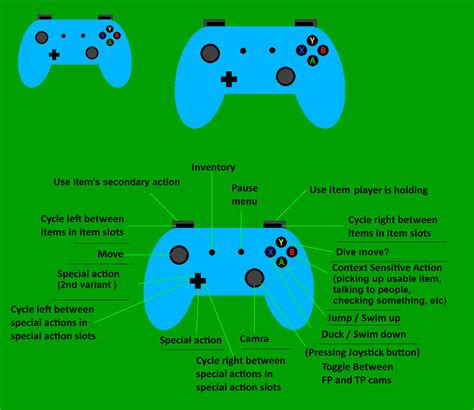
- Simple, Intuitive Control Schemes: Often requiring only a few buttons.
- Clear On-Screen Prompts: Guiding players through actions.
- Good Accessibility Options: Such as remappable controls, text size adjustments, or colorblind modes, though less common in this specific niche.
Practical Tips for Selecting Your Next Cozy Co-op Gem
Beyond the criteria, here are actionable steps to ensure your chosen game lives up to its low-stress promise.
Read Reviews (Carefully) and Watch Gameplay
Don’t just look at the overall score. Seek out reviews that specifically mention the local co-op experience, how it handles different skill levels, and any potential frustrations. Pay close attention to comments about difficulty spikes, competitive elements, or steep learning curves. Crucially, watch gameplay videos on platforms like YouTube. A few minutes of actual gameplay footage will reveal more about the pacing, controls, and overall atmosphere than any written description.

Look for “Assist Modes” or “Family Settings”
Some developers understand the need for variable difficulty within a family setting. Games that offer “assist modes,” invincibility options, or specific “child-friendly” settings are strong indicators that they’ve considered the diverse skill levels in a family group. These modes often simplify mechanics, reduce threats, or provide additional guidance.
Consider Session Length and Commitment
For truly low-stress gaming, especially with younger children, games that allow for shorter, self-contained play sessions are often ideal. You can pick up and put down the game without feeling like you’ve abandoned a critical mission or lost significant progress. While longer, story-driven games can be wonderful, ensure they have natural breakpoints or good save systems.
![Happy happy happy (Lyrics) [TikTok Song] - YouTube](/images/aHR0cHM6Ly90czQubW0uYmluZy5uZXQvdGg/aWQ9T0lQLmV3cmd5cU9pQ1Ztd1V0Sm1OSnJ3V2dBQUFBJnBpZD0xNS4x.webp)
Conclusion
Filtering for genuinely low-stress local co-op games for the whole family requires a discerning eye, but the effort is well worth it. By prioritizing non-competitive mechanics, forgiving gameplay, simple controls, and positive themes, you can transform game night into a consistent source of shared joy and relaxation. Take your time, do your research, and get ready to create some wonderful, stress-free gaming memories together.