How to ensure online gaming safety & privacy for young players?
Navigating the Digital Playground: A Parent’s Guide to Online Gaming Safety
Online gaming has become a ubiquitous part of childhood, offering entertainment, social connection, and skill development. However, with its increasing popularity come inherent risks to young players’ safety and privacy. For parents, understanding these potential pitfalls and implementing proactive measures is crucial to fostering a secure and positive online environment for their children.
This guide will equip you with the knowledge and tools needed to safeguard your young gamers, ensuring their adventures in virtual worlds are both fun and secure.
Understanding the Risks: What Parents Need to Know
Before implementing solutions, it’s vital to recognize the various threats children might encounter in online gaming. These can range from interactions with strangers to exposure to inappropriate content and financial risks.
- Stranger Danger: Many online games feature multiplayer interactions, opening avenues for children to communicate with unknown adults. Predators can use these platforms to groom or exploit young players.
- Cyberbullying and Harassment: The anonymity of the internet can embolden bullies, leading to verbal abuse, exclusion, or targeted harassment within game communities.
- Inappropriate Content: While age ratings exist, some games might contain mature themes, language, or violent imagery that is unsuitable for younger players. Additionally, in-game chat or user-generated content can expose children to explicit material.
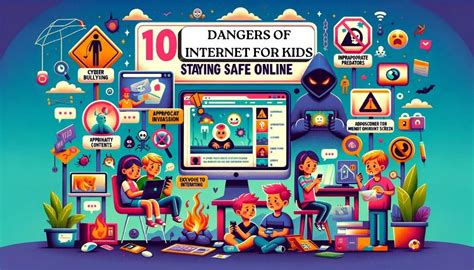
- Privacy Breaches: Children might unwittingly share personal information (real names, addresses, school, photos) in chats or profiles, making them vulnerable to identity theft or real-world targeting.
- In-Game Purchases and Scams: Many games offer microtransactions or loot boxes. Children, unaware of real-world costs, can incur significant debt. Phishing attempts and scamming are also prevalent.
- Gaming Addiction: Excessive gaming can lead to neglecting schoolwork, sleep, and social interactions, impacting physical and mental health.
Proactive Measures: Essential Parental Controls and Settings
One of the most effective ways to protect young players is to utilize the parental control features available on gaming consoles, PCs, mobile devices, and within individual game platforms. These tools allow you to manage various aspects of your child’s gaming experience.
Familiarize yourself with the settings on your child’s gaming devices and accounts. This often includes:
- Age Restrictions: Set limits on the types of games your child can access based on ESRB, PEGI, or other regional ratings.
- Communication Controls: Restrict or disable in-game chat, voice chat, and friend requests from unknown users. Many platforms allow you to limit communication to approved friends only.
- Spending Limits: Configure settings to require a password for any in-game purchases or set daily/monthly spending caps to prevent unauthorized transactions.
- Time Limits: Implement daily or weekly play limits to manage screen time effectively.
- Privacy Settings: Ensure your child’s profile is set to private, minimizing the personal information visible to others.

Fostering Open Communication and Digital Literacy
Parental controls are a valuable tool, but they are most effective when coupled with open communication and education. Talk to your children about their online activities and the importance of digital safety.
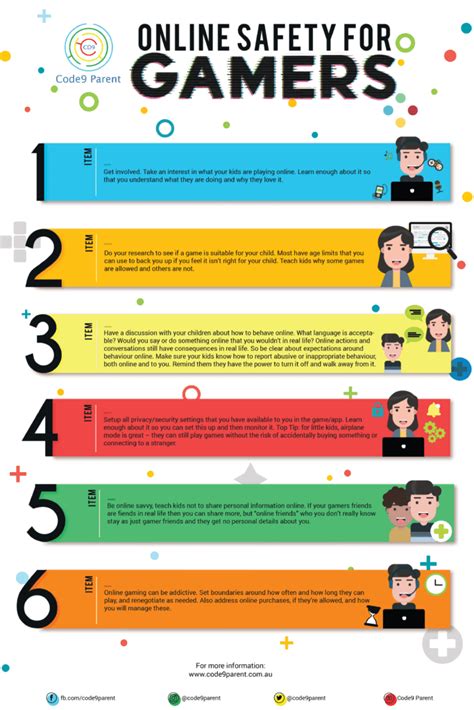
- Play Together: Show interest in the games they play. Playing alongside them can give you insights into game mechanics, community interactions, and potential risks. It also creates a natural opening for discussion.
- Educate on Online Conduct: Teach your child about appropriate behavior online, emphasizing respect, kindness, and not sharing personal information. Explain why it’s crucial to never meet someone in real life whom they only know from online gaming.
- Discuss Red Flags: Teach them to recognize and report suspicious behavior, inappropriate language, or requests for personal information. Ensure they know they can come to you without fear of judgment if something makes them uncomfortable.

Protecting Personal Privacy and Data
Protecting your child’s personal information is paramount. Online games can be data-rich environments, and vigilance is key.
- Strong Passwords: Insist on strong, unique passwords for all gaming accounts and teach your child not to share them with anyone, even friends. Consider using a password manager.
- Privacy Settings: Regularly review and adjust privacy settings within games and on gaming platforms. Opt for the strictest settings possible to limit data sharing.
- Limit Personal Information: Reinforce that children should never use their real name, age, location, school, or phone number in online usernames or profiles. Discourage sharing photos or videos of themselves.
- Be Wary of Links: Teach children to never click on suspicious links sent through in-game messages or emails, as these could be phishing attempts or lead to malware.

Setting Boundaries and Monitoring Screen Time
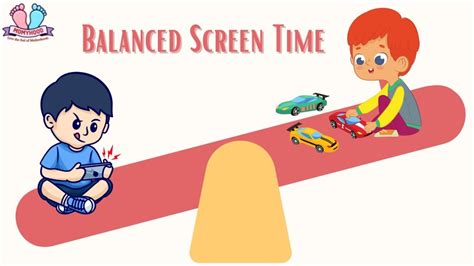
A healthy relationship with online gaming includes clear boundaries regarding time and content. It’s about balance, not outright prohibition.
- Establish Clear Rules: Work with your child to set clear rules about gaming duration, acceptable games, and when and where gaming is allowed (e.g., no gaming during homework, not in bedrooms after a certain hour).
- Encourage Other Activities: Ensure gaming is balanced with other activities like outdoor play, reading, creative hobbies, and family time.
- Lead by Example: Model healthy screen time habits yourself.
Empowering Safe Digital Explorers
Ensuring online gaming safety and privacy for young players is an ongoing process that requires a combination of technological controls, open communication, and continuous education. By staying informed, setting clear expectations, and fostering an environment of trust, parents can empower their children to navigate the exciting world of online gaming responsibly and securely. Remember, your active involvement is the most powerful tool in protecting your child in the digital age.